
Electric vehicle transformers drive the future of green transport
2024-07-20
Accelerating Demand for Electric Vehicle Infrastructure
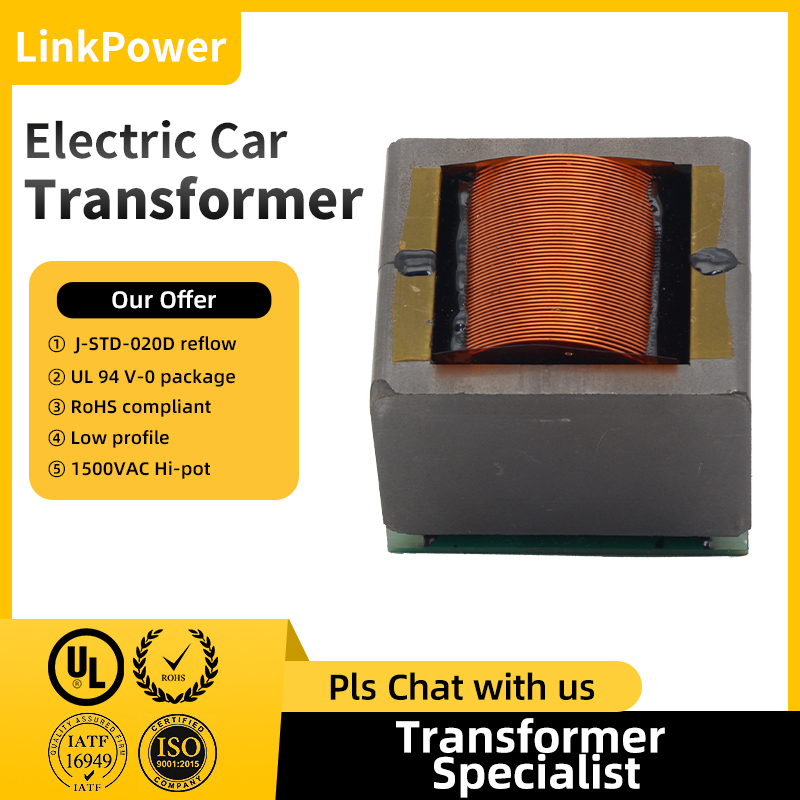
As the electric vehicle (EV) market continues to grow, the importance of efficient and reliable Electric vehicle transformers is increasing. These transformers are critical for managing the distribution of power to EV charging stations, ensuring that vehicles are charged quickly and safely. With the global push towards sustainable mobility, advances in EV transformer technology are critical to support the growing infrastructure needs.
Technology Innovation and Development
Leading manufacturers are innovating EV transformer technology to improve performance and efficiency. Recent developments include the use of advanced materials such as silicon carbide (SiC) and gallium nitride (GaN) to improve power conversion efficiency and reduce energy losses. Enhanced thermal management systems are being implemented to ensure efficient operation of transformers under high load conditions. Smart transformers equipped with digital monitoring features are also being introduced for real-time data analysis and predictive maintenance to optimise the performance and longevity of the charging infrastructure.
Market Trends and Growth Drivers
The electric vehicle transformer market is experiencing strong growth driven by rapid expansion of electric vehicle infrastructure and supportive government policies. Significant investments are being made in regions such as Europe, North America, and Asia Pacific to develop extensive electric vehicle charging networks. Increasing popularity of electric buses, trucks, and other commercial vehicles is further fuelling the market. Moreover, integration of renewable energy sources with electric vehicle charging stations is a major trend, thereby enhancing the sustainability of the electric vehicle ecosystem.
Key Applications and Industry Impact
Electric vehicle transformers are essential in various applications including
Public charging stations: Ensuring efficient power distribution for multiple charging points in public areas.
Residential Charging Units: Providing safe and reliable power conversion for home EV chargers.
Fleet Charging Hubs: Meeting the charging needs of electric buses and commercial vehicles in garages.
Renewable Energy Integration: Facilitating the use of solar and wind energy in EV charging stations.
Motorway Charging Networks: Enabling fast charging on major motorways to support long distance journeys.
Residential Charging Units: Providing safe and reliable power conversion for home EV chargers.
Fleet Charging Hubs: Meeting the charging needs of electric buses and commercial vehicles in garages.
Renewable Energy Integration: Facilitating the use of solar and wind energy in EV charging stations.
Motorway Charging Networks: Enabling fast charging on major motorways to support long distance journeys.
Future Outlook
Looking ahead, the electric vehicle transformer market is expected to witness continuous growth and innovation. Future advancements are expected to focus on further improving efficiency, reducing size, and enhancing thermal management capabilities. Integration of artificial intelligence and machine learning for real-time monitoring and optimisation will open up new possibilities for maintaining and managing electric vehicle charging infrastructure. As EV adoption continues to grow, EV transformers will play a crucial role in ensuring efficiency, reliability and sustainability across the charging ecosystem.
LAN transformers that revolutionize network connectivity
RJ45 Connectors Pave the Way for High-Speed Networking
Related Article

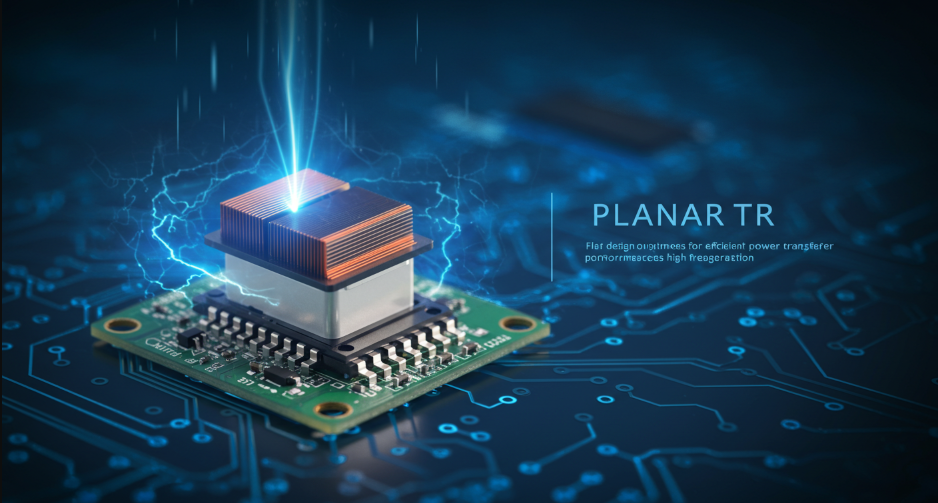
In the design field of high - frequency transformers and inductors, the introduction of an air gap in the magnetic core is a crucial yet delicate technique that requires careful trade - offs. The presence of an air gap not only significantly impacts magnetic properties but also has close relations with thermal stability and efficiency.
Air - Gap Design in High - Frequency Transformers: Trade - offs among Magnetic, Thermal, and Efficiency Aspects