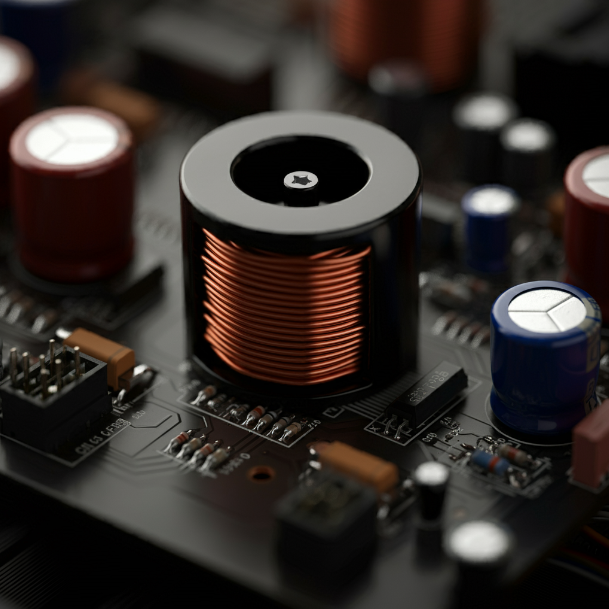
LAN Transformers Enhancing Network Performance in the Digital Age
2024-07-22

Demand for robust networking solutions is growing by the day
As the digital landscape continues to evolve, the demand for reliable, high-performance networking solutions is at an all-time high. Local Area Network (LAN) transformers are key components that ensure efficient data transfer and network performance. With the rise of cloud computing, IoT devices and high-speed Internet, the demand for advanced LAN transformers is surging.
Technological Advancements and Innovations
Manufacturers are constantly innovating to meet the growing demands of modern networking systems. Recent advances in LAN transformer technology include improved signal integrity and reduced electromagnetic interference (EMI). The development of high-bandwidth transformers and low-loss materials has greatly improved performance, resulting in faster data rates and more reliable connections. In addition, the trend towards miniaturisation has led to the creation of compact LAN transformers that can be easily integrated into space-constrained environments such as data centres and enterprise networks.
Market Trends and Growth Drivers
The LAN transformer market is experiencing significant growth, driven by the growing popularity of high-speed Ethernet and the proliferation of IoT devices. The key market drivers include the demand for higher bandwidth networks such as 10G, 40G, and 100G Ethernet and the expansion of cloud services. North America, Europe, and Asia Pacific are leading this market, mainly due to heavy investments in telecom infrastructure and smart city initiatives. The rise in remote working and demand for reliable digital communication tools is also fuelling the market growth.
Key Applications and Industry Impact
LAN transformers are critical in various applications, including
Enterprise networking: Providing reliable connectivity for office LANs, servers, and network devices.
Data Centres: Ensuring high-speed data transfer and network scalability for data storage and processing facilities.
Telecommunications: Supporting the backbone of Internet and telephony services with robust connectivity solutions.
Consumer Electronics: Provides Internet access for devices such as gaming consoles, smart TVs and home routers.
Industrial Automation: Facilitates communications between machines and control systems in industrial environments.
Data Centres: Ensuring high-speed data transfer and network scalability for data storage and processing facilities.
Telecommunications: Supporting the backbone of Internet and telephony services with robust connectivity solutions.
Consumer Electronics: Provides Internet access for devices such as gaming consoles, smart TVs and home routers.
Industrial Automation: Facilitates communications between machines and control systems in industrial environments.
Future Outlook
Looking ahead, the LAN transformer market will continue to innovate and grow. Future advancements are expected to focus on increasing speed capabilities, improving durability, and integrating smart features for real-time monitoring and diagnostics. As the demand for high-speed, reliable network connectivity continues to grow, LAN transformers will remain an important part of the infrastructure to support digital transformation and the Internet of Things (IoT). Continuing developments in network technology will drive the need for more advanced and efficient LAN transformers to ensure that networks are able to meet the demands of the future.
Planar Transformers Revolutionize Power Conversion
Electric vehicle transformers pave the way for sustainable transport
Related Article
In the design field of high - frequency transformers and inductors, the introduction of an air gap in the magnetic core is a crucial yet delicate technique that requires careful trade - offs. The presence of an air gap not only significantly impacts magnetic properties but also has close relations with thermal stability and efficiency.
Air - Gap Design in High - Frequency Transformers: Trade - offs among Magnetic, Thermal, and Efficiency Aspects