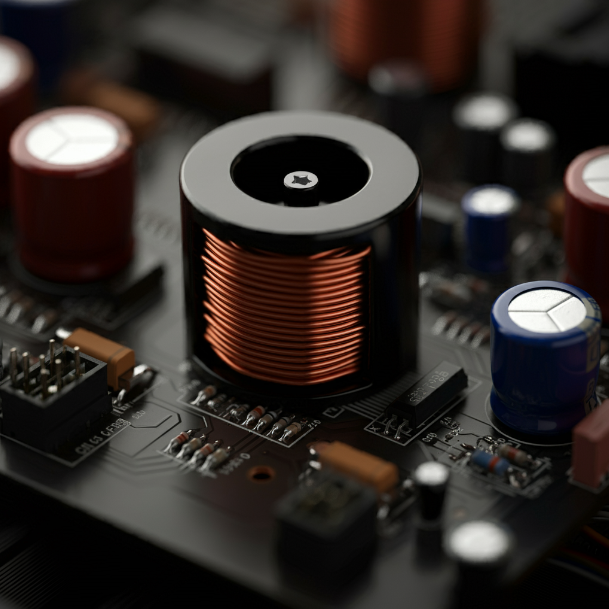
Innovations in CRT flyback transformer technology: a nostalgic and essential component for modern applications
2024-07-18

Revival of a niche market
A surprising trend in the electronics industry is the resurgence of interest in CRT flyback transformers. This comeback is largely driven by retro electronics enthusiasts, the professional retro gaming community, and certain industrial applications where the durability and performance of CRTs in harsh environments is still superior to modern displays.
Technological Advances
Recent innovations in the design and manufacture of flyback transformers have greatly improved their efficiency and reliability. Modern flyback transformers have been developed using advanced materials and design techniques that reduce energy losses, improve heat dissipation and extend service life. These improvements make flyback transformers more suitable for long-term use in refurbished and newly manufactured CRT equipment.
Main Applications
Medical imaging equipment: Flyback transformer-driven CRT monitors are still common in some medical imaging equipment. They provide clear, high-contrast images at different angles, which is critical for some diagnostic tools.
Aerospace and Military: In aerospace and military applications, CRT monitors are valued for their ruggedness and reliability. The flyback transformers in these devices can withstand extreme conditions to ensure consistent performance.
Arcade and Retro Gaming: The retro gaming community is a major driver of the demand for CRT flyback transformers. Enthusiasts and collectors prefer the authentic experience of CRT displays, prompting manufacturers to produce high-quality flyback transformers that meet modern standards while maintaining a retro feel.
Aerospace and Military: In aerospace and military applications, CRT monitors are valued for their ruggedness and reliability. The flyback transformers in these devices can withstand extreme conditions to ensure consistent performance.
Arcade and Retro Gaming: The retro gaming community is a major driver of the demand for CRT flyback transformers. Enthusiasts and collectors prefer the authentic experience of CRT displays, prompting manufacturers to produce high-quality flyback transformers that meet modern standards while maintaining a retro feel.
Market Dynamics
The CRT flyback transformer market is niche but stable. Manufacturers focus on producing small batches of high-quality transformers, often customised to meet specific customer needs. This focus on quality over quantity has allowed companies to maintain profitability while serving a dedicated customer base.
Environmental Factors
Refurbishment and recycling of CRT flyback transformers is becoming increasingly important as awareness of e-waste and its impact on the environment grows. Companies specialising in e-waste management are developing processes for the efficient recycling of components to reduce the environmental impact of discarded CRT equipment.
Future Outlook
Although CRT technology is unlikely to become mainstream, flyback transformers remain an important component for specialised applications. Continued innovation and specialised market demand suggest that CRT flyback transformers will have a place in the electronics industry for the foreseeable future.
In short, CRT flyback transformers are an example of how traditional technology can be adapted and developed in the modern world. Through innovation and a focus on niche markets, this enduring component continues to play an important role in a variety of specialised applications, proving that sometimes the old way is still the best way.
xDSL Transformers Play Key Role in Remote Communications
Inductor technology innovation to promote renewable energy technology progress
Related Article
In the design field of high - frequency transformers and inductors, the introduction of an air gap in the magnetic core is a crucial yet delicate technique that requires careful trade - offs. The presence of an air gap not only significantly impacts magnetic properties but also has close relations with thermal stability and efficiency.
Air - Gap Design in High - Frequency Transformers: Trade - offs among Magnetic, Thermal, and Efficiency Aspects