
Electric vehicle transformers drive the future of sustainable mobility
2024-07-23
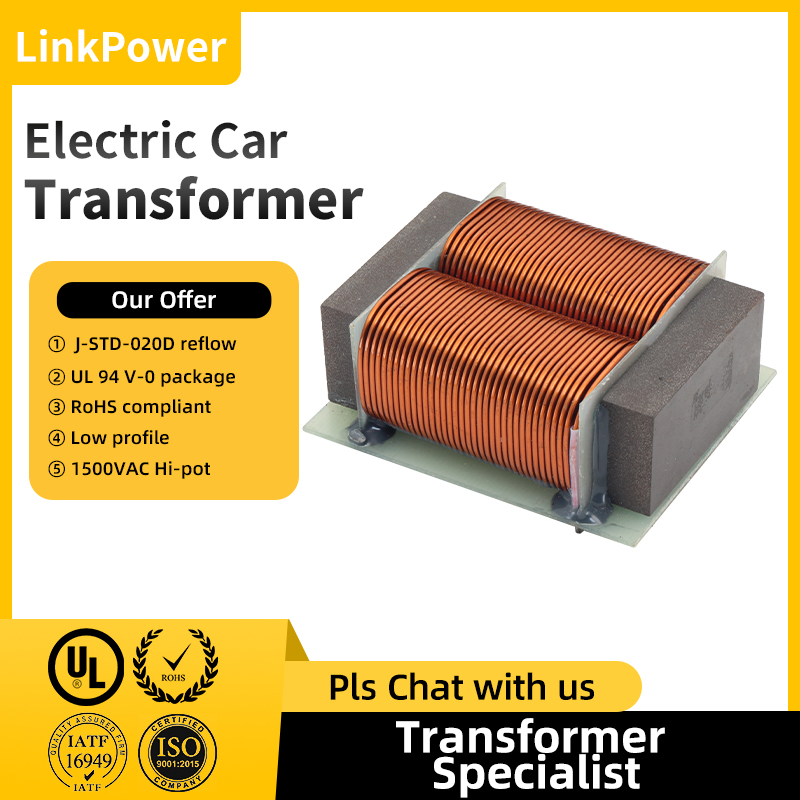
Surging Demand for Electric Vehicles
The rapid growth of the electric vehicle (EV) market has led to an increased demand for efficient and reliable EV transformers. These transformers play a vital role in converting the electrical energy in the grid to the appropriate voltage level required for charging EV batteries. With sustainability a top priority for automakers and consumers alike, the development and deployment of advanced EV transformers has become more important than ever.
Technological Innovations and Developments
Recent advances in EV transformer technology have focused on increasing efficiency, reducing size and improving thermal management. Innovations include the use of high-frequency transformers and advanced materials that can handle higher power densities while maintaining high efficiency. In addition, the integration of smart features for real-time monitoring and diagnostics is becoming more prevalent, resulting in improved performance and reliability. These technological improvements are critical to support the growing demand for power from fast charging stations and high-capacity batteries used in modern electric vehicles.
Market Trends and Growth Drivers
The electric vehicle transformer market is experiencing significant growth, driven by the expanding adoption of electric vehicles and the development of charging infrastructure. The key market drivers include government incentives for the adoption of electric vehicles, increasing environmental awareness, and rising cost of fossil fuels. Regions such as North America, Europe, and Asia-Pacific are leading the market, supported by significant investments in electric vehicle infrastructure and technological innovations. The drive to reduce carbon emissions and achieve energy independence is also a major reason for the market expansion.
Key Applications and Industry Impact
Electric vehicle transformers are essential in various applications including
EV charging stations: Providing efficient power conversion for public and residential charging infrastructure.
On-board chargers: Converts AC power from charging stations to DC power for battery storage.
Renewable Energy Integration: Facilitates the use of solar and wind energy to charge electric vehicles.
Grid Stabilisation: Supports grid stabilisation and energy management through bi-directional charging and Vehicle-to-Grid (V2G) technology.
On-board chargers: Converts AC power from charging stations to DC power for battery storage.
Renewable Energy Integration: Facilitates the use of solar and wind energy to charge electric vehicles.
Grid Stabilisation: Supports grid stabilisation and energy management through bi-directional charging and Vehicle-to-Grid (V2G) technology.
Future Outlook
Looking ahead, the electric vehicle transformer market is expected to witness continuous innovation and growth. Future advancements are expected to focus on increasing power density, improving energy efficiency, and integrating more advanced monitoring and control features. As the demand for electric vehicles continues to grow, electric vehicle transformers will play a key role in the development of sustainable mobility solutions. The ability of transformers to efficiently convert and manage power is critical to the widespread adoption and success of electric vehicles, making them indispensable in the transition to a greener future.
LAN transformers pave the way for improved network performance
PoE Transformers Enhance Power and Data Integration in Networked Systems
Related Article

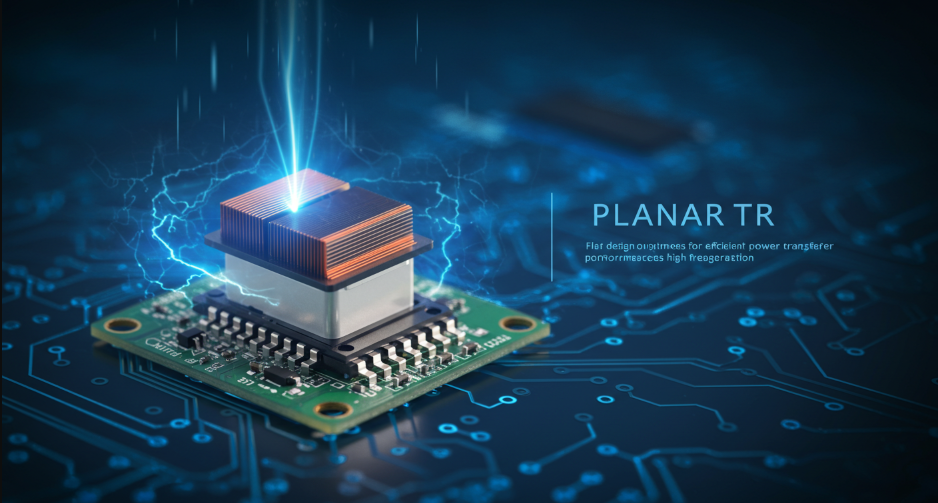
In the design field of high - frequency transformers and inductors, the introduction of an air gap in the magnetic core is a crucial yet delicate technique that requires careful trade - offs. The presence of an air gap not only significantly impacts magnetic properties but also has close relations with thermal stability and efficiency.
Air - Gap Design in High - Frequency Transformers: Trade - offs among Magnetic, Thermal, and Efficiency Aspects