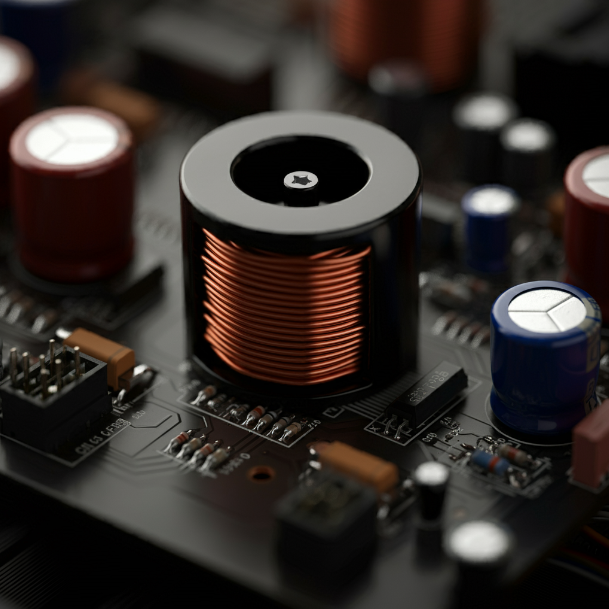
Cutting-edge inductor technology drives power electronics innovation
2024-07-29
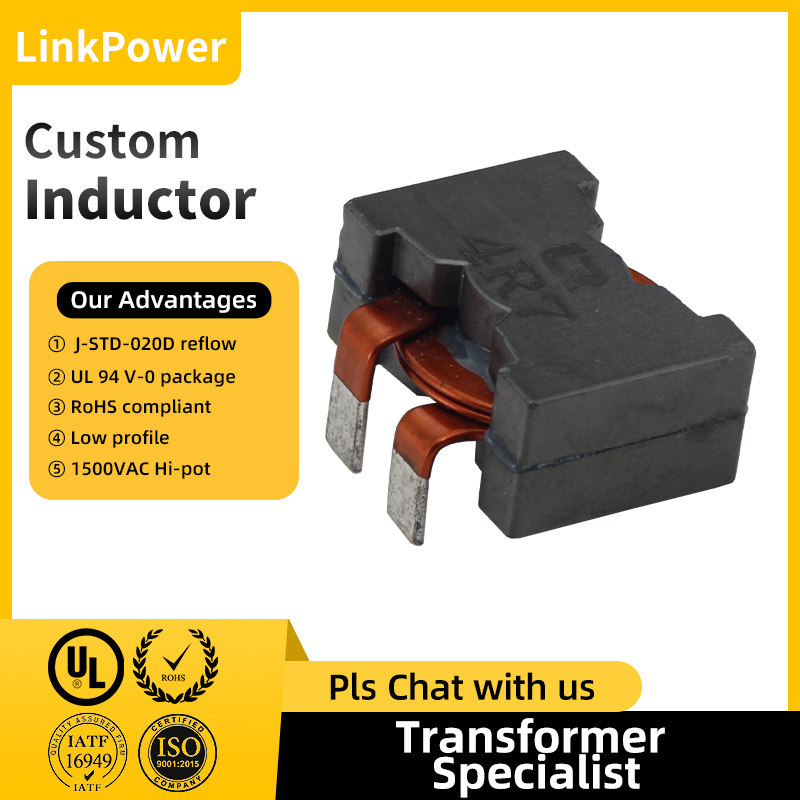
The inductor industry is growing rapidly and innovative technologies continue to improve the performance of power electronics. Critical for energy storage and filtering in electronic circuits, inductors are evolving to meet the demands of modern technology, from consumer electronics to industrial machinery.
Recent developments have focussed on improving the efficiency and size of inductors.New high-frequency materials and optimised core designs have led to more compact inductors with higher performance. These advances are critical for applications that require precise signal filtering and energy management, such as power supplies for high-speed processors and communications equipment.
A notable trend is the integration of inductors with smart technologies. Modern inductors are now designed with embedded sensors and control systems that provide real-time monitoring and adaptive performance tuning. This integration improves the reliability and efficiency of electronic systems, especially in complex and changing environments.
Another important development is the advancement of inductors for renewable energy systems. New designs are being developed to handle higher power levels and withstand harsh conditions to support the growth of solar and wind technologies.
As electronic devices continue to evolve and expand, continued innovation in inductor technology will play a critical role in driving efficiency and performance across a wide range of applications.
Common Mode Choke Advances Enhance Noise Filtering and EMC Performance
PoE Transformers Evolve to Meet Growing Demand for High-Power Networking Solutions
Related Article
In the design field of high - frequency transformers and inductors, the introduction of an air gap in the magnetic core is a crucial yet delicate technique that requires careful trade - offs. The presence of an air gap not only significantly impacts magnetic properties but also has close relations with thermal stability and efficiency.
Air - Gap Design in High - Frequency Transformers: Trade - offs among Magnetic, Thermal, and Efficiency Aspects