
Power Transformers: Shaping the Future of Efficient Electronics
2024-08-19

The electronics industry is at a pivotal moment, with Power Transformers playing an increasingly crucial role in advancing technology. As the demand for higher efficiency, miniaturization, and smart energy management continues to grow, Power Transformers are becoming essential components in a wide range of applications, from consumer electronics to industrial automation.
Industry Trends Transforming Power Transformers
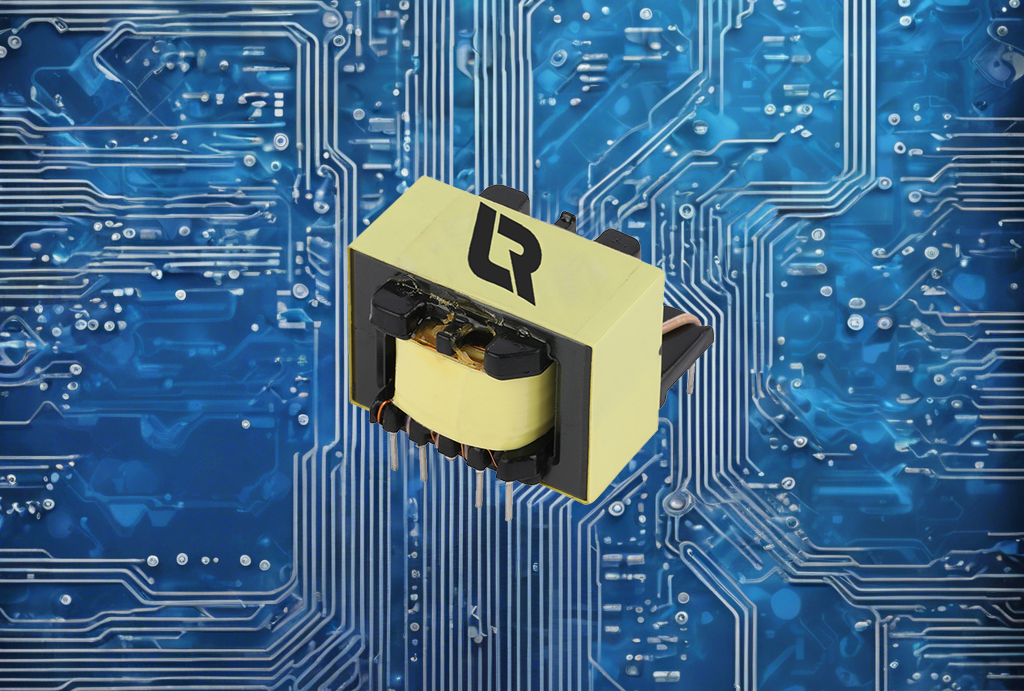
Recent years have seen significant shifts in the Power Transformer market, driven by several key trends:
-
Miniaturization and High Power Density: As electronic devices become more compact, there is a growing need for smaller, more efficient Power Transformers that can deliver high power density. This trend is leading to innovations in transformer design and materials, enabling these components to perform efficiently in even the most space-constrained environments.
-
Energy Efficiency and Sustainability: With the global push towards energy conservation and sustainability, Power Transformers are being designed to minimize energy loss and maximize efficiency. Advanced technologies, such as soft switching and new magnetic materials, are at the forefront of these developments, ensuring that transformers meet increasingly stringent energy standards.
-
Expansion of Application Areas: The rise of electric vehicles (EVs), renewable energy sources, and the Internet of Things (IoT) has expanded the application areas for Power Transformers. These sectors require transformers that are not only efficient but also capable of operating reliably in diverse and often challenging environments.
-
Smart Technology Integration: The trend towards smart power management is also influencing the Power Transformer industry. Transformers are being integrated with sensors and communication modules, enabling real-time monitoring and remote control, which enhances the overall efficiency and reliability of power systems.
-
Global Market Growth: The global demand for Power Transformers is on the rise, particularly in emerging markets like China and India. This growth is fueled by the increasing adoption of advanced electronics in various industries, necessitating the use of reliable and efficient transformers.
Link-Power: Leading the Charge in Power Transformer Innovation
Amid these evolving industry trends, Link-Power stands out as a leader in transformer technology, dedicated to developing solutions that meet the demands of modern electronics. Our Power Transformers are designed with the latest advancements in materials and engineering, ensuring they deliver high performance and reliability across all applications.
Choose LP Power Transformer for Your Electronic Needs—our products are tailored to address the specific challenges of today’s electronic devices, from compact consumer gadgets to robust industrial systems. By focusing on efficiency, durability, and innovative design, we help our customers stay ahead of the competition.

Announcing Our New Centre for Innovation
As part of our commitment to advancing transformer technology, Link-Power is proud to announce the opening of our New Centre for research and development. This cutting-edge facility will focus on creating the next generation of Power Transformers, incorporating the latest trends and technologies to meet the evolving needs of the global market.
For those interested in learning more about how our transformers can enhance their electronic systems, we invite you to Send Inquiry today. Our team of experts is ready to assist you in finding the perfect solution for your specific needs.
Exploring the Role of Common Mode Chokes in Modern Electronics
Global PoE Transformer Market Continues to Grow
Related Article
In the design field of high - frequency transformers and inductors, the introduction of an air gap in the magnetic core is a crucial yet delicate technique that requires careful trade - offs. The presence of an air gap not only significantly impacts magnetic properties but also has close relations with thermal stability and efficiency.
Air - Gap Design in High - Frequency Transformers: Trade - offs among Magnetic, Thermal, and Efficiency Aspects