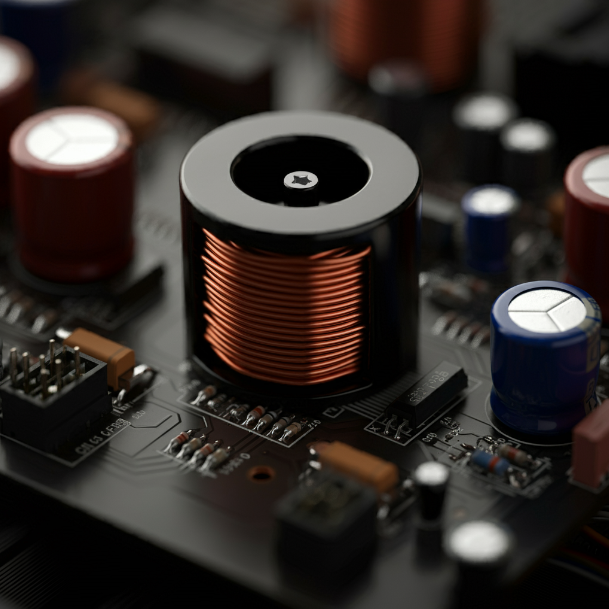
AC-DC Transformers Usher in a New Era in Power Conversion Technology
2024-06-20
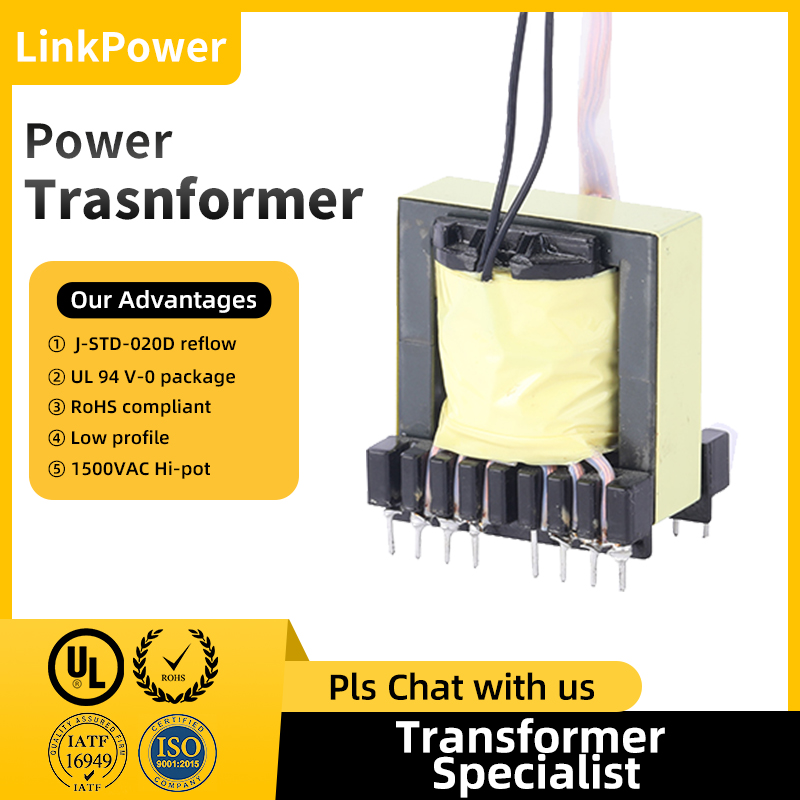
Technological Advances in AC and DC Transformers
Recent developments in AC and DC transformer technology have introduced several key innovations that have improved transformer performance:
Wide Bandgap Semiconductors: The integration of materials such as Silicon Carbide (SiC) and Gallium Nitride (GaN) has revolutionised AC-DC transformers. These materials enable higher efficiencies and the ability to operate at higher temperatures, resulting in more compact and efficient power conversion systems.
Digital control systems: Advanced digital control systems are now being used to optimise the performance of AC and DC transformers. These systems provide real-time monitoring and adjustment, reducing energy losses while improving efficiency and reliability.
Core Improvements: Innovations in core materials and design have significantly reduced core losses and improved thermal management. These advances allow transformers to be smaller and lighter, yet still provide high power output.
Energy storage integration: Modern AC and DC transformers are increasingly incorporating energy storage solutions, such as supercapacitors and advanced battery technologies, to provide smoother power delivery and enhance system stability.
Core Improvements: Innovations in core materials and design have significantly reduced core losses and improved thermal management. These advances allow transformers to be smaller and lighter, yet still provide high power output.
Energy storage integration: Modern AC and DC transformers are increasingly incorporating energy storage solutions, such as supercapacitors and advanced battery technologies, to provide smoother power delivery and enhance system stability.
Impact on Key Industries
The increased functionality of AC and DC transformers is expected to drive significant improvements across a number of industries:
Renewable Energy: As the world shifts to renewable energy sources, efficient power conversion is critical. Advanced AC-DC transformers can more efficiently convert solar and wind energy into usable power, facilitating the integration of these energy sources into the grid.
Telecommunications: The expansion of 5G networks and data centres requires reliable and efficient power solutions. AC-DC transformers ensure stable power delivery, reducing downtime and operating costs for telecom infrastructure.
Electric Vehicles: In the automotive sector, AC and DC transformers play a crucial role in electric vehicle charging stations and on-board power management systems. They are more efficient and compact, helping to speed up charging times and extend vehicle range.
Adoption and industry response
Leading companies across a wide range of industries are rapidly adopting the latest AC-DC transformer technology. renewable energy companies such as NextEra Energy and Siemens Gamesa are integrating these transformers into their wind and solar installations. Telecoms giants such as Ericsson and Huawei are integrating advanced AC-DC transformers into their network infrastructures to improve reliability and efficiency. In the automotive sector, manufacturers such as Tesla and General Motors are utilising these transformers to improve the performance of electric vehicles.
Future Outlook
The future of AC and DC transformer technology looks promising, with continued research and development expected to result in more efficient, compact and reliable solutions. As industries continue to require better power conversion technologies, advances in AC-DC transformers will play a vital role in meeting these needs.
In summary, the latest AC-DC transformers represent a major leap forward in power conversion technology. With higher efficiency, reliability and compact design, these transformers are bound to revolutionise a wide range of industries and drive advances in renewable energy, telecoms and electric vehicles. As these advanced transformers become more widely used, they will pave the way for a more efficient and sustainable future in power management.
Innovation and Demand for 480V to 240V Step-Down Transformers Surging
Compact Design Transformers Will Revolutionise the Electronics Industry
Related Article
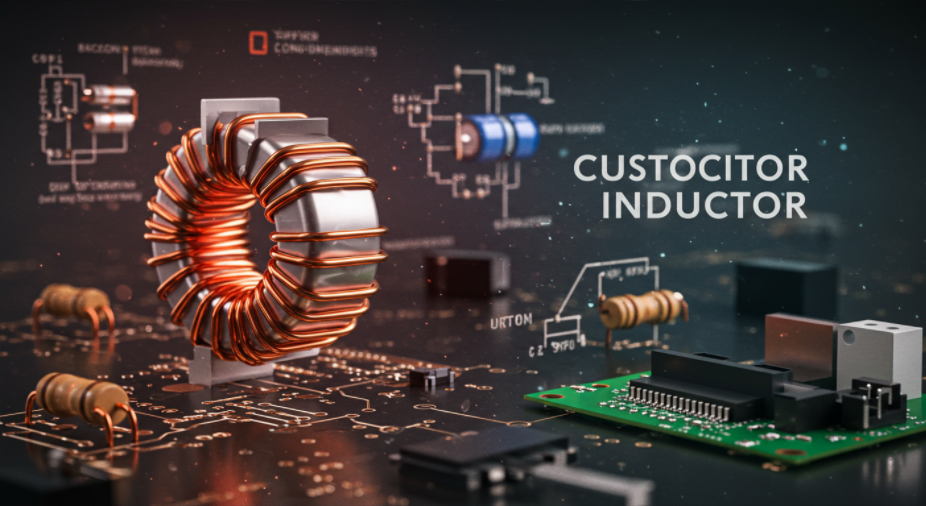
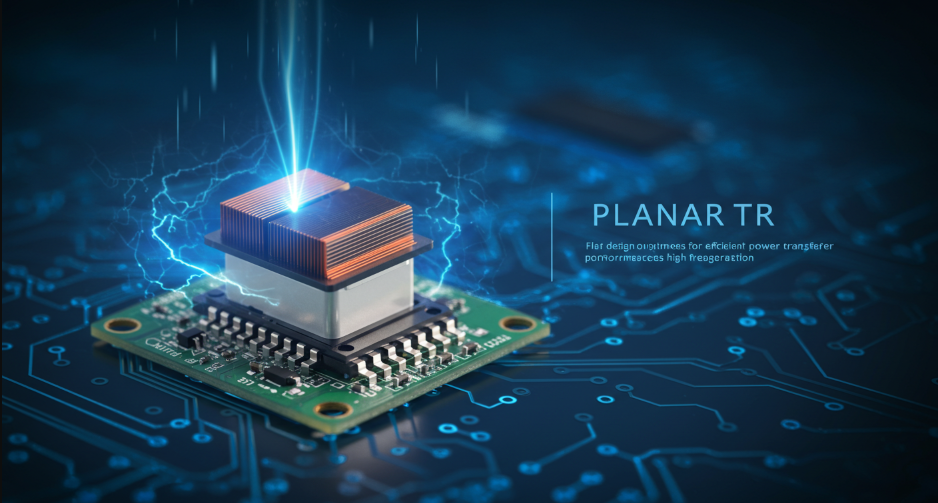
In the design field of high - frequency transformers and inductors, the introduction of an air gap in the magnetic core is a crucial yet delicate technique that requires careful trade - offs. The presence of an air gap not only significantly impacts magnetic properties but also has close relations with thermal stability and efficiency.
Air - Gap Design in High - Frequency Transformers: Trade - offs among Magnetic, Thermal, and Efficiency Aspects