
City Car Transformer: Revolutionising Urban Mobility with Innovative Technology
2024-06-20
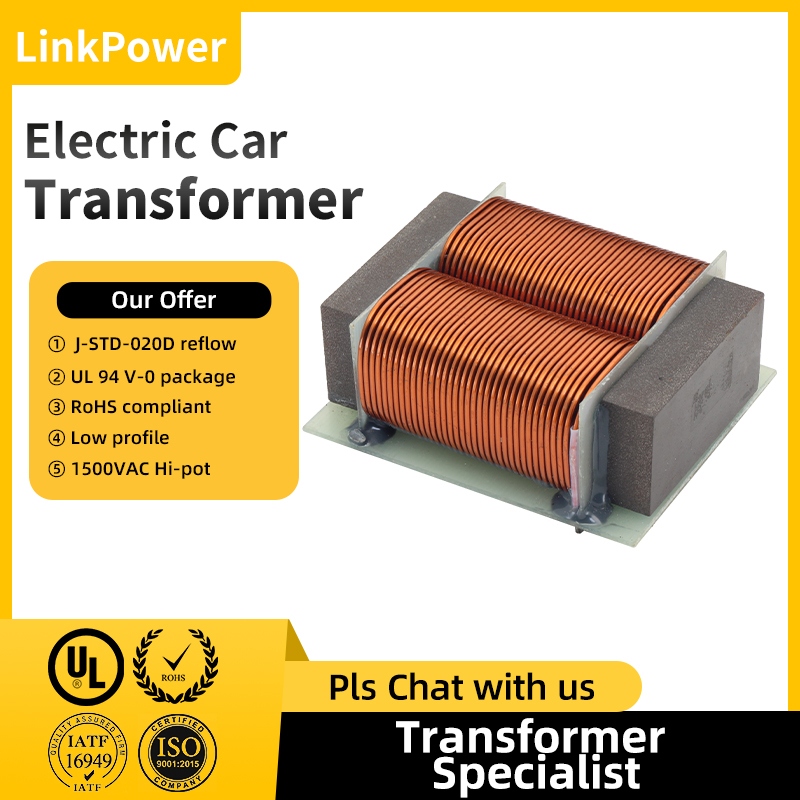
Innovative engineering
City car transformers are at the forefront of automotive innovation. Compact in design and highly manoeuvrable, these vehicles can be adapted to different driving conditions and purposes. For example, when required, the City Car Transformer can be unfolded to provide more seating or cargo space, or contracted to fit into tight parking spaces.
Key features
Adaptive design: These vehicles are extremely versatile as they can change shape or configuration at the push of a button. Whether you're hauling cargo or commuting to work, city car transformers can be adapted to suit your needs.
Environmental Impact: Most city car transformers are electric, which can significantly reduce emissions and help cities meet their environmental goals. Their energy-efficient design often features solar panels and regenerative braking systems to maximise sustainability.
Smart technology: Equipped with advanced artificial intelligence and IoT connectivity, city car transformers can communicate with city infrastructure to optimise routes and provide real-time data to drivers. This smart integration improves safety, efficiency, and overall driving experience.
Market Growth
The urban auto transformer market is expected to witness significant growth in the coming years. According to industry analysts, the demand for compact and adaptable urban vehicles is on the rise as major cities across the globe implement stricter emission regulations and seek innovative solutions to traffic congestion. Key players in the automotive industry are investing heavily in research and development to introduce more advanced urban vehicle transformers to the market.
Leading Manufacturers
Several leading automotive manufacturers have already launched prototypes and early models of city car transformers. Companies such as Toyota, Honda and Tesla are at the forefront, showcasing vehicles that blend cutting-edge technology with practical urban mobility solutions. Startups and tech companies are also entering the market and continue to push the limits of urban car transformers.
Challenges and opportunities
While the potential for urban vehicle transformers is huge, a number of challenges remain. Ensuring the durability and safety of the transformer is crucial. In addition, widespread adoption will require significant investment in charging infrastructure and supportive urban policies.
However, these challenges also present opportunities for innovation. Advances in materials science and engineering are leading to stronger, more reliable conversion mechanisms. Governments and private companies are working together to expand charging networks and incentivise EV adoption.
Future Outlook
The future of urban mobility is promising with the advent of urban vehicle transformers. As technology continues to advance, these vehicles are expected to become more affordable and accessible, leading to wider adoption. Over the next decade, urban vehicle transformers will become a common mode of transport in urban areas, providing a flexible and sustainable solution to the challenges of modern urban life.
Conclusion
Urban car transformers represent a bold step forward for urban mobility. By combining adaptability, sustainability and smart technologies, they offer a glimpse into a future where urban mobility is more efficient, more environmentally friendly and more responsive to the needs of city dwellers. As the market develops and technology advances, urban vehicle transformers will play a pivotal role in the next generation of urban mobility solutions.
Reliable Automotive Transformers Revolutionise Automotive Power Management
Innovations in CRT flyback transformer technology: a nostalgic and essential component for modern applications
Related Article
In the design field of high - frequency transformers and inductors, the introduction of an air gap in the magnetic core is a crucial yet delicate technique that requires careful trade - offs. The presence of an air gap not only significantly impacts magnetic properties but also has close relations with thermal stability and efficiency.
Air - Gap Design in High - Frequency Transformers: Trade - offs among Magnetic, Thermal, and Efficiency Aspects