What You Need to Know When Choosing Coil Materials for High-Frequency Transformer Design
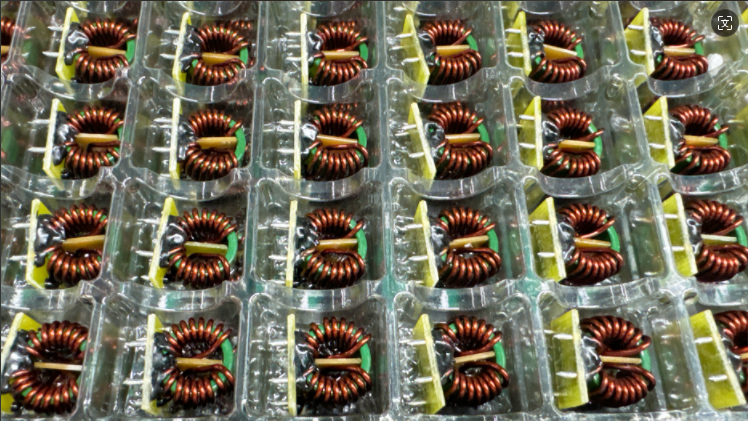
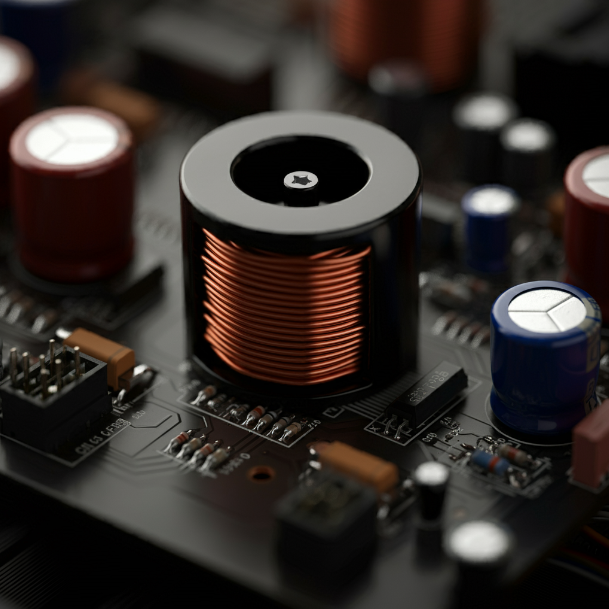
Selecting the right coil materials is critical when designing high-frequency transformers. The choice of materials directly impacts the transformer's efficiency, performance, and durability. Here’s what you should consider:
1. Material Conductivity
The conductivity of the coil material is paramount. Copper is commonly used due to its excellent electrical conductivity. However, in certain applications, silver or aluminum might be preferred depending on specific requirements like cost or weight.
2. Thermal Performance
High-frequency transformers often operate at elevated temperatures. It’s essential to choose materials with good thermal stability to ensure consistent performance and to avoid potential overheating. Copper has excellent thermal conductivity, making it a reliable choice for many designs.

3. Magnetic Properties
The magnetic properties of the core material should complement the coil material to minimize energy losses. High-frequency applications typically require ferrite cores, which provide a good balance of magnetic permeability and electrical resistivity.
4. Mechanical Strength
The mechanical properties of the coil material must withstand the physical stresses during operation. The material should be durable and resistant to deformation under the high currents and temperatures experienced in high-frequency transformers.
5. Cost Considerations
While performance is key, cost is always a factor in material selection. Balancing performance with budget constraints is necessary. Copper, while excellent in performance, may be more expensive than alternatives like aluminum.
6. Environmental Impact
With increasing attention to environmental sustainability, choosing materials that have a lower environmental impact is becoming more important. Recyclable materials and those with lower energy consumption in production are preferable.

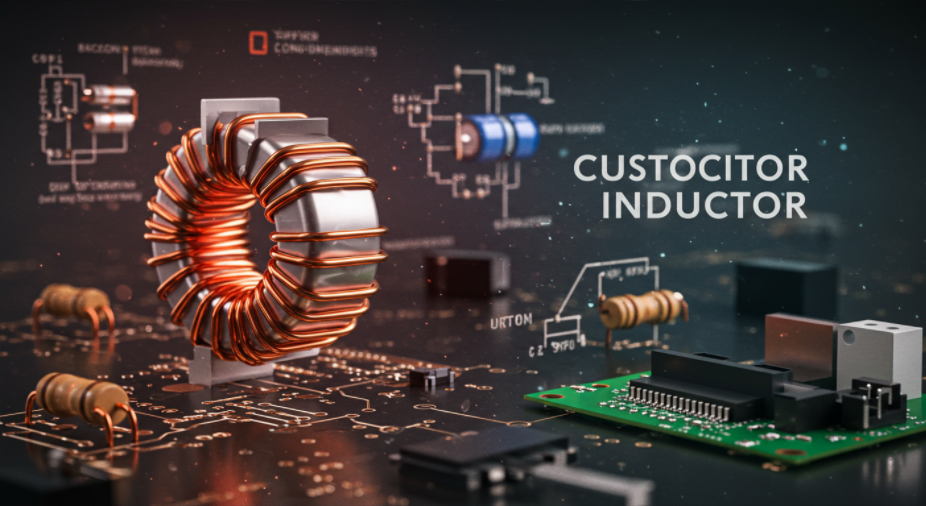
7. Custom Inductors: A Key Trend Driving Innovation
As the demand for specialized applications grows, custom inductors have emerged as a key trend driving innovation in high-frequency transformer design. Tailoring inductors to specific performance requirements can significantly enhance the efficiency and functionality of the transformer.
To support these advancements, a New Centre dedicated to research and development is often necessary. This allows manufacturers to stay at the forefront of technology and meet the evolving needs of the industry.
For more detailed information, including answers to common queries, please visit our FAQ section. By carefully considering these factors, you can ensure that your high-frequency transformer design is optimized for both performance and cost-effectiveness. Making informed choices in coil materials not only enhances the transformer's efficiency but also extends its lifespan, providing long-term benefits.
Growing demand for power transformers in modern electronics: key trends and innovations
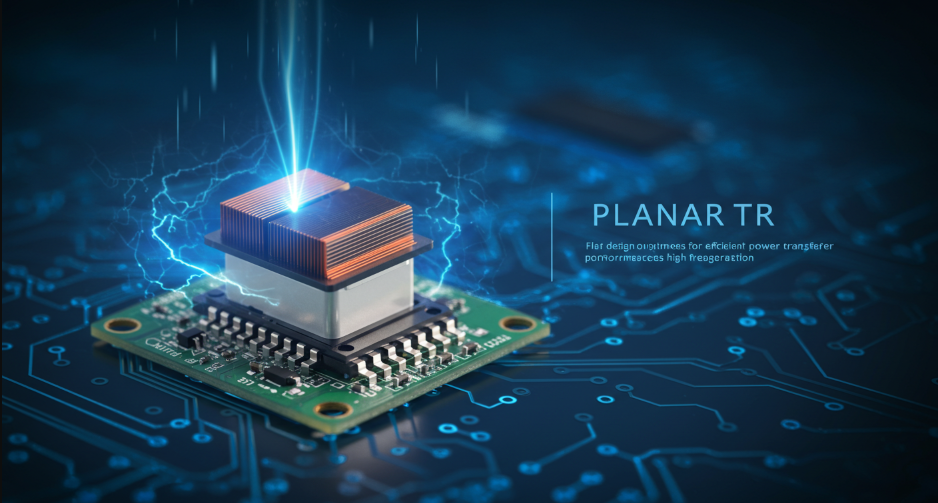
The Rising Dominance of Planar Transformers in Modern Power Solutions
Related Article