
Compact Design Transformers Will Revolutionise the Electronics Industry
2024-06-20

Key Innovations in Compact Transformer Design
Several technological advances have driven the development of compact transformers:
High-frequency operation: By operating at higher frequencies, these transformers can be greatly reduced in size while maintaining or even improving efficiency compared to conventional models. This is critical for applications where space is limited.
Advanced Core Materials: The use of advanced magnetic materials such as nanocrystalline and amorphous metals can reduce core size without sacrificing performance. These materials offer lower core losses and higher permeability.
Innovative Winding Technologies: New winding technologies, including planar and multilayer windings, reduce the physical size of the transformer while enhancing its thermal management and electrical performance.
Thermal management solutions: Enhanced cooling techniques and materials ensure that these compact transformers can withstand higher power densities without overheating, thus extending their service life.
Impact on Industries
The introduction of compact design transformers will revolutionise a number of industries by facilitating the development of smaller, more efficient electronic devices:
Consumer Electronics: In consumer electronics, there is an insatiable demand for thinner and lighter devices. Compact transformers enable manufacturers to design thinner laptops, smartphones and wearables without compromising power and performance.
Telecoms: As 5G and future telecoms technologies are rolled out, the need for compact, efficient power management solutions for network infrastructures is critical. Compact transformers help meet these needs by enabling smaller, more efficient power and signal amplifiers.
Automotive: The automotive industry, especially in the areas of electric vehicles (EVs) and autonomous driving systems, benefits greatly from compact transformers. These components help reduce overall weight and space requirements, thereby improving vehicle
efficiency and performance.
Adoption and industry response
Leading companies in the electronics and automotive industries have integrated compact design transformers into their products. Tech giants such as Apple and Samsung are exploring the use of these transformers in their next-generation gadgets, while automotive industry leaders such as Tesla and Toyota are integrating these transformers in their latest electric models.
A look to the future
The trend towards smaller and more efficient electronic components is bound to continue, driven by the ongoing quest for more compact and powerful devices. Research and development in the fields of materials science and electrical engineering are likely to result in even more advanced transformer designs that further reduce size while increasing performance.
In summary, compact design transformers represent a significant advancement in electronic component technology. By enabling smaller, more efficient devices, they will have a transformative impact on multiple industries. As these transformers become more commonplace, they will play a vital role in shaping the future of electronic design and innovation, leading to more advanced, efficient and compact electronic solutions.
AC-DC Transformers Usher in a New Era in Power Conversion Technology
Reliable Automotive Transformers Revolutionise Automotive Power Management
Related Article
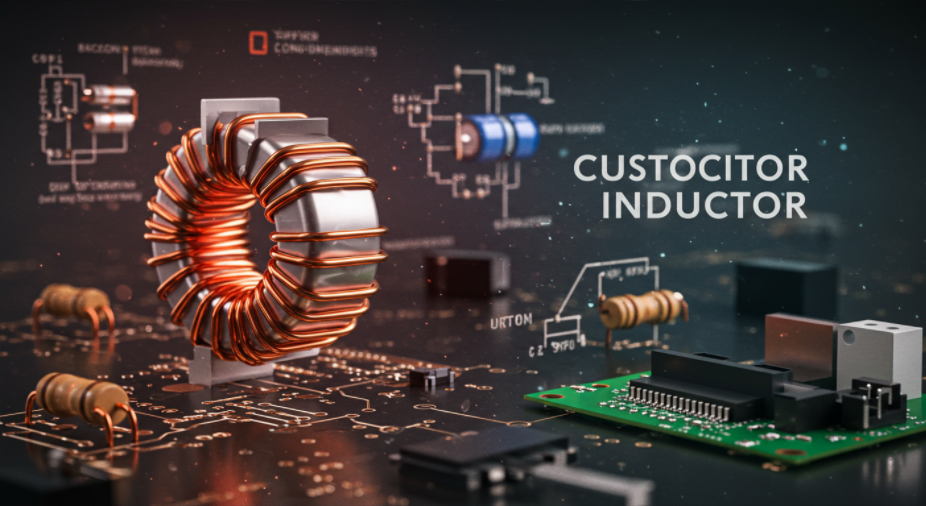

In the design field of high - frequency transformers and inductors, the introduction of an air gap in the magnetic core is a crucial yet delicate technique that requires careful trade - offs. The presence of an air gap not only significantly impacts magnetic properties but also has close relations with thermal stability and efficiency.
Air - Gap Design in High - Frequency Transformers: Trade - offs among Magnetic, Thermal, and Efficiency Aspects