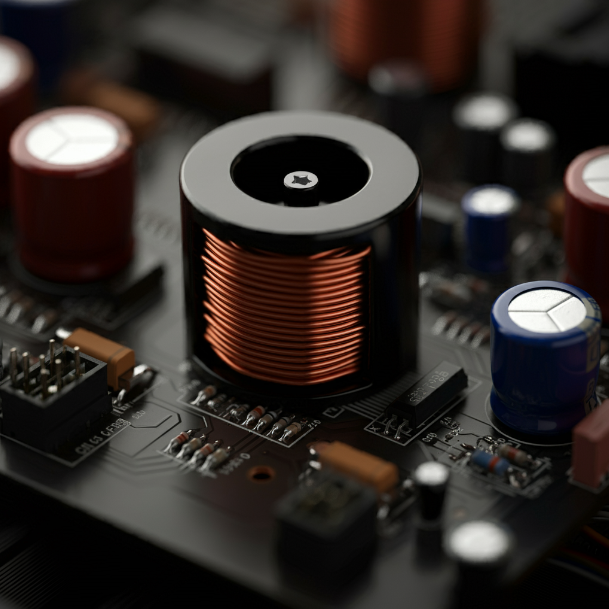
Custom-designed transformers drive power system innovation
2024-06-21

The rise of the custom transformer
Custom transformers provide tailored solutions to meet specific needs, whether it's a unique industrial application, integration with renewable energy sources, or improved energy efficiency. These transformers are designed to handle a wide range of voltages, power ratings and environmental conditions, making them versatile and adaptable.
Key Drivers and Trends
Renewable Energy Integration: As the world moves towards a greener energy mix, integrating renewable energy sources such as solar and wind into the grid presents unique challenges. Customised transformers are being designed to manage the fluctuating power levels of these energy sources to ensure a stable and reliable power supply.
Smart grids and digitalisation: The emergence of smart grids requires transformers that can not only handle power loads, but also communicate and adapt to changing conditions. Customised transformers with embedded sensors and communication technology are becoming an important part of the modern grid.
Industrial applications: Industries with special power needs, such as data centres, electric vehicle charging stations and advanced manufacturing, require transformers that can be precisely configured to their specific requirements. Customised transformers offer the flexibility needed to efficiently support these applications.
Energy Efficiency and Sustainability: There is a growing emphasis on energy efficiency and reducing carbon footprints. Custom transformers can be designed with materials and technologies that minimise energy loss, thereby contributing to the sustainability of the power system.
Industry impact
The shift to custom-designed transformers is driving innovation across the power industry. Transformer manufacturing specialists are investing in research and development to create more efficient, reliable and adaptable solutions. This trend is also fostering collaboration between transformer manufacturers, utilities and technology providers to meet the changing needs of the energy market.
Challenges and opportunities
While the benefits of customised transformers are clear, there are a number of challenges that need to be addressed. These challenges include higher initial costs and longer lead times compared to standard transformers. However, in the long run, the gains in efficiency, reliability and adaptability often outweigh these initial hurdles.
The increasing adoption of custom-designed transformers provides the power industry with a significant opportunity to improve grid reliability, integrate renewable energy sources more efficiently, and meet the specific needs of a variety of applications. As technology continues to advance, the role of custom transformers is expected to grow, further advancing the global power system.
In short, custom-designed transformers are not just a niche product, but a key component of the power system of the future. Their ability to provide tailor-made solutions makes them indispensable in meeting the complex challenges of the modern energy environment.
LM2596 DC-DC Converter for Power Management Applications
Voltage Converters Pave the Way for Efficient Power Solutions
Related Article
In the design field of high - frequency transformers and inductors, the introduction of an air gap in the magnetic core is a crucial yet delicate technique that requires careful trade - offs. The presence of an air gap not only significantly impacts magnetic properties but also has close relations with thermal stability and efficiency.
Air - Gap Design in High - Frequency Transformers: Trade - offs among Magnetic, Thermal, and Efficiency Aspects