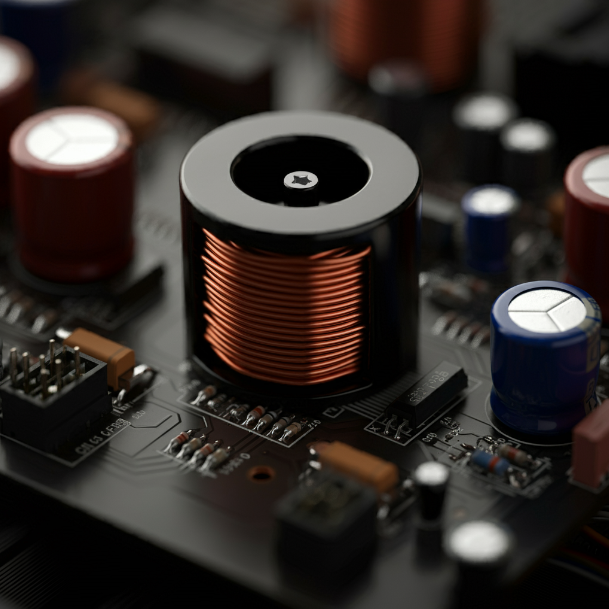
Advances in Inductor Technology Take Electronic Devices to New Heights
2024-07-29
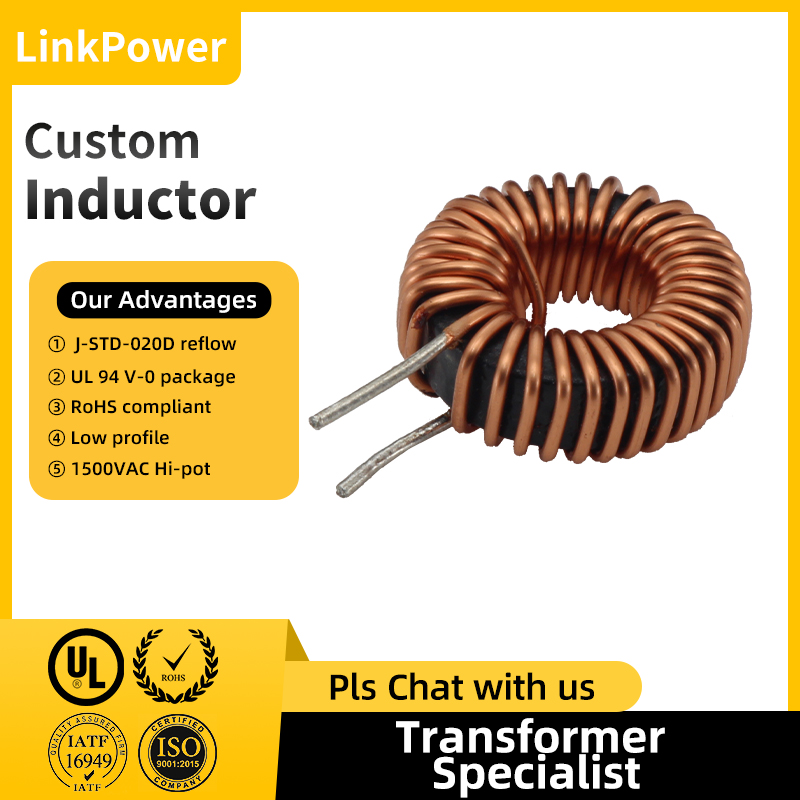
The inductor industry is witnessing a wave of technological advances that are significantly improving the performance and efficiency of electronic devices. As indispensable components in power supplies, filters and energy storage systems, inductors play a vital role in modern electronics.
Recent innovations have focused on improving the materials and design of inductors to reduce their size while increasing their power handling capabilities. This miniaturisation is particularly important for applications in smartphones, laptops and other portable devices where space is limited.
One important development is the use of advanced magnetic materials that offer higher permeability and lower core losses. These materials allow inductors to operate more efficiently, reducing energy consumption and heat generation. In addition, new manufacturing techniques allow for more precise control of inductor characteristics, resulting in components that are both reliable and durable.
In addition, the growing demand for renewable energy systems is driving the development of inductors that can handle higher power levels and operate effectively in harsh environments. These rugged inductors are critical for applications in wind turbines, solar inverters and electric vehicles.
As the quest for more efficient and compact electronic devices continues, advances in inductor technology will play a key role in meeting these evolving needs, propelling the industry towards a more innovative and sustainable future.
Common Mode Chokes: Enhancing EMC and Signal Integrity in Modern Electronics
Advances in PoE Transformer Technology Improve Network Efficiency
Related Article
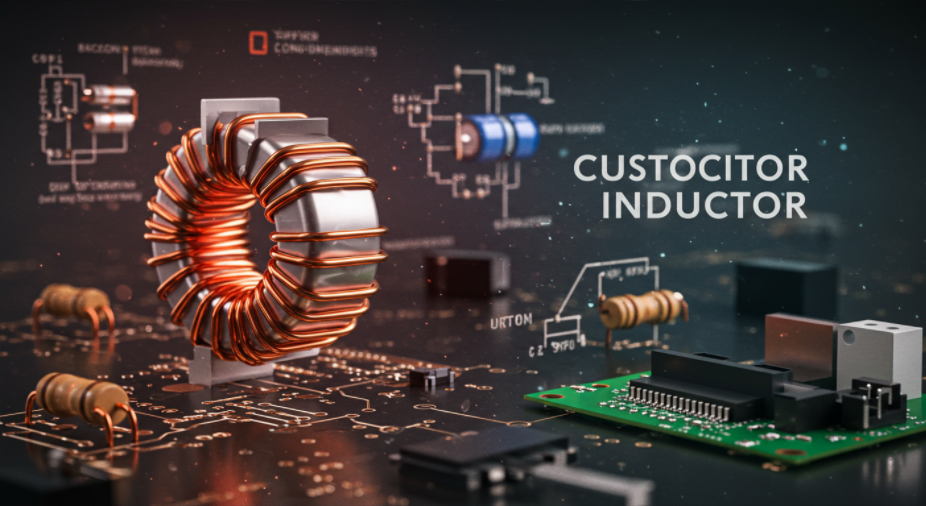
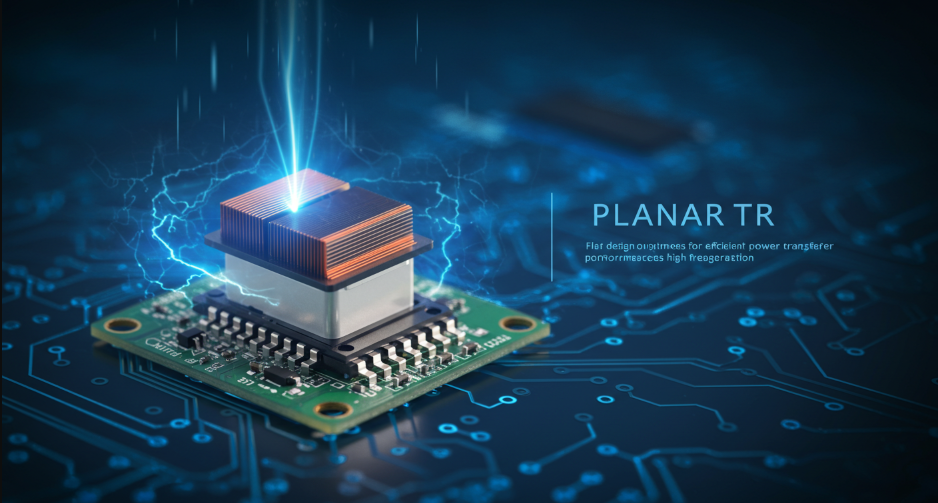
In the design field of high - frequency transformers and inductors, the introduction of an air gap in the magnetic core is a crucial yet delicate technique that requires careful trade - offs. The presence of an air gap not only significantly impacts magnetic properties but also has close relations with thermal stability and efficiency.
Air - Gap Design in High - Frequency Transformers: Trade - offs among Magnetic, Thermal, and Efficiency Aspects