
Power transformers adapted to modern needs
2024-07-23

Power Transformers: Meeting the Evolving Needs of Modern Electronics
As technology advances, power transformers are increasingly becoming key components in a wide range of electronic systems. Recent developments in power transformers have focused on increasing efficiency, reducing size and enhancing performance to meet the demands of modern electronic equipment and industrial applications. With the growing need for more reliable and compact power solutions, innovations in power transformers are paving the way for future developments.
Latest innovations and trends
The latest advances in power transformers include
- Improved efficiency: New designs and materials are being used to improve the efficiency of power transformers, minimising energy loss and heat generation.
- Compact and lightweight design: Innovations in transformer design have resulted in smaller and lighter transformers without compromising on performance for space-constrained applications.
- Advanced materials: The use of high-performance materials such as amorphous steel and advanced core materials is improving the overall performance and thermal management of transformers.
- Modular and digital solutions: Modular design and adoption of digital control technologies are providing greater flexibility and accuracy in power transmission.
- Market Trends and Growth Drivers
The strong growth of the power transformer market is due to several factors:
- Demand for high-power applications: Increasing use of high-power electronic equipment in industries such as data centres, renewable energy, and electric vehicles is driving the demand for advanced power transformers.
- Technological Advancements: Innovations in transformer technology have improved efficiency and performance, driving market expansion.
- INDUSTRIAL AUTOMATION: Growth in automation and industrial processes requires reliable and efficient power solutions, driving the demand for power transformers.
- Consumer Electronics: Proliferation of consumer electronics such as smartphones, tablets, and gaming devices is fuelling the demand for efficient power solutions.
Key Applications and Impact
Power transformers are critical in various applications, including
- Data Centres: Providing reliable power to servers and networking equipment.
- Renewable Energy Systems: Supporting power conversion and management in solar and wind energy systems.
- Consumer electronics: Powering devices such as laptops, televisions and audio equipment.
- Industrial Machinery: Ensures stable power for manufacturing and automation processes.
- Medical Equipment: Provides reliable power for critical healthcare and diagnostic equipment.
Future Outlook
The future of power transformers is bright as they continue to advance in efficiency, size reduction and performance. Emerging technologies and materials are expected to further enhance the capabilities of power transformers, enabling them to play an even more important role in supporting next-generation electronic and industrial systems.
PoE Transformers Drive Network Infrastructure
xDSL transformers drive innovation in broadband connectivity
Related Article
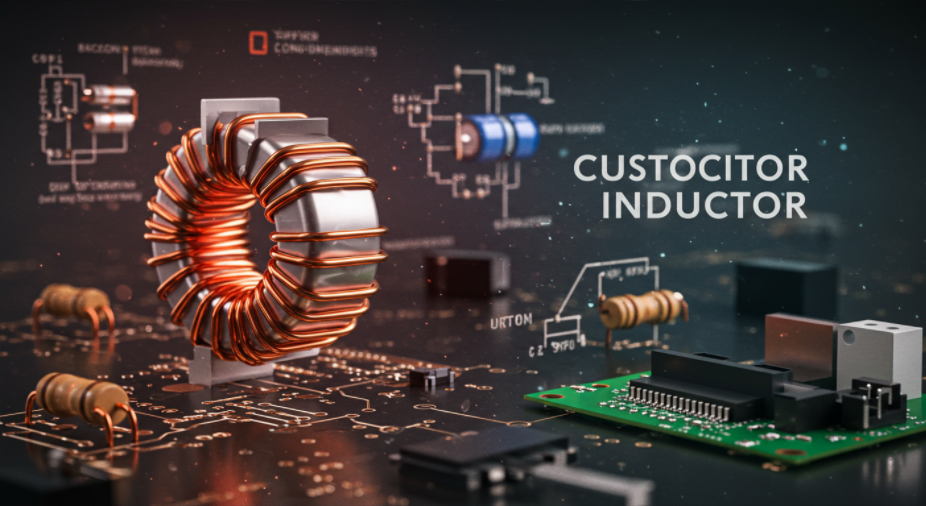
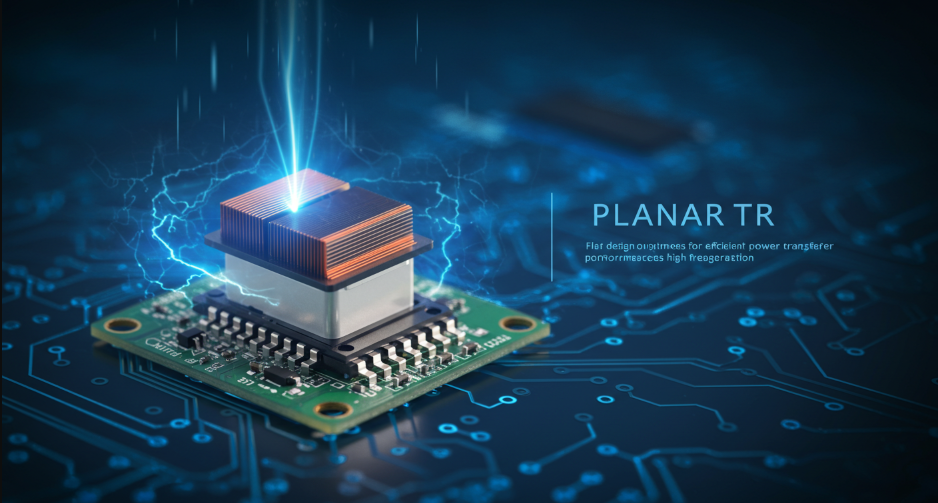
In the design field of high - frequency transformers and inductors, the introduction of an air gap in the magnetic core is a crucial yet delicate technique that requires careful trade - offs. The presence of an air gap not only significantly impacts magnetic properties but also has close relations with thermal stability and efficiency.
Air - Gap Design in High - Frequency Transformers: Trade - offs among Magnetic, Thermal, and Efficiency Aspects