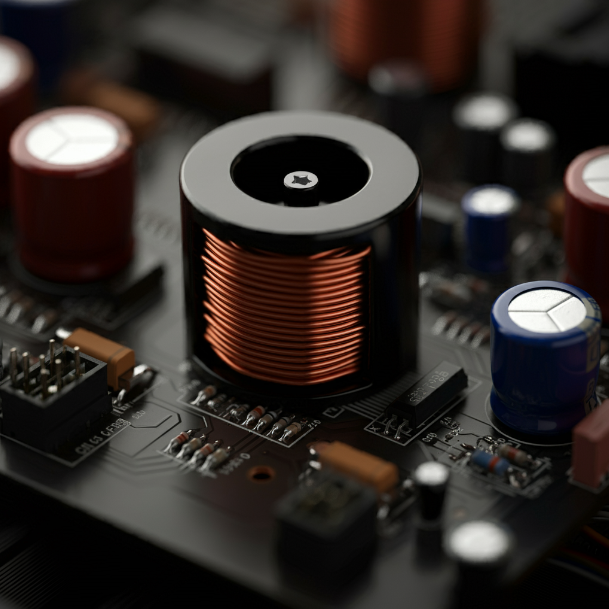
Advances in Electric Induction: Transforming Modern Industry
2024-07-03
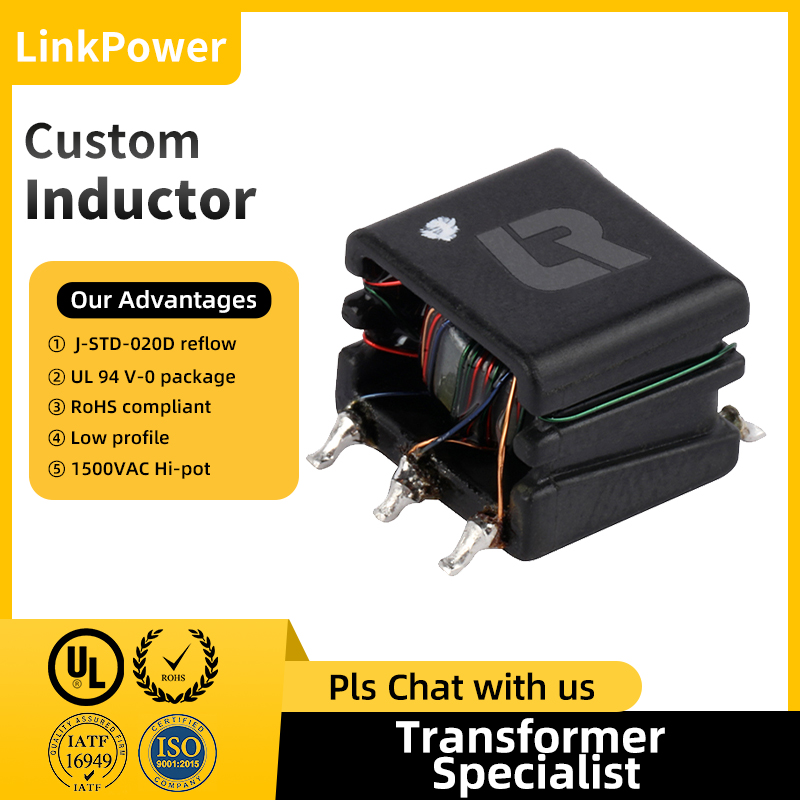
Understanding Electrical Induction
Electrical induction, the process by which an electric current is generated in a guided body in the presence of a varying magnetic field, plays a vital role in a multitude of applications. Induction heating, induction motors and induction charging are some of the main uses of the technology, which utilise the principle of induction to enable efficient non-contact energy transfer.
Major Advances in Induction Technology
Induction heating: Recent innovations in induction heating technology have improved energy efficiency and precision. Modern induction heaters heat materials quickly and uniformly, reducing energy consumption and enhancing process control. The technology is used in a wide range of applications including metalworking, cooking appliances and sterilisation of medical devices.
Induction Motors: Advances in induction motor design have made motors more efficient, reliable and economical. These motors are used in electric vehicles (EVs), industrial machinery and household appliances. Innovations such as Variable Frequency Drives (VFDs) further optimise the performance of induction motors by precisely controlling motor speed and torque.
Induction charging: Significant advances have been made in the development of induction charging technology, particularly for electric vehicles and consumer electronics. Higher efficiencies, faster charging times and greater convenience are driving the adoption of wireless charging systems. This technology will play a critical role in the widespread adoption of electric vehicles and the popularity of wireless charging stations.
Cross-Industry Applications
Electric induction technology is transforming a wide range of industries by providing efficient, precise and non-contact solutions:
Manufacturing: Induction heating is widely used for metal hardening, welding, brazing and annealing. The ability to precisely control temperature and heat-up time improves product quality and reduces energy costs.
Automotive: Induction motors are the backbone of modern electric vehicles, providing high efficiency and reliability. Induction charging systems provide a convenient and efficient way to charge electric vehicles, supporting the transition to sustainable mobility.
Consumer Electronics: Induction charging pads and posts are becoming increasingly common for smartphones, tablets and wearable devices, offering users the convenience of wireless charging without cables.
Energy systems: Induction generators are used in renewable energy systems such as wind and water, efficiently converting mechanical energy into electrical energy.
Automotive: Induction motors are the backbone of modern electric vehicles, providing high efficiency and reliability. Induction charging systems provide a convenient and efficient way to charge electric vehicles, supporting the transition to sustainable mobility.
Consumer Electronics: Induction charging pads and posts are becoming increasingly common for smartphones, tablets and wearable devices, offering users the convenience of wireless charging without cables.
Energy systems: Induction generators are used in renewable energy systems such as wind and water, efficiently converting mechanical energy into electrical energy.
Future trends in electric induction technology
The future of electric induction technology is promising, and there are several trends that will drive further development:
Improving efficiency: Ongoing research is aimed at improving the efficiency of induction systems, reducing energy losses and improving overall performance.
Miniaturisation: The development of compact, portable induction devices for a variety of applications, from small consumer electronics to portable induction cooktops.
Integration with the Internet of Things: Integration of induction systems with the Internet of Things (IoT) to enable smart monitoring and control, optimise energy use and improve maintenance processes.
Sustainable Practices: Adoption of environmentally friendly materials and processes in the manufacturing of induction systems to support sustainable development and green technologies.
Miniaturisation: The development of compact, portable induction devices for a variety of applications, from small consumer electronics to portable induction cooktops.
Integration with the Internet of Things: Integration of induction systems with the Internet of Things (IoT) to enable smart monitoring and control, optimise energy use and improve maintenance processes.
Sustainable Practices: Adoption of environmentally friendly materials and processes in the manufacturing of induction systems to support sustainable development and green technologies.
Conclusion
Induction technology is at the forefront of modern industrial and consumer innovation, providing efficient and precise solutions for a wide range of applications. Advances in induction heating, motors, and charging systems are transforming industry by increasing efficiency, reducing energy consumption, and providing greater convenience.
High-frequency transformers: Innovating modern electronics with higher performance
Inductometers: Revolutionising Electronic Test and Design
Related Article
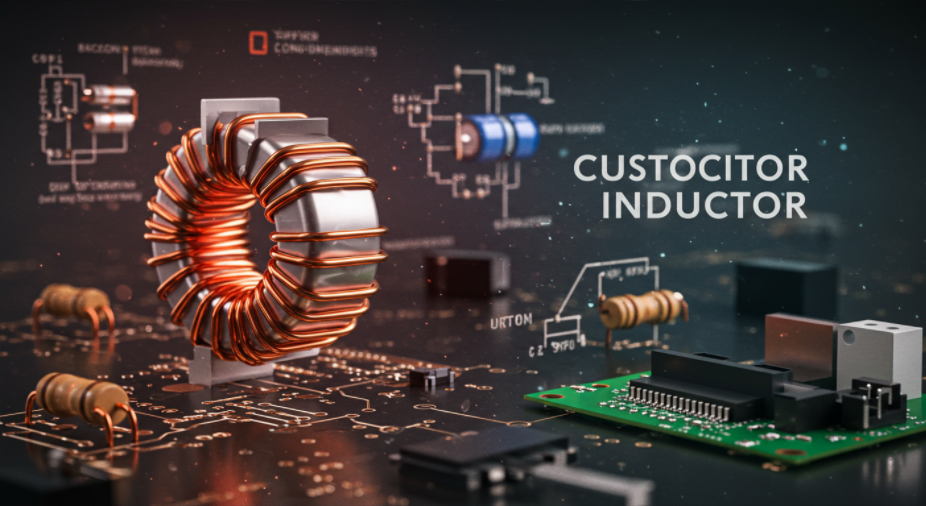
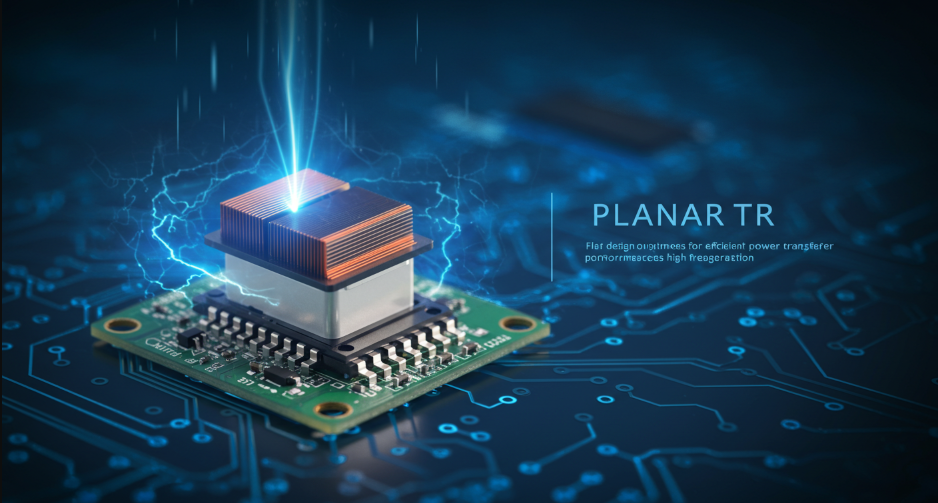
In the design field of high - frequency transformers and inductors, the introduction of an air gap in the magnetic core is a crucial yet delicate technique that requires careful trade - offs. The presence of an air gap not only significantly impacts magnetic properties but also has close relations with thermal stability and efficiency.
Air - Gap Design in High - Frequency Transformers: Trade - offs among Magnetic, Thermal, and Efficiency Aspects