
Growing Demand for Electric Vehicle Transformers: Powering the Future of Electric Mobility
2024-08-27

As the global shift towards electric vehicles (EVs) accelerates, the demand for specialized components like EV transformers is reaching unprecedented levels. These transformers are crucial for the efficient functioning of electric vehicles, serving as the backbone for charging systems, power distribution, and overall energy management within the vehicle.
The Role of EV Transformers
EV transformers are designed to handle the unique power requirements of electric vehicles. Unlike traditional transformers, which are typically used in stationary applications, LP Electric Vehicle Transformer must be compact, lightweight, and capable of operating under varying environmental conditions. They play a critical role in the vehicle's charging system, converting the grid power to a suitable level that can be safely used by the vehicle's battery.
In particular, on-board charger transformers and DC-DC converter transformers are two of the most commonly used types. The on-board charger transformer is responsible for converting AC power from the charging station into DC power that charges the battery. Meanwhile, the DC-DC converter transformer steps down the voltage from the battery to power the vehicle's various electrical systems, such as lighting, infotainment, and air conditioning.
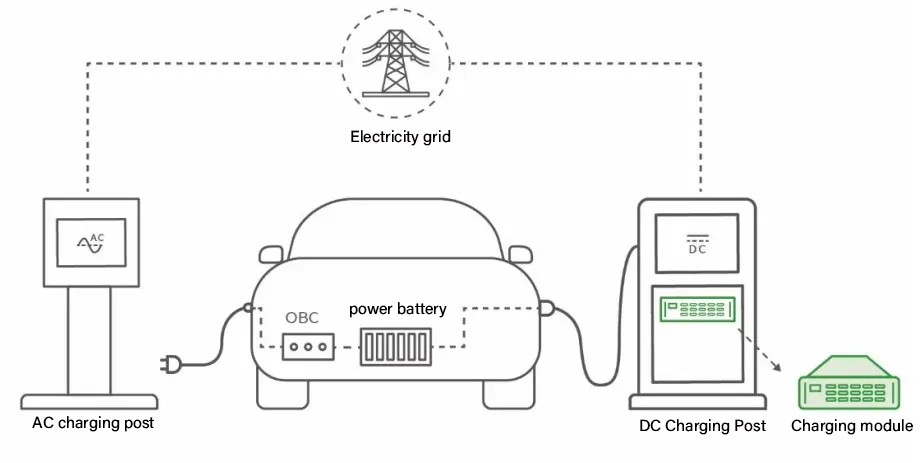
Market Trends and Innovations
The market for EV transformers is expected to grow significantly in the coming years, driven by the Reflect Growing Global Demand for Electric Mobility and advancements in EV technology. According to recent industry reports, the global EV transformer market is projected to expand at a compound annual growth rate (CAGR) of over 10% from 2024 to 2030.
One of the key trends in this market is the development of high-efficiency, high-density transformers that can deliver more power while taking up less space. Manufacturers are also focusing on improving the thermal management and durability of these transformers to ensure they can withstand the harsh operating conditions often encountered in EV applications.
In addition, the integration of smart technologies is becoming increasingly important. Advanced EV transformers are now being equipped with sensors and communication interfaces that allow for real-time monitoring and diagnostics. This not only enhances the safety and reliability of the vehicle but also helps in predictive maintenance, reducing downtime and extending the lifespan of the transformer.

Challenges and Opportunities
Despite the promising growth prospects, the EV transformer market faces several challenges. One of the primary issues is the need for standardization across different regions and vehicle models. The lack of uniform standards can lead to compatibility issues, making it difficult for manufacturers to scale their products globally.
However, these challenges also present opportunities for innovation. Companies that can develop versatile, standardized transformer solutions that are adaptable to various vehicle platforms will be well-positioned to capitalize on the growing demand for electric vehicles.
Conclusion
As electric vehicles become more mainstream, the importance of EV transformers will continue to grow. These critical components are not only essential for the efficient operation of EVs but also for the advancement of the broader electric mobility ecosystem. With ongoing innovations and a strong market outlook, the future of LP Electric Vehicle Transformer looks bright, paving the way for a more sustainable and electrified future. For more insights, you can watch this Video on the latest trends in the EV transformer market.
Developments in xDSL Transformer Technology
Growing demand for power transformers in modern electronics: key trends and innovations
Related Article
In the design field of high - frequency transformers and inductors, the introduction of an air gap in the magnetic core is a crucial yet delicate technique that requires careful trade - offs. The presence of an air gap not only significantly impacts magnetic properties but also has close relations with thermal stability and efficiency.
Air - Gap Design in High - Frequency Transformers: Trade - offs among Magnetic, Thermal, and Efficiency Aspects