Link-Power Identifies and Mitigates Common Transformer Failures
2024-08-08
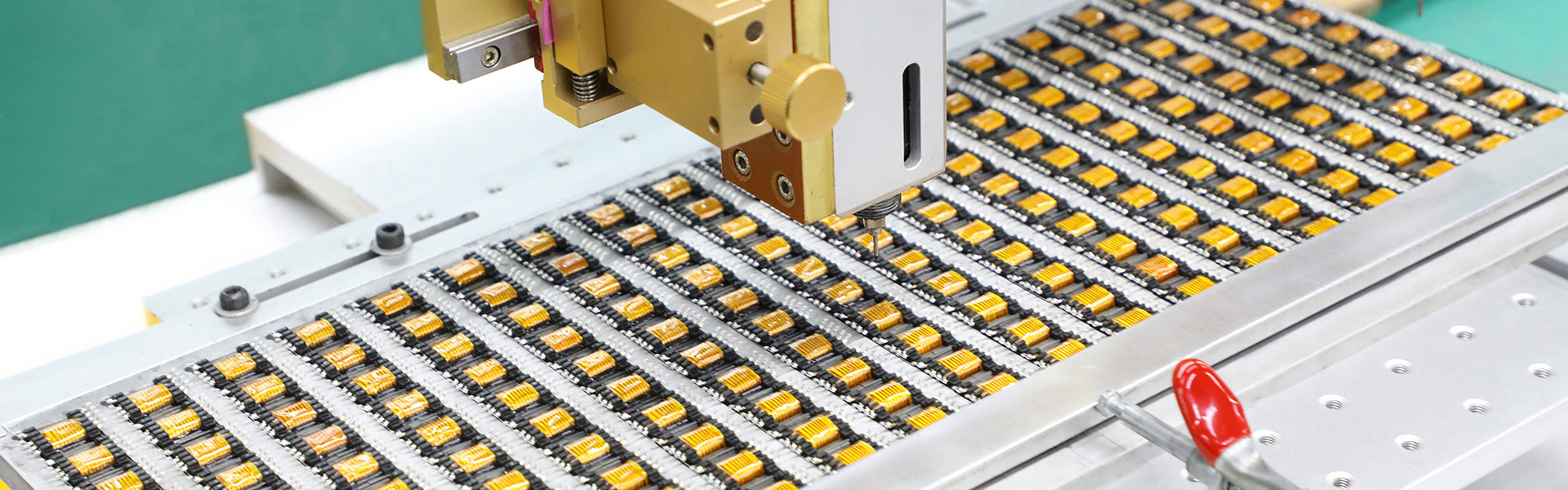
As a leading player in the transformer manufacturing industry, Link-Power continues to prioritize good and safety in its products. We have identified several common transformer faults and their causes, as well as effective mitigation strategies. Our commitment to excellence ensures that our transformers meet the highest standards of performance and durability.
Winding Faults
Winding faults, such as inter-turn short circuits, winding ground faults, phase-to-phase short circuits, broken wires, and joint weld failures, are among the most prevalent issues. The primary causes of these faults include:
-
Manufacturing or Repair Defects: Localized insulation damage or leftover defects during manufacturing or repairs.
-
Overheating and Overloading: Inadequate cooling or prolonged overloading during operation, leading to insulation aging due to high temperatures.
-
Poor Manufacturing Practices: Insufficient compression and mechanical strength unable to withstand short-circuit impacts, causing winding deformation and insulation damage.
-
Moisture Contamination: Moisture ingress causing insulation expansion and blocking oil channels, resulting in local overheating.
-
Deterioration of Insulating Oil: Contamination with moisture or excessive exposure to air, increasing acid value and reducing insulation level, or low oil levels leaving parts of the winding exposed to air.
When insulation breakdown occurs during operation, it can lead to winding short circuits or ground faults. Symptoms of inter-turn short circuits include transformer overheating, increased oil temperature, slight increases in primary current, unbalanced phase resistance, and sometimes noises or bubbling sounds in the oil. Minor inter-turn short circuits may trigger gas protection, while severe cases can activate differential protection or overcurrent protection on the primary side. Prompt attention to inter-turn short circuits is crucial to prevent more severe single-phase ground or phase-to-phase short circuits.
Bushing Faults
Common bushing faults include explosions, flashovers, and oil leaks. These faults are primarily caused by:
-
Poor Sealing: Insulation deterioration due to moisture ingress or oil leaks.
-
Improper Breather Design: Inadequate design or failure to address moisture absorption promptly.
-
Capacitor Bushings: Use of capacitor bushings on high-voltage sides (110kV and above) with manufacturing defects like poor porcelain quality or cracks.
-
Manufacturing Defects in Capacitor Cores: Internal partial discharge due to defects.
-
Severe Contamination: Accumulation of dirt on bushings.
Core Faults
Common core faults include:
-
Insulation Damage Between Silicon Steel Sheets: Local overheating and melting of the core.
-
Damage to Insulation of Core Clamping Bolts: Formation of a short circuit between the silicon steel sheets and clamping bolts.
-
Residual Welding Slag: Formation of a two-point grounding fault.
-
Magnetic Leakage Heating: Localized overheating and insulation damage due to magnetic leakage in the top and middle of the transformer oil tank, bushing flanges, and between core and winding clamping parts.
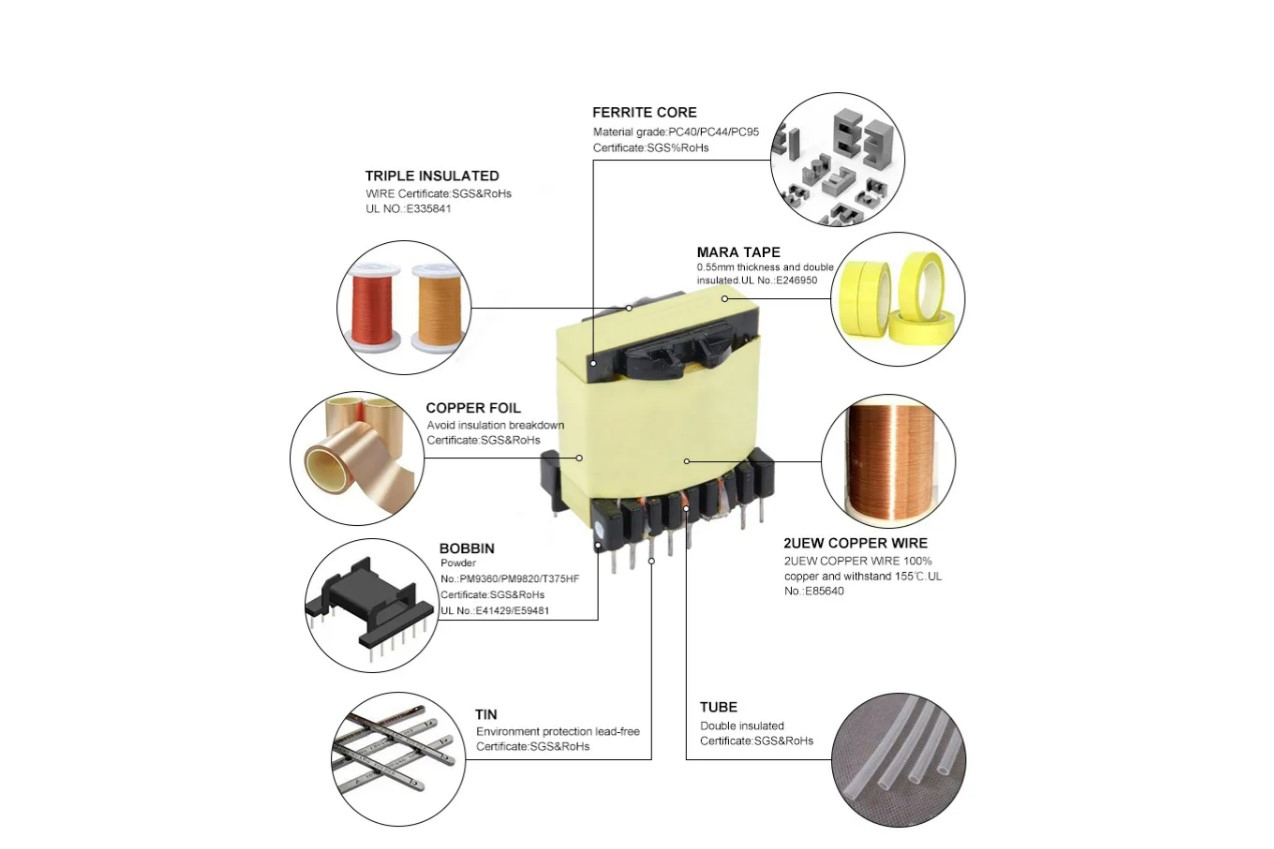
When a transformer experiences winding or core faults during operation, core lifting inspection is necessary. First, measure and compare the DC resistance of each winding phase; significant differences indicate winding faults. Then, visually inspect the core and measure inter-sheet insulation resistance using a DC voltage and ammeter method. Minor damage can be repaired by applying varnish to the affected areas.
Introducing LP Transformer: Your Reliable Choice
At Link-Power, we pride ourselves on producing transformers with good quality and minimal faults. Our LP Transformers are designed to deliver exceptional performance and reliability, ensuring your operations run smoothly with fewer disruptions. With our advanced manufacturing processes and stringent quality control measures, we guarantee that our products meet the highest industry standards.
Discover the benefits of choosing LP Transformer for your needs:
-
Exceptional Quality: Our transformers are built to last, providing long-term reliability and durability.
-
Minimal Faults: Designed and manufactured with precision, LP Transformers experience fewer faults, reducing downtime and maintenance costs.
-
Advanced Technology: We incorporate the latest technological advancements to enhance the performance and efficiency of our transformers.

To learn more about our products and how they can benefit your operations, visit our News Centre for the latest updates and insights into the transformer industry. Stay informed about the newest trends and innovations that set Link-Power apart as a leader in the field.
Link-Power remains dedicated to advancing transformer technology and enhancing operational safety. Our ongoing efforts in identifying and addressing potential faults reflect our unwavering commitment to quality and reliability.
For more information, visit our News Centre to stay updated on the latest developments and industry news.
Overview of the working principle and classification of inductive coils
Green Transformers: Expanding Market Opportunities
Related Article
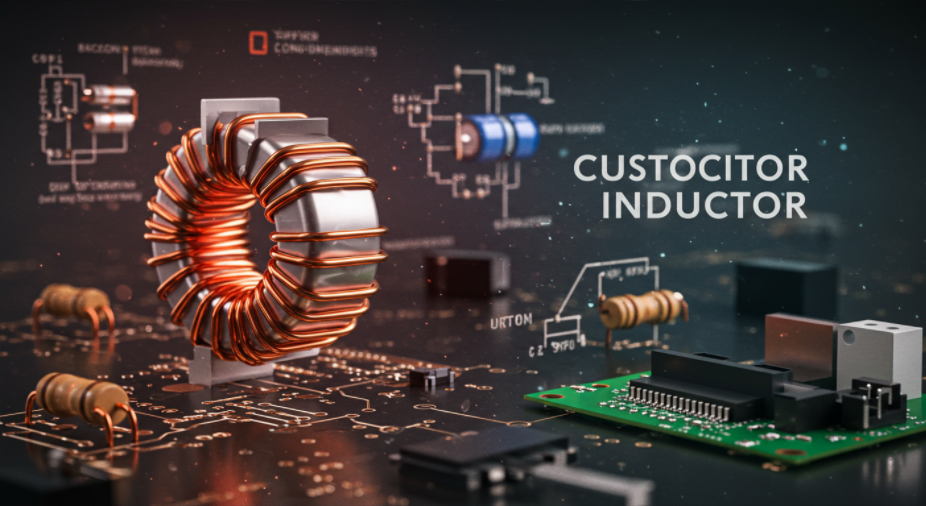
In the design field of high - frequency transformers and inductors, the introduction of an air gap in the magnetic core is a crucial yet delicate technique that requires careful trade - offs. The presence of an air gap not only significantly impacts magnetic properties but also has close relations with thermal stability and efficiency.
Air - Gap Design in High - Frequency Transformers: Trade - offs among Magnetic, Thermal, and Efficiency Aspects