
High-current power transformers drive industrial innovation
2024-06-21

High Current Power Transformers Overview
High current power transformers are designed to handle high currents, often in excess of hundreds of amps, at varying voltage levels. These transformers are critical for applications requiring high power density and precise current regulation. By efficiently converting and distributing power, they ensure the stable operation of high-current equipment and systems in a wide range of industries.
Key Features and Benefits
High efficiency: These transformers are optimised to minimise energy loss during conversion, ensuring high efficiency even under high current loads. This efficiency is essential to reduce operating costs and improve overall energy utilisation.
Consistent performance: High-current transformers are designed to handle high-current loads and provide stable and reliable power. Their robust construction ensures consistent performance, which is critical to maintaining functionality in heavy-duty applications.
Advanced Safety: These transformers are equipped with advanced safety features that protect against potential overloads, short circuits and thermal problems. This makes them safer to operate, especially in high-risk industrial environments.
Customisability and flexibility: High-current transformers can be customised to meet specific application requirements, providing flexibility in design and implementation. This adaptability makes them suitable for a wide range of industrial and commercial applications.
Applications and Impact
INDUSTRIAL MANUFACTURING: In manufacturing, high-current transformers power critical machinery and equipment such as induction furnaces, welding machines and large motors. Their reliability and efficiency increase production capacity and operational efficiency.
Data Centres: Data centres require large amounts of power to operate servers and cooling systems. High-current transformers provide the necessary power density and stability to ensure uninterrupted operation of these critical facilities and optimise energy management.
Renewable energy systems: In renewable energy facilities such as wind farms and solar power plants, high-current transformers help to efficiently convert and distribute the power generated. They support the integration of renewable energy sources into the grid, promoting sustainability and energy resilience.
Transport and Electric Vehicle Infrastructure: The growing popularity of electric vehicles (EVs) has increased the demand for high-current transformers in charging infrastructure. These transformers enable fast charging capabilities and support the expansion of EV networks and sustainable transport solutions.
Industry Trends and Future Prospects
The high current power transformer market is expected to grow significantly, driven by increasing industrial automation, expanding data centres, and shift towards renewable energy sources. Technological advancements such as development of more efficient magnetic materials and digital control systems are expected to further improve the performance and efficiency of these transformers.
Moreover, integration of smart grid technologies and Internet of Things (IoT) will enable advanced monitoring and management of power systems. This will result in smarter and more responsive distribution networks capable of optimising energy use and improving grid stability.
Conclusion
High-current power transformers are key components of modern electrical and industrial systems. Efficient, reliable and adaptable, they are indispensable for powering heavy machinery, data centres, renewable energy installations and electric vehicle infrastructure. As technological advances continue to drive improvements in transformer design and performance, high-current transformers will play a key role in shaping the future of power management and industrial innovation.
480V to 240V Step-Down Transformers Promote Efficient Power Distribution
Low-voltage high-current power transformers to promote the development of power conversion technology
Related Article
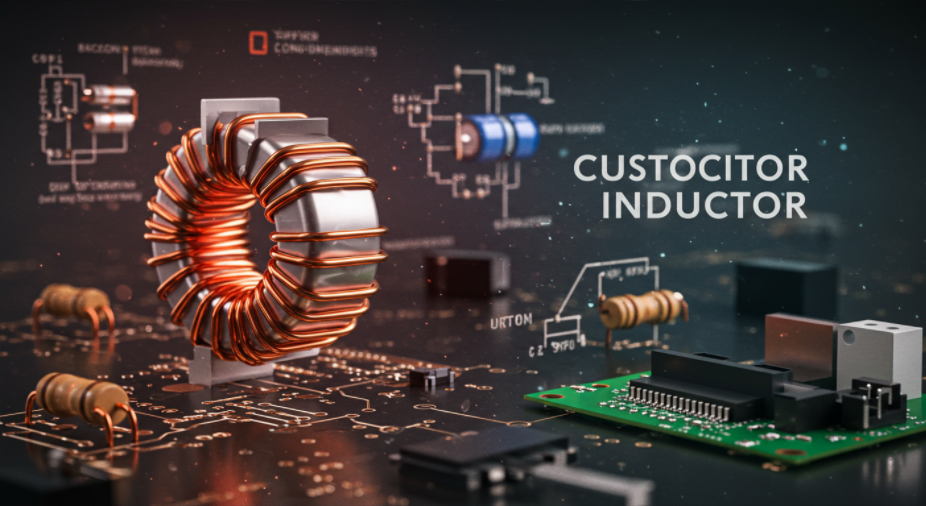
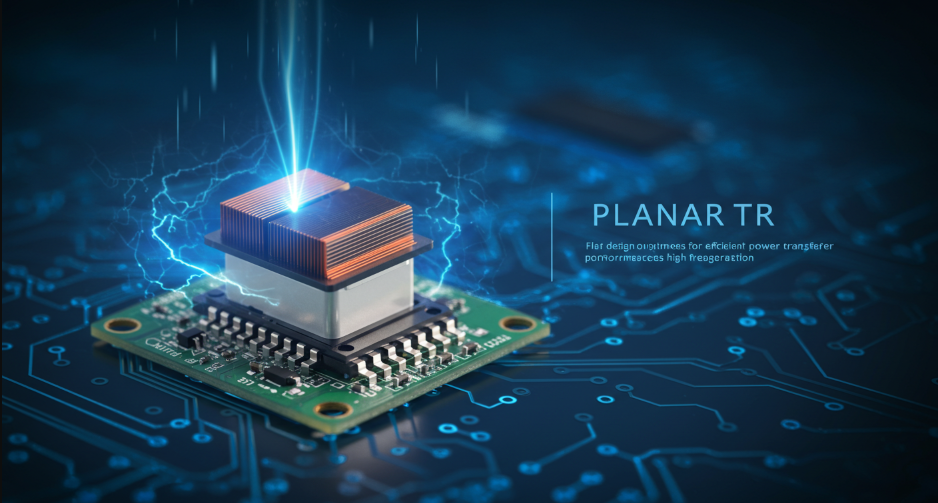
In the design field of high - frequency transformers and inductors, the introduction of an air gap in the magnetic core is a crucial yet delicate technique that requires careful trade - offs. The presence of an air gap not only significantly impacts magnetic properties but also has close relations with thermal stability and efficiency.
Air - Gap Design in High - Frequency Transformers: Trade - offs among Magnetic, Thermal, and Efficiency Aspects