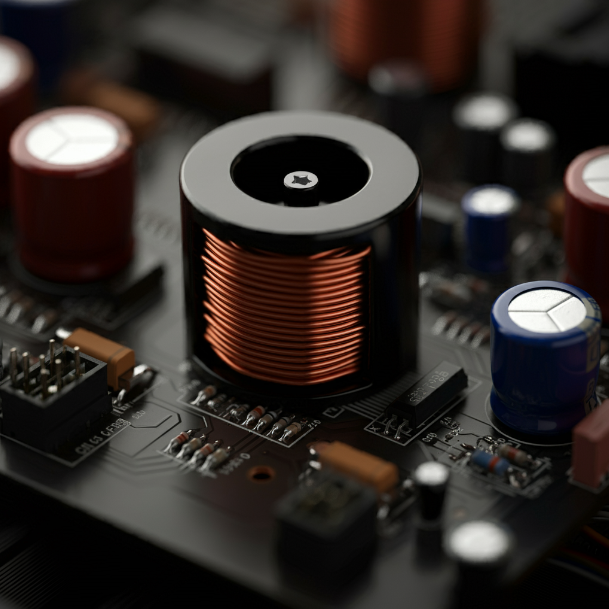
High Frequency Inductors Drive Innovation in Advanced Electronics Technology
2024-07-06
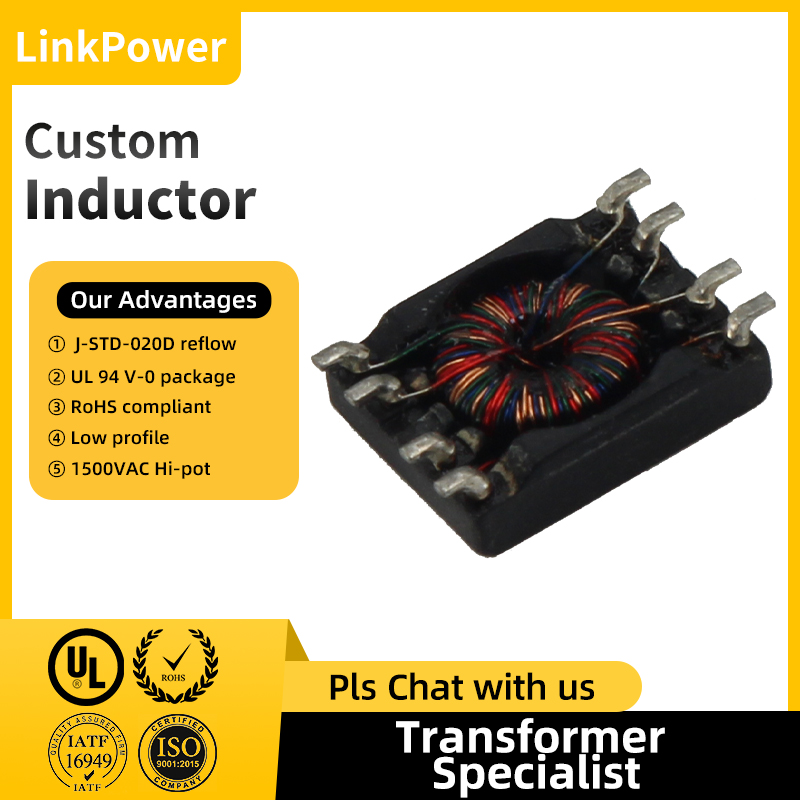
High-frequency inductors are key components in modern electronic systems, designed to operate efficiently at high frequencies, providing critical functions such as filtering, energy storage and impedance matching. These inductors are essential in applications such as telecommunications, RF circuits, power supplies, automotive systems, and advanced consumer electronics.
Leading manufacturers such as HighFreqTech and InducPro Innovations are at the forefront of developing advanced high frequency inductors. Through the use of cutting-edge materials and innovative design techniques, these companies produce inductors that offer superior performance, efficiency, and reliability to meet the stringent requirements of contemporary high-frequency electronics applications.
In telecommunications, high-frequency inductors play a critical role in maintaining signal integrity and reducing noise in communication networks. They are critical for RF circuits, signal processing and data transmission, especially in high-speed data networks and 5G infrastructure. High-frequency inductors are able to operate at higher frequencies with minimal loss, which is critical to ensuring clear and reliable communications.
The automotive industry, especially electric vehicles (EVs) and hybrid electric vehicles (HEVs), also relies heavily on high-frequency inductors. These components are used in powertrain systems, battery management and on-board chargers to ensure efficient power conversion and minimise electrical noise. The high-frequency operation of these inductors supports advanced automotive technologies and helps improve the overall performance and reliability of electric vehicles.
In industrial automation, high frequency inductors are used in motor drives, power supplies and control systems to ensure stable operation and energy efficiency. By filtering out high-frequency noise and maintaining smooth power delivery, these inductors help protect sensitive equipment and increase the efficiency of automated production processes. Their robust design and high efficiency are critical to reducing downtime and maintenance costs in industrial environments.
Consumer electronics benefit from high-frequency inductors used in the power supplies of devices such as smartphones, tablets, laptops and game consoles. These inductors ensure clean power delivery, improve performance and extend the life of electronic devices by suppressing noise and preventing interference. The compact design and high efficiency of high-frequency inductors make them ideal for portable and high-performance consumer devices.
Renewable energy systems such as solar inverters and wind turbine controllers also rely on high frequency inductors for efficient power management and noise suppression. These inductors ensure stable operation of power conversion systems, maximise energy harvesting and increase the reliability of renewable energy installations. Their ability to handle high frequencies and operate in harsh environmental conditions makes them suitable for a variety of renewable energy applications.
Adoption of high-frequency inductors is expected to increase across a wide range of industries as technology continues to advance and the need for efficient power management and high-frequency operation grows. These components are critical to support the development of next-generation electronic devices and systems, improving performance, efficiency and reliability.
Leading manufacturers such as HighFreqTech and InducPro Innovations are at the forefront of developing advanced high frequency inductors. Through the use of cutting-edge materials and innovative design techniques, these companies produce inductors that offer superior performance, efficiency, and reliability to meet the stringent requirements of contemporary high-frequency electronics applications.
In telecommunications, high-frequency inductors play a critical role in maintaining signal integrity and reducing noise in communication networks. They are critical for RF circuits, signal processing and data transmission, especially in high-speed data networks and 5G infrastructure. High-frequency inductors are able to operate at higher frequencies with minimal loss, which is critical to ensuring clear and reliable communications.
The automotive industry, especially electric vehicles (EVs) and hybrid electric vehicles (HEVs), also relies heavily on high-frequency inductors. These components are used in powertrain systems, battery management and on-board chargers to ensure efficient power conversion and minimise electrical noise. The high-frequency operation of these inductors supports advanced automotive technologies and helps improve the overall performance and reliability of electric vehicles.
In industrial automation, high frequency inductors are used in motor drives, power supplies and control systems to ensure stable operation and energy efficiency. By filtering out high-frequency noise and maintaining smooth power delivery, these inductors help protect sensitive equipment and increase the efficiency of automated production processes. Their robust design and high efficiency are critical to reducing downtime and maintenance costs in industrial environments.
Consumer electronics benefit from high-frequency inductors used in the power supplies of devices such as smartphones, tablets, laptops and game consoles. These inductors ensure clean power delivery, improve performance and extend the life of electronic devices by suppressing noise and preventing interference. The compact design and high efficiency of high-frequency inductors make them ideal for portable and high-performance consumer devices.
Renewable energy systems such as solar inverters and wind turbine controllers also rely on high frequency inductors for efficient power management and noise suppression. These inductors ensure stable operation of power conversion systems, maximise energy harvesting and increase the reliability of renewable energy installations. Their ability to handle high frequencies and operate in harsh environmental conditions makes them suitable for a variety of renewable energy applications.
Adoption of high-frequency inductors is expected to increase across a wide range of industries as technology continues to advance and the need for efficient power management and high-frequency operation grows. These components are critical to support the development of next-generation electronic devices and systems, improving performance, efficiency and reliability.
LAN Transformers Drive Networking and Communications Innovation
Ferrite Chokes Revolutionise EMI Suppression and Power Management
Related Article
In the design field of high - frequency transformers and inductors, the introduction of an air gap in the magnetic core is a crucial yet delicate technique that requires careful trade - offs. The presence of an air gap not only significantly impacts magnetic properties but also has close relations with thermal stability and efficiency.
Air - Gap Design in High - Frequency Transformers: Trade - offs among Magnetic, Thermal, and Efficiency Aspects