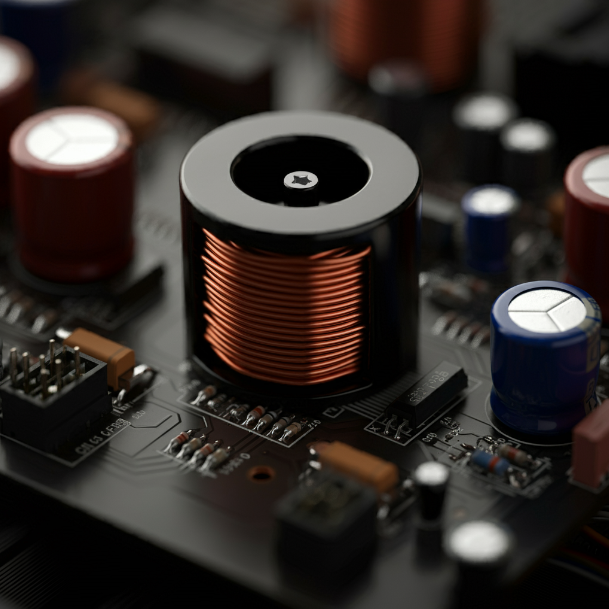
Advances in High Frequency Transformer Design Drive Electronics Innovation
2024-07-08
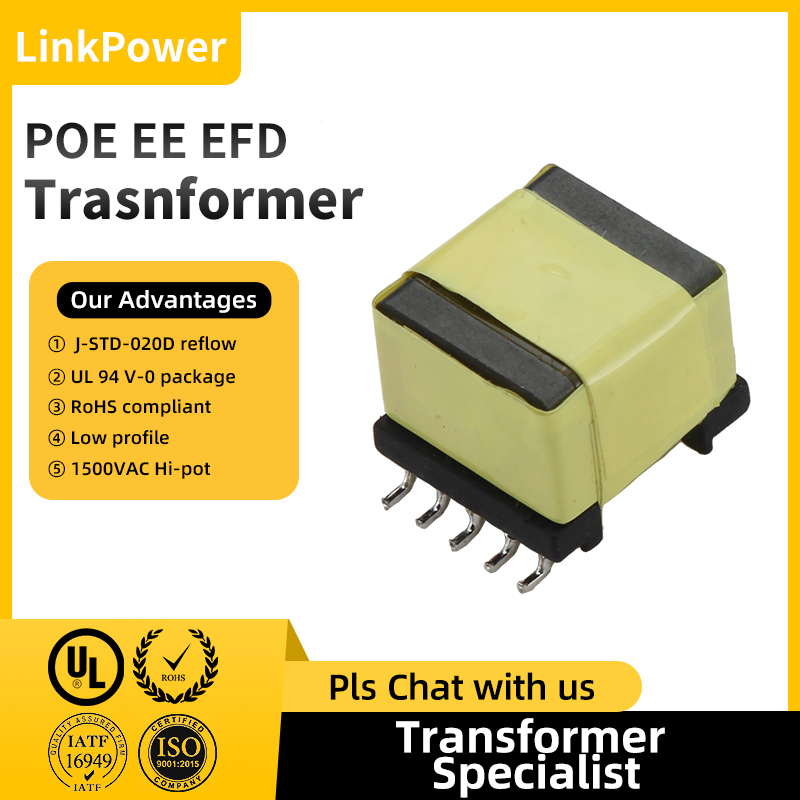
High-frequency transformer design has been the focus of innovation and advancement in the dynamic field of electrical engineering. These transformers play a pivotal role in a variety of applications where efficient power conversion, signal integrity and compact design are critical.
Driving efficiency and miniaturisation
Recent developments in high-frequency transformer design emphasise efficiency and miniaturisation, and manufacturers such as TechMagnetics and CoreTech Innovations are pioneering new approaches using advanced materials and cutting-edge winding technologies. These innovations are designed to meet the growing demands of industries ranging from telecommunications to renewable energy.
Recent developments in high-frequency transformer design emphasise efficiency and miniaturisation, and manufacturers such as TechMagnetics and CoreTech Innovations are pioneering new approaches using advanced materials and cutting-edge winding technologies. These innovations are designed to meet the growing demands of industries ranging from telecommunications to renewable energy.
Key Technology Innovations
Advanced core materials: The use of high-performance materials, such as nanocrystalline and amorphous alloys, enhances magnetic properties, reduces core losses and improves overall efficiency.
Advanced core materials: The use of high-performance materials, such as nanocrystalline and amorphous alloys, enhances magnetic properties, reduces core losses and improves overall efficiency.
Optimised Winding Configuration: Innovative winding technologies, including multi-layer windings and double-ring windings, minimise parasitic components such as leakage inductance and inter-winding capacitance, ensuring higher performance at high frequencies.
Integrated thermal management: Enhanced thermal strategies and advanced cooling solutions ensure reliable operation under high power conditions, which are critical for applications in power electronics and automotive systems.
Cross-Industry Applications
Telecom: High frequency transformers enable efficient data transfer in telecom networks, supporting the growing demand for high-speed connectivity and 5G infrastructure.
Telecom: High frequency transformers enable efficient data transfer in telecom networks, supporting the growing demand for high-speed connectivity and 5G infrastructure.
Consumer electronics: Compact and efficient transformers help to miniaturise electronic devices such as smartphones, tablets and IoT devices, saving space while enhancing functionality.
Renewable energy: In solar inverters and wind turbines, high-frequency transformers optimise energy conversion, improving system efficiency and reliability in renewable energy installations.
Future Directions
Looking ahead, the industry expects further developments in materials science and simulation to drive performance improvements. Innovations in digital twin simulation and artificial intelligence-driven design tools are expected to streamline the development process and accelerate time-to-market for next-generation high-frequency transformers.
Looking ahead, the industry expects further developments in materials science and simulation to drive performance improvements. Innovations in digital twin simulation and artificial intelligence-driven design tools are expected to streamline the development process and accelerate time-to-market for next-generation high-frequency transformers.
Improving transformer efficiency for sustainable energy solutions
Surface Mount Transformers Revolutionise Electronic Design
Related Article
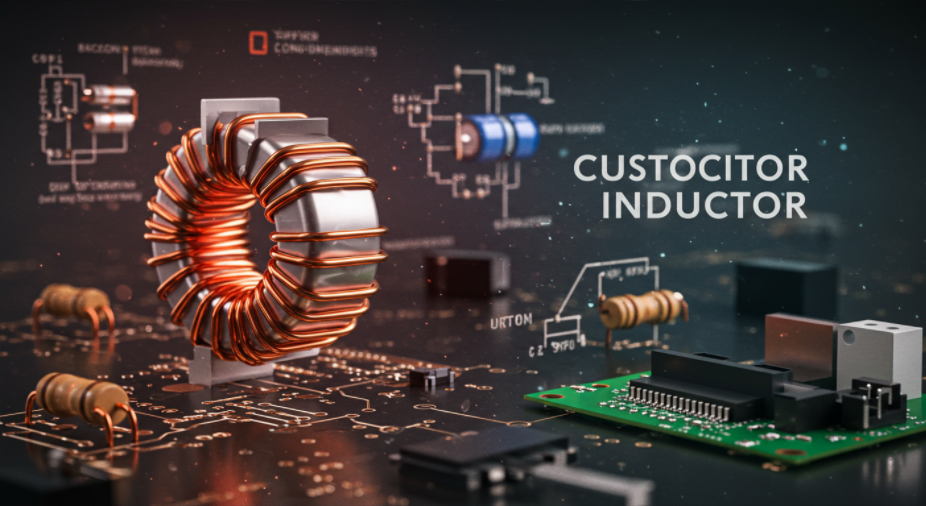
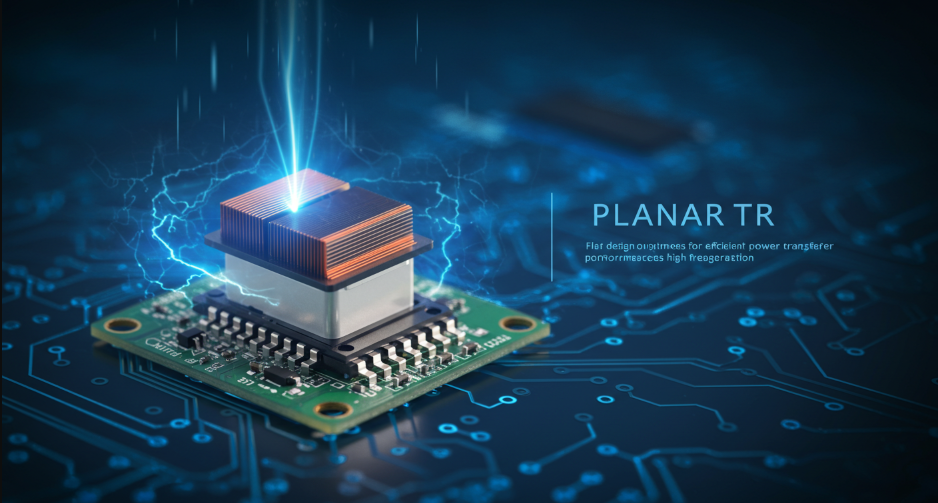
In the design field of high - frequency transformers and inductors, the introduction of an air gap in the magnetic core is a crucial yet delicate technique that requires careful trade - offs. The presence of an air gap not only significantly impacts magnetic properties but also has close relations with thermal stability and efficiency.
Air - Gap Design in High - Frequency Transformers: Trade - offs among Magnetic, Thermal, and Efficiency Aspects