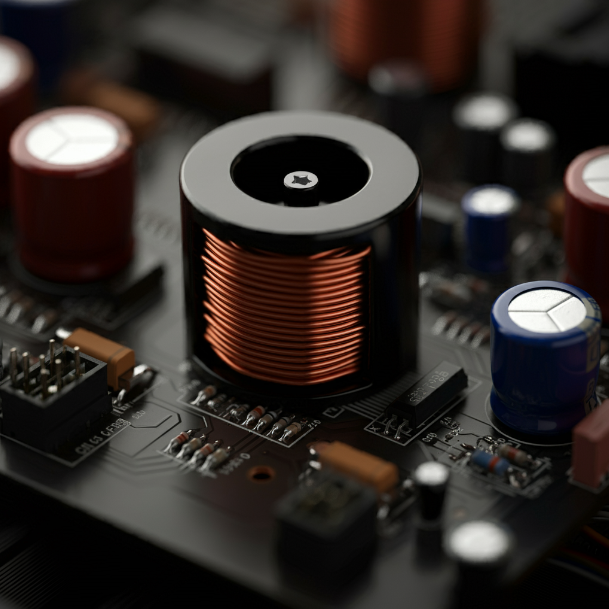
High-frequency transformers: Innovating modern electronics with higher performance
2024-07-04
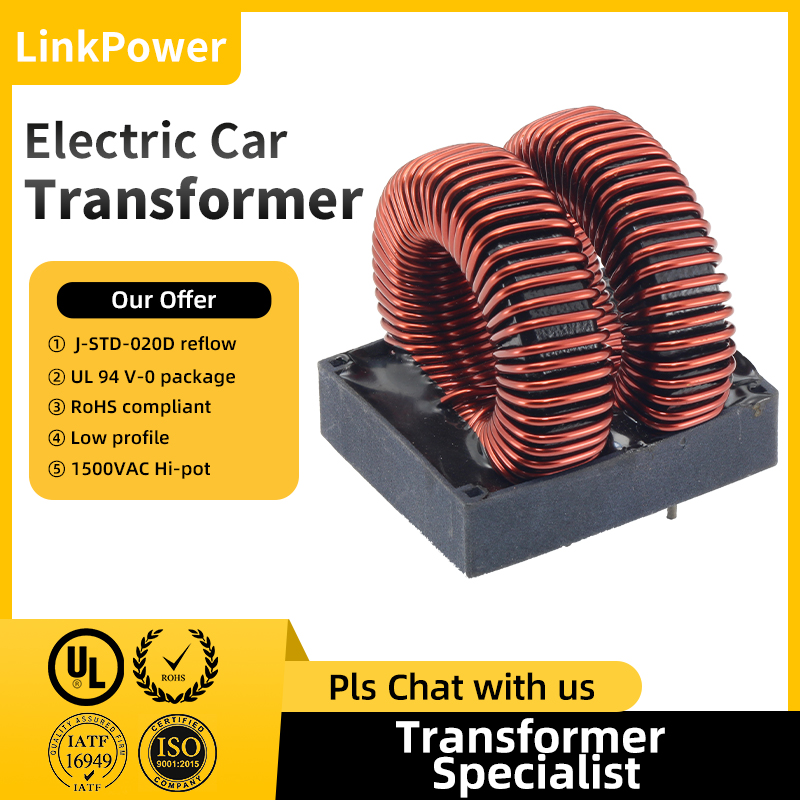
The importance of high frequency transformers
High-frequency transformers can operate efficiently at frequencies typically higher than 20 kHz, well beyond the operating range of conventional transformers. This capability is critical forPower conversion: Efficient conversion of power in applications such as switching power supplies, inverters and DC-DC converters.
Signal processing: Ensuring high quality signal transmission in communication systems and data processing equipment.
Electromagnetic compatibility (EMC): Reducing electromagnetic interference (EMI) and improving the overall EMC of electronic equipment.
Signal processing: Ensuring high quality signal transmission in communication systems and data processing equipment.
Electromagnetic compatibility (EMC): Reducing electromagnetic interference (EMI) and improving the overall EMC of electronic equipment.
Key Advances in High Frequency Transformer Technology
Improved Core Materials: The development of advanced core materials such as ferrite and nanocrystalline alloys has greatly improved the performance of high frequency transformers. These materials offer lower core losses and higher permeability, allowing transformers to operate more efficiently at higher frequencies.
Innovative Winding Technologies: New winding technologies, including staggered and planar windings, reduce parasitic capacitance and leakage inductance. This results in higher efficiency, increased power density and improved thermal management.
Miniaturisation and integration: Advances in manufacturing processes have enabled high frequency transformers to be miniaturised without compromising on performance. These compact transformers are easier to integrate into dense electronic circuits, supporting the trend toward smaller and more efficient equipment.
Cross-Industry Applications
High-frequency transformers are transforming industries by providing efficient and reliable solutions:
Telecommunications: Ensuring efficient power conversion and signal transmission in base stations, routers and other network equipment to support the demands of high-speed communication networks.
Renewable Energy Systems: Improving the efficiency of power inverters and converters in solar and wind energy systems, facilitating the integration of renewable energy into the grid.
Consumer Electronics: Reduce the size and increase the efficiency of power supplies in devices such as smartphones, laptops and game consoles to extend battery life and improve performance.
Automotive electronics: Supporting the development of electric vehicles (EVs) and advanced driver assistance systems (ADAS) by providing efficient power conversion and management solutions.
Renewable Energy Systems: Improving the efficiency of power inverters and converters in solar and wind energy systems, facilitating the integration of renewable energy into the grid.
Consumer Electronics: Reduce the size and increase the efficiency of power supplies in devices such as smartphones, laptops and game consoles to extend battery life and improve performance.
Automotive electronics: Supporting the development of electric vehicles (EVs) and advanced driver assistance systems (ADAS) by providing efficient power conversion and management solutions.
Future Trends in High Frequency Transformer Technology
The future of high-frequency transformer technology is promising, and there are several trends that are driving the further development of the technology:
Higher frequencies: Ongoing research aims to push the operating frequency limits of transformers even higher, enabling further miniaturisation and improved performance.
Smart transformers: real-time monitoring, diagnostics and optimisation combined with smart technologies and the Internet of Things (IoT) to improve reliability and efficiency.
Sustainable Materials: Developing environmentally friendly materials and manufacturing processes to create more sustainable high frequency transformers.
Enhanced thermal management: Innovative cooling technologies and materials to manage the heat generated by high-frequency operation, ensuring long-term reliability and performance.
Smart transformers: real-time monitoring, diagnostics and optimisation combined with smart technologies and the Internet of Things (IoT) to improve reliability and efficiency.
Sustainable Materials: Developing environmentally friendly materials and manufacturing processes to create more sustainable high frequency transformers.
Enhanced thermal management: Innovative cooling technologies and materials to manage the heat generated by high-frequency operation, ensuring long-term reliability and performance.
Conclusion
High-frequency transformers are revolutionising modern electronics with their improved performance, efficiency and compact design. These advances are critical to meeting the demands of high-speed communication networks, renewable energy systems, consumer electronics and automotive applications.
High Voltage Transformers: Driving Innovation and Reliability in Power Transmission
Advances in Electric Induction: Transforming Modern Industry
Related Article
In the design field of high - frequency transformers and inductors, the introduction of an air gap in the magnetic core is a crucial yet delicate technique that requires careful trade - offs. The presence of an air gap not only significantly impacts magnetic properties but also has close relations with thermal stability and efficiency.
Air - Gap Design in High - Frequency Transformers: Trade - offs among Magnetic, Thermal, and Efficiency Aspects