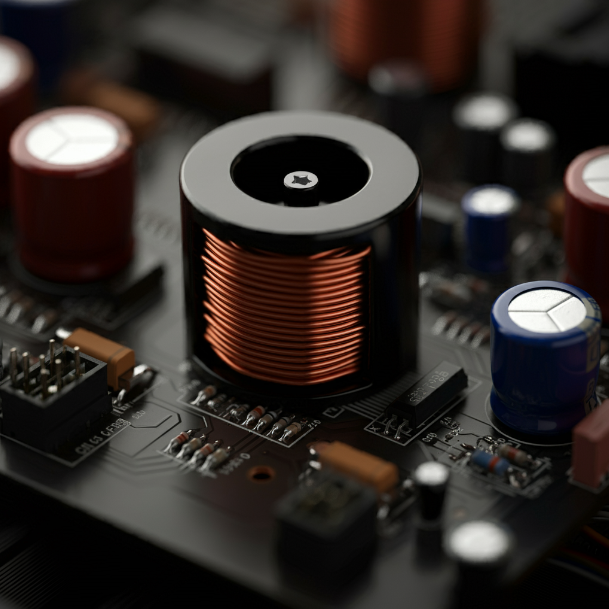
High Power High Frequency Transformers: Driving the Future of Power Electronics
2024-06-28
Technological Advances
Recent advances in the design and manufacture of HPHF transformers have greatly improved their performance and efficiency:
Advanced Core Materials: Modern HPHF transformers use advanced core materials such as ferrite, nanocrystalline and amorphous metals. These materials have lower core losses at high frequencies, thus increasing the efficiency of the transformer.
Improved Winding Technology: The use of innovative winding technology, including lyocell and planar windings, reduces skin effect and proximity effect losses. This results in better transformer performance at high frequencies and high power densities.
Thermal Management: Effective thermal management solutions, such as improved heat sinks and advanced cooling methods, are critical to handling the heat generated by high power operation. These advanced technologies ensure the reliability and longevity of HPHF transformers.
Miniaturisation: HPHF transformers are becoming increasingly compact despite their high power handling capabilities. Advances in materials and design are allowing transformers to be smaller and lighter without compromising performance, which is especially important for aerospace and portable electronics applications.
Integration with power electronics: Modern HPHF transformers are often integrated with other power electronic components such as rectifiers and inverters to create compact and efficient power modules. This integration simplifies system design and improves overall performance.
Market Impact and Trends
The HPHF transformer market is growing at a rapid pace, driven by several key trends:
Renewable Energy Systems: The growth of renewable energy sources such as solar and wind is driving the demand for efficient power conversion systems.HPHF transformers are essential for power conversion and regulation in these systems to ensure maximum efficiency and reliability.
Electric Vehicles (EV): The rise of electric vehicles requires advanced power electronics for efficient energy management. HPHF transformers are used in EV chargers and on-board power converters to help reduce weight and improve overall vehicle efficiency.
Industrial Automation: In industrial automation, where high power density and efficient energy transfer are critical, HPHF transformers provide compact and efficient power supplies for robots, CNC machine tools and other automation equipment.
Telecommunications: Base stations and other critical infrastructure in the telecoms industry require high-power, high-frequency power supplies, and HPHF transformers ensure reliable power in these demanding applications.
Consumer Electronics: As consumer electronics become more powerful and compact, the need for efficient power supplies is increasing, and HPHF transformers play a key role in delivering high performance in a small footprint.
Future Outlook
The future of HPHF transformers is promising, and continuous innovation is expected to further enhance their performance. R&D efforts are likely to focus on
Higher power density: Achieving higher power density through advanced materials and innovative designs.
Increased efficiency: Further reduction of losses and improvement of overall efficiency, especially in applications requiring continuous operation.
Integration and modularity: Developing more integrated and modular solutions to simplify system design and improve performance.
Reduce costs: in maintaining or improving performance, while seeking to reduce manufacturing costs, so that advanced high-power high-frequency transformers are more readily available.
In summary, high-power high-frequency transformers are essential components of modern power electronics for efficient and reliable energy transfer in a wide range of applications. From renewable energy systems to electric vehicles and industrial automation, these transformers are at the forefront of technological advances that are driving the future of power electronics.
Increased efficiency: Further reduction of losses and improvement of overall efficiency, especially in applications requiring continuous operation.
Integration and modularity: Developing more integrated and modular solutions to simplify system design and improve performance.
Reduce costs: in maintaining or improving performance, while seeking to reduce manufacturing costs, so that advanced high-power high-frequency transformers are more readily available.
In summary, high-power high-frequency transformers are essential components of modern power electronics for efficient and reliable energy transfer in a wide range of applications. From renewable energy systems to electric vehicles and industrial automation, these transformers are at the forefront of technological advances that are driving the future of power electronics.
Advances and Trends in Power over Ethernet Transformers
LAN Data Converters: Improving Network Performance and Reliability
Related Article
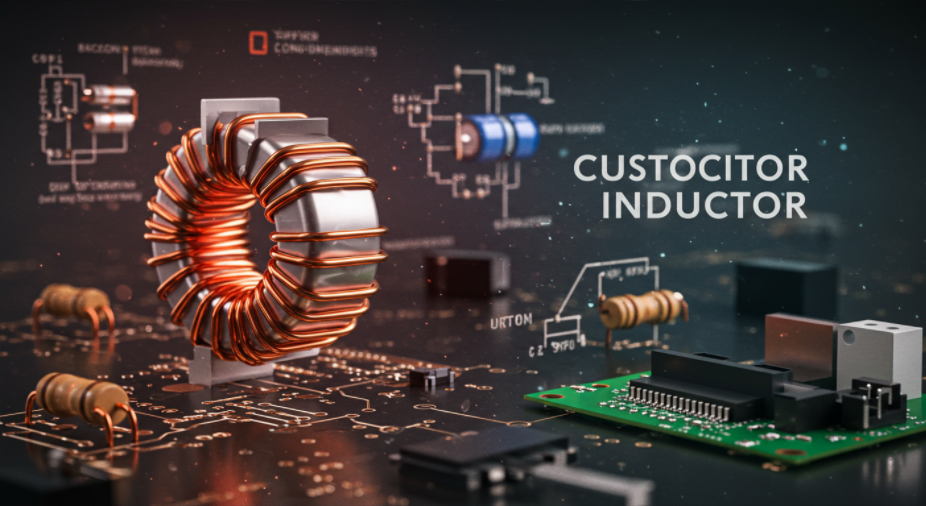
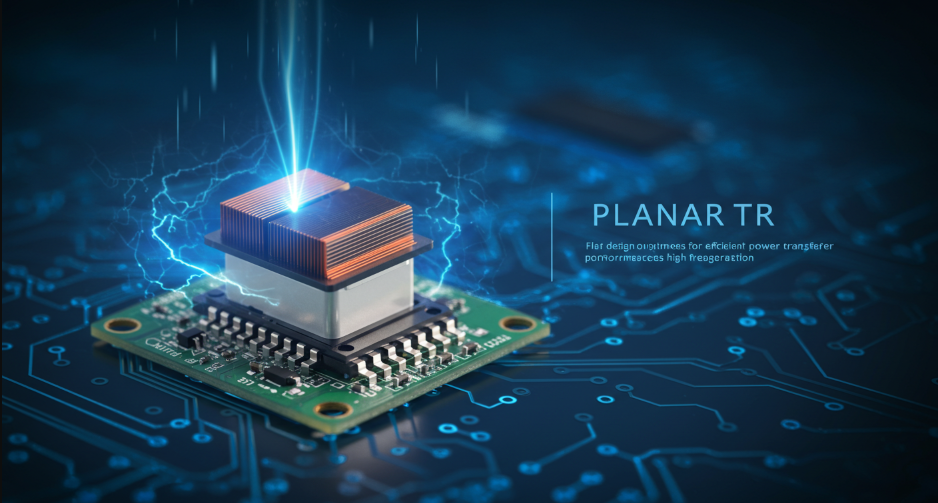
In the design field of high - frequency transformers and inductors, the introduction of an air gap in the magnetic core is a crucial yet delicate technique that requires careful trade - offs. The presence of an air gap not only significantly impacts magnetic properties but also has close relations with thermal stability and efficiency.
Air - Gap Design in High - Frequency Transformers: Trade - offs among Magnetic, Thermal, and Efficiency Aspects