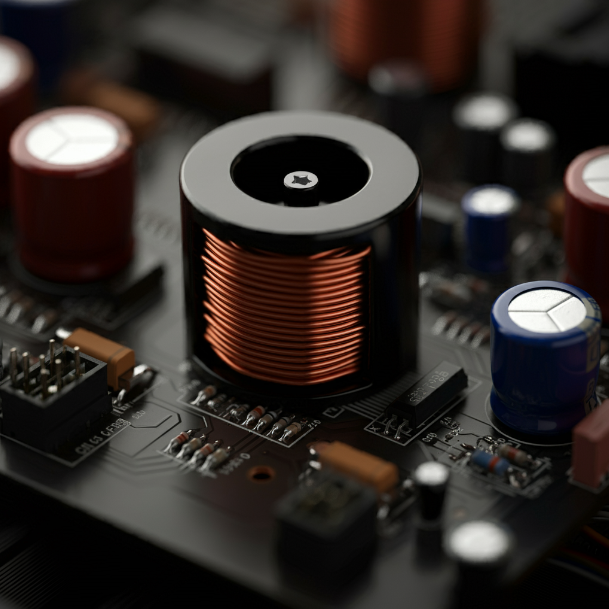
Inductometers: Revolutionising Electronic Test and Design
2024-07-03
The Importance of Inductance Measurement
Inductance is the property of a conductor whereby a change in current produces an electromotive force (EMF), and is fundamental to the design and function of a wide range of electronic components such as inductors, transformers and chokes. Accurate measurement of inductance is critical to
Component Design: Ensuring that inductors and other components meet specified performance criteria.
Quality Control: Verifying that manufactured components meet specified standards.
Circuit Analysis: Diagnosing problems in electronic circuits to ensure proper function.
Quality Control: Verifying that manufactured components meet specified standards.
Circuit Analysis: Diagnosing problems in electronic circuits to ensure proper function.
Advances in Inductance Meter Technology
Recent advances in inductance meter technology have improved accuracy, functionality and ease of use:
High Precision and Accuracy: Modern inductance meters offer high precision and accuracy, enabling engineers to obtain reliable measurements that are critical to designing high-performance components.
Wide Measurement Range: Advanced inductance meters can measure inductance values ranging from microhenries (μH) to hectares (H), making them suitable for applications ranging from small electronic devices to large power transformers.
User-friendly interface: Improved interface, including digital display and intuitive controls, makes inductance meters easier to use, even for complex measurements.
Integration with other test equipment: Many inductance meters can be integrated with other electronic test equipment, such as LCR meters, oscilloscopes and network analysers, to provide comprehensive analysis capabilities.
Inductance Meter Applications
Inductance meters are used in a wide range of industries to ensure the performance and reliability of electronic systems:
Consumer electronics: Ensure that components in devices such as smartphones, tablets and laptops meet design specifications and operate reliably.
Telecommunications: Verify the inductance of components in networking equipment and communications devices to maintain signal integrity.
Automotive: Measure the inductance of components used in electric vehicles (EVs) and automotive electronics to ensure stable operation and compliance.
Industrial: Test inductors and transformers in manufacturing and automation systems to ensure reliable operation and minimise downtime.
Telecommunications: Verify the inductance of components in networking equipment and communications devices to maintain signal integrity.
Automotive: Measure the inductance of components used in electric vehicles (EVs) and automotive electronics to ensure stable operation and compliance.
Industrial: Test inductors and transformers in manufacturing and automation systems to ensure reliable operation and minimise downtime.
Future Trends in Inductance Meter Technology
The future of inductance metrology technology is promising, with the following trends driving further advancements in inductance metrology technology:
Increased automation: Automated test and measurement systems reduce manual intervention and increase efficiency.
Increased connectivity: Integration with cloud platforms and IoT devices for real-time monitoring and data analysis.
Miniaturisation: Development of small, portable inductance meters for easy testing and diagnostics in the field.
Advanced data analysis: Use advanced data analysis tools and software to gain insight into measurement results and component performance.
Increased connectivity: Integration with cloud platforms and IoT devices for real-time monitoring and data analysis.
Miniaturisation: Development of small, portable inductance meters for easy testing and diagnostics in the field.
Advanced data analysis: Use advanced data analysis tools and software to gain insight into measurement results and component performance.
Conclusion
Inductance meters are revolutionising the way electronic components are tested and designed, ensuring high accuracy and reliability. These advances are critical to maintaining signal and power integrity in applications ranging from consumer electronics to industrial systems. As technology continues to evolve, inductance meters will play an increasingly important role in the development and quality assurance of electronic devices.
Advances in Electric Induction: Transforming Modern Industry
Advances in Inductive Technology: A New Era of Signal and Power Integrity in Electronics
Related Article
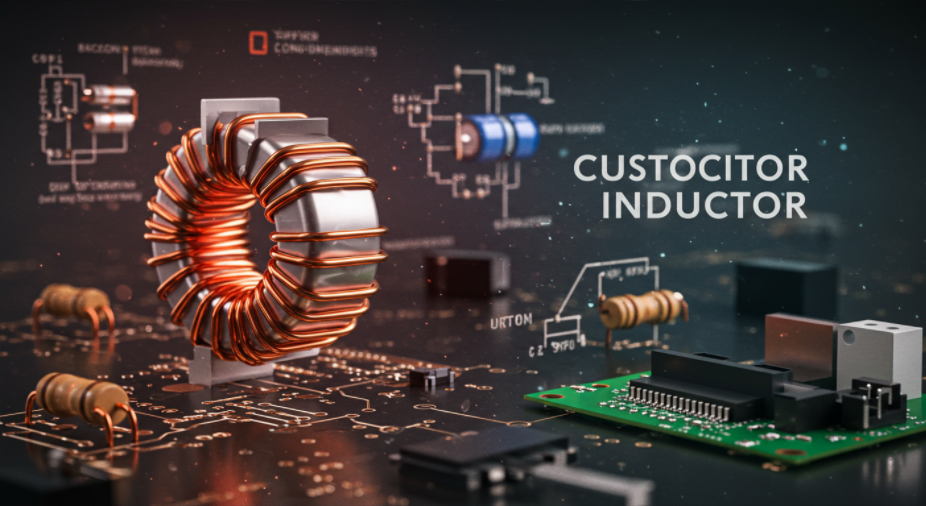
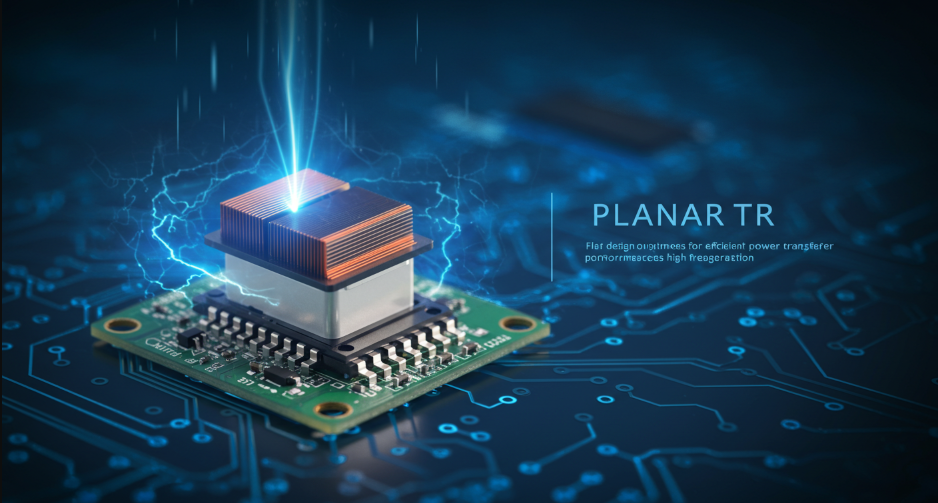
In the design field of high - frequency transformers and inductors, the introduction of an air gap in the magnetic core is a crucial yet delicate technique that requires careful trade - offs. The presence of an air gap not only significantly impacts magnetic properties but also has close relations with thermal stability and efficiency.
Air - Gap Design in High - Frequency Transformers: Trade - offs among Magnetic, Thermal, and Efficiency Aspects