
Inductor Market Expanding as Electronics Sector Seeks High Efficiency and Miniaturisation
2024-07-17

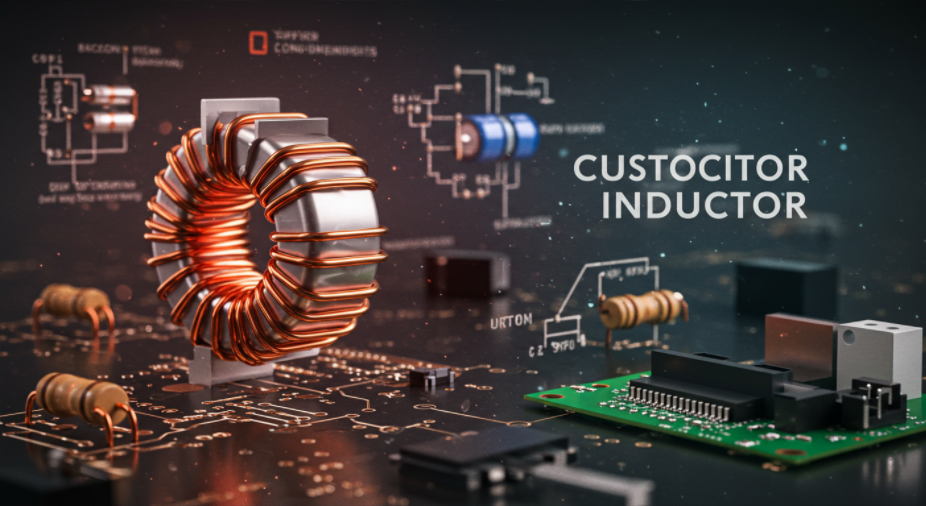
The global inductor market is experiencing strong growth driven by the growing demand for efficient power management solutions and the trend towards miniaturisation of electronic devices. Inductors are important components used for energy storage and filtering in electronic circuits and play a vital role in meeting these changing industry demands.
Growing Demand for Efficient Power Management
Inductors are key components in power supply circuits for storing energy and filtering unwanted noise. With the growing emphasis on energy efficiency and reducing power loss, the demand for high-performance inductors capable of handling higher frequencies and currents is increasing. This trend is particularly evident in applications such as data centres, telecom equipment and consumer electronics.
Miniaturisation Trend in Electronics
The trend toward miniaturisation and compactness in electronic devices is driving innovation in inductor technology. Manufacturers are developing inductors with smaller form factors, higher power densities, and better thermal management. These advances allow electronics designers to achieve higher levels of integration and performance without compromising reliability or efficiency.
Advances in Materials and Design
Recent advances in materials and design technology have improved inductor performance and efficiency. High permeability core materials, advanced winding techniques, and improved insulation materials have enabled the development of inductors with lower losses and higher operating frequencies. These advances support the development of next-generation electronics that require reliable, compact power management solutions.
Role in Automotive and Industrial Applications
Inductors play a critical role in automotive electronics, supporting applications such as engine control units (ECUs), LED lighting systems, and electric vehicle (EV) on-board chargers. In industrial applications, inductors are used in motor drives, renewable energy systems and power conditioning equipment. Strong growth in these segments, coupled with advancements in inductor technology, is fuelling the expansion of the global market.
Challenges and Opportunities
Despite the positive outlook, the inductor market faces challenges such as volatile raw material prices and the need for constant innovation to keep pace with technological advancements. However, the growing popularity of electric vehicles, the proliferation of IoT devices, and the expansion of 5G networks present significant growth opportunities for inductor manufacturers.
Regional Insights
Asia Pacific dominates the global inductor market, thanks to leading electronics manufacturers in countries such as China, Japan, and South Korea. North America and Europe also hold a significant market share, driven by advancements in automotive electronics, telecom infrastructure, and industrial automation.
Future Outlook
The outlook for the inductor market is favourable as materials, design and manufacturing processes continue to advance. As industries continue to demand smaller, more efficient and reliable electronic components, inductors will play a vital role in fostering innovation and supporting the development of electronic devices and systems.
Conclusion
Inductors are indispensable components in modern electronics, enabling efficient power management and signal integrity in a wide range of applications. The inductor market is poised for continued growth and innovation in the coming years as inductor technology continues to advance and the adoption of inductors in critical areas increases.
Growing Demand for Efficient Power Management
Inductors are key components in power supply circuits for storing energy and filtering unwanted noise. With the growing emphasis on energy efficiency and reducing power loss, the demand for high-performance inductors capable of handling higher frequencies and currents is increasing. This trend is particularly evident in applications such as data centres, telecom equipment and consumer electronics.
Miniaturisation Trend in Electronics
The trend toward miniaturisation and compactness in electronic devices is driving innovation in inductor technology. Manufacturers are developing inductors with smaller form factors, higher power densities, and better thermal management. These advances allow electronics designers to achieve higher levels of integration and performance without compromising reliability or efficiency.
Advances in Materials and Design
Recent advances in materials and design technology have improved inductor performance and efficiency. High permeability core materials, advanced winding techniques, and improved insulation materials have enabled the development of inductors with lower losses and higher operating frequencies. These advances support the development of next-generation electronics that require reliable, compact power management solutions.
Role in Automotive and Industrial Applications
Inductors play a critical role in automotive electronics, supporting applications such as engine control units (ECUs), LED lighting systems, and electric vehicle (EV) on-board chargers. In industrial applications, inductors are used in motor drives, renewable energy systems and power conditioning equipment. Strong growth in these segments, coupled with advancements in inductor technology, is fuelling the expansion of the global market.
Challenges and Opportunities
Despite the positive outlook, the inductor market faces challenges such as volatile raw material prices and the need for constant innovation to keep pace with technological advancements. However, the growing popularity of electric vehicles, the proliferation of IoT devices, and the expansion of 5G networks present significant growth opportunities for inductor manufacturers.
Regional Insights
Asia Pacific dominates the global inductor market, thanks to leading electronics manufacturers in countries such as China, Japan, and South Korea. North America and Europe also hold a significant market share, driven by advancements in automotive electronics, telecom infrastructure, and industrial automation.
Future Outlook
The outlook for the inductor market is favourable as materials, design and manufacturing processes continue to advance. As industries continue to demand smaller, more efficient and reliable electronic components, inductors will play a vital role in fostering innovation and supporting the development of electronic devices and systems.
Conclusion
Inductors are indispensable components in modern electronics, enabling efficient power management and signal integrity in a wide range of applications. The inductor market is poised for continued growth and innovation in the coming years as inductor technology continues to advance and the adoption of inductors in critical areas increases.
Common Mode Chokes Market Expanding with Growing Emphasis on EMI Suppression in Electronic Products
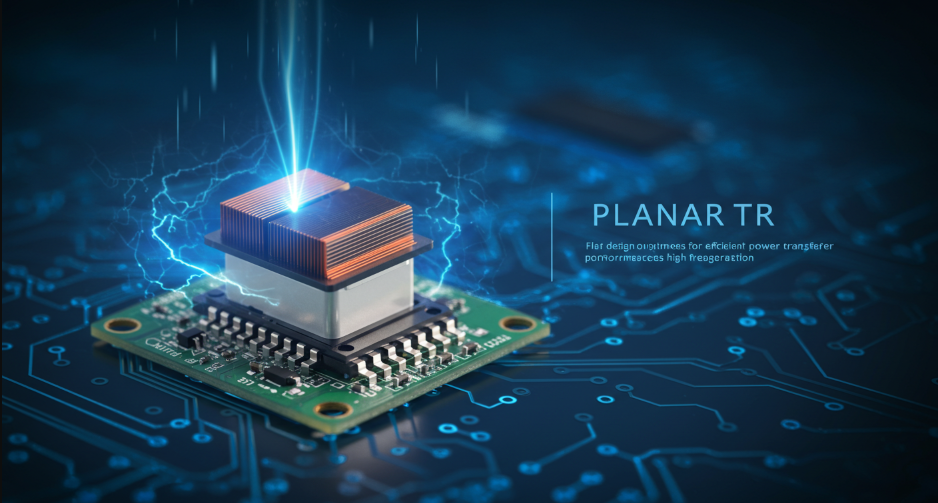
With the development of power electronics, planar transformers are gaining ground
Related Article
In the design field of high - frequency transformers and inductors, the introduction of an air gap in the magnetic core is a crucial yet delicate technique that requires careful trade - offs. The presence of an air gap not only significantly impacts magnetic properties but also has close relations with thermal stability and efficiency.
Air - Gap Design in High - Frequency Transformers: Trade - offs among Magnetic, Thermal, and Efficiency Aspects