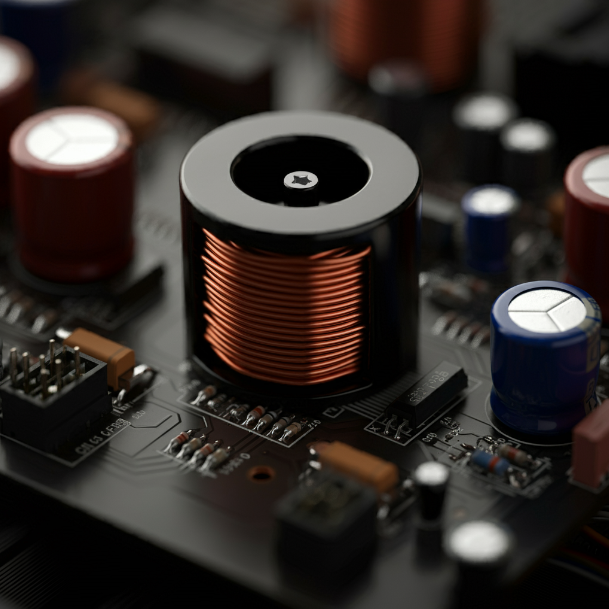
Advances in Inverter Transformer Technology
2024-07-09
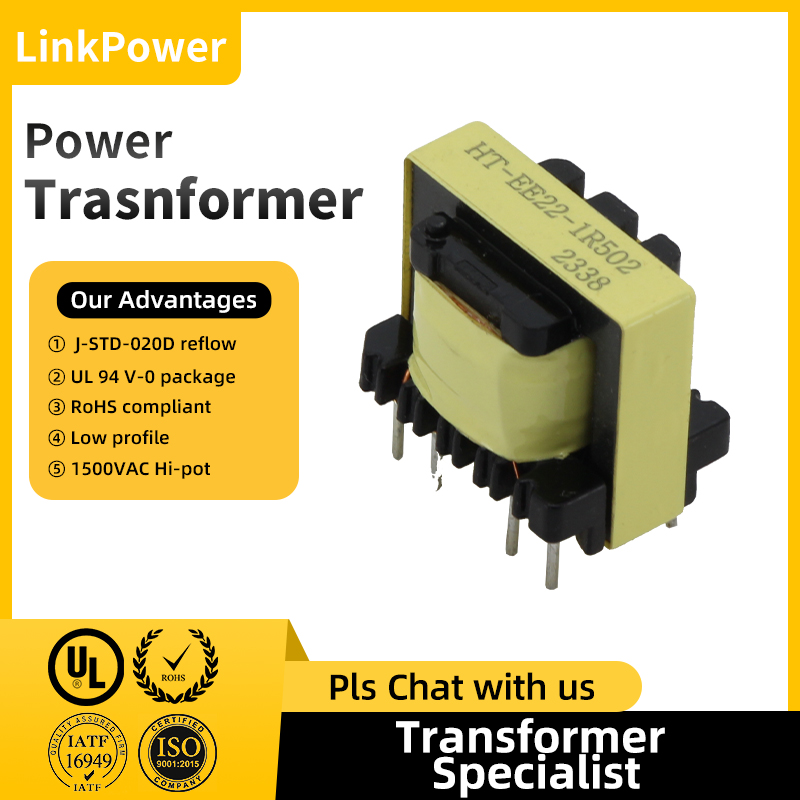
The Role of Inverter Transformers
Inverter transformers perform several key functions in AC power generation and distribution:
Voltage Conversion: An inverter transformer converts the DC voltage from a power source, such as a battery or solar panel, into an AC voltage suitable for powering devices and equipment that require AC power.
Frequency Regulation: The inverter regulates the AC output frequency to ensure compliance with the requirements of the connected devices and the power grid.
Isolation and Safety: The inverter transformer provides electrical isolation between the DC input and AC output, protecting equipment from power surges and increasing system safety.
Technological Advances
Recent advances in inverter transformer technology have focused on improving efficiency, reliability and performance:
High Frequency Operation: Inverter transformers operate at high frequencies to improve efficiency while minimising size and weight. Advanced designs can operate at frequencies ranging from a few kilohertz to several megahertz, making inverters compact and lightweight for a wide variety of applications.
Advanced Core Materials: The use of high permeability magnetic materials such as ferrite and amorphous alloys reduces core losses and improves overall efficiency. These materials increase flux density, minimising electromagnetic interference (EMI) and contributing to cleaner AC output.
Enhanced Cooling Solutions: Efficient cooling technologies, including forced air cooling and liquid cooling systems, help manage heat dissipation in high-power inverters. Effective thermal management ensures optimal operation and extends the life of the inverter transformer.
Digital control and monitoring: The integration of digital control technologies enables precise regulation of output voltage and frequency, as well as real-time monitoring of operating conditions. The digital control system increases reliability and facilitates predictive maintenance of the inverter system.
Cross-industry applications
Inverter transformers are used in a wide range of industries:
Renewable energy: In solar photovoltaic (PV) systems and wind turbines, inverters convert the DC power generated by solar panels or wind turbines into AC power for grid connection or local use.
Industrial automation: Inverters with transformers power motor drives, pumps and other industrial equipment, improving energy efficiency while providing precise control of speed and torque.
Consumer electronics: Inverters in consumer electronics, such as air conditioners and refrigerators, ensure that AC power is delivered efficiently from DC sources such as batteries or automotive systems.
Future directions
Future priorities for inverter transformer technology include
Miniaturisation: Developing smaller, more compact transformer designs to meet the needs of portable and integrated inverter solutions.
Higher Efficiency: Continuing to improve core materials and designs to achieve higher efficiency ratings and reduce energy losses.
Grid Integration: Enhance compatibility with smart grid technologies and bi-directional power flow to support decentralised power generation and energy storage systems.
Summary
Inverter transformers play a vital role in converting DC to AC power and are used in a wide range of applications to improve efficiency and reliability in a variety of industries. With continued advances in materials, design and digital control, inverter transformer technology is expected to support the transition to cleaner, more sustainable energy solutions.
Improving Electrical Safety and Performance with Transformer Isolation
Innovations in SMPS transformer technology
Related Article
In the design field of high - frequency transformers and inductors, the introduction of an air gap in the magnetic core is a crucial yet delicate technique that requires careful trade - offs. The presence of an air gap not only significantly impacts magnetic properties but also has close relations with thermal stability and efficiency.
Air - Gap Design in High - Frequency Transformers: Trade - offs among Magnetic, Thermal, and Efficiency Aspects