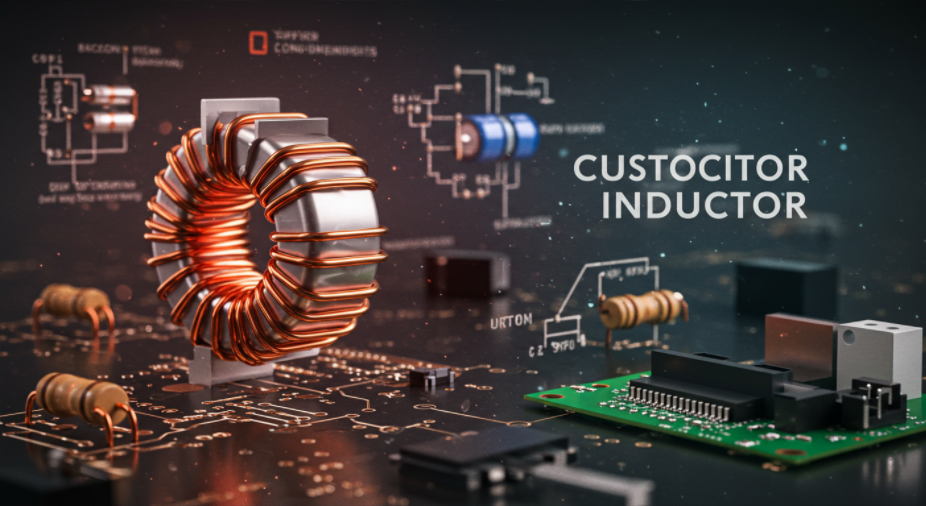
Isolation transformers in the modern electrical system is increasingly important
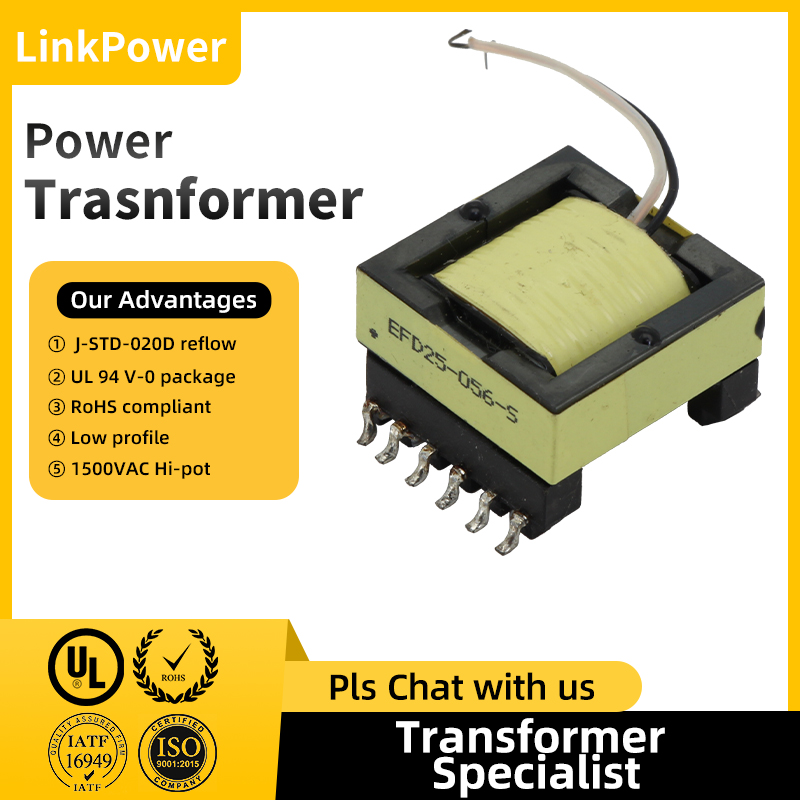
Overview of Isolation Transformers
Isolation transformers provide galvanic isolation between their primary and secondary windings, which means there is no direct electrical connection between the input and output. This isolation helps in preventing electrical shocks, reducing electrical noise, and protecting equipment from voltage spikes and surges. These features make isolation transformers indispensable in environments where electrical safety and equipment protection are paramount.
Key Features and Advantages
-
Enhanced Safety: By providing galvanic isolation, isolation transformers protect against electric shocks, making them essential in healthcare, marine, and industrial applications where safety is a top priority.
-
Noise Reduction: Isolation transformers are effective in reducing electrical noise, which can interfere with the performance of sensitive electronic equipment. This is crucial in medical devices, communication systems, and precision industrial machinery.
-
Voltage Regulation: These transformers help in regulating voltage, protecting equipment from power surges and spikes that could otherwise cause damage or operational disruptions.
-
Corrosion Prevention: In marine applications, isolation transformers prevent galvanic corrosion, a process that can cause significant damage to metal parts of boats and ships.
-
Improved Power Quality: By isolating the load from the power supply, these transformers help in improving the overall power quality, ensuring a stable and reliable power supply to critical systems.
Applications and Impact
-
Marine Industry: Isolation transformers are extensively used in the marine industry to protect electrical systems on boats and ships. They prevent galvanic corrosion and ensure a safe and reliable power supply for navigation, communication, and onboard entertainment systems.
-
Healthcare: In healthcare settings, isolation transformers are crucial for ensuring the safety and reliability of medical equipment. They protect sensitive devices from electrical noise and power surges, which can be life-saving in critical care situations.
-
Industrial Applications: Industrial facilities rely on isolation transformers to protect machinery and control systems from electrical noise and voltage spikes. This protection is essential for maintaining the longevity and reliability of industrial equipment.
-
Renewable Energy Systems: With the rise of renewable energy sources, isolation transformers are used to ensure safe and efficient power conversion and distribution in solar and wind power installations. They help in managing varying input voltages and protecting the grid from potential faults.
Industry Trends and Future Prospects
The increasing emphasis on electrical safety and equipment protection is driving the demand for advanced isolation transformers. Innovations in materials and design are expected to further enhance their performance, making them more efficient, compact, and robust.
In the future, isolation transformers are likely to play a crucial role in the development of smart grids and advanced power systems. Their ability to provide reliable power quality and protect against electrical hazards will be key in supporting the integration of distributed energy resources and enhancing the resilience of power networks.
Conclusion
Isolation transformers are essential components in modern electrical systems, offering unmatched benefits in terms of safety, noise reduction, voltage regulation, and equipment protection. As industries continue to evolve and the demand for reliable and safe power grows, the importance of isolation transformers will only increase. With ongoing advancements in technology, these transformers are set to play a pivotal role in ensuring the safety and efficiency of electrical systems across various sectors.
The Rise of Multi-Tap Transformers in Modern Electrical Systems
LM2596 DC-DC Converter for Power Management Applications
Related Article