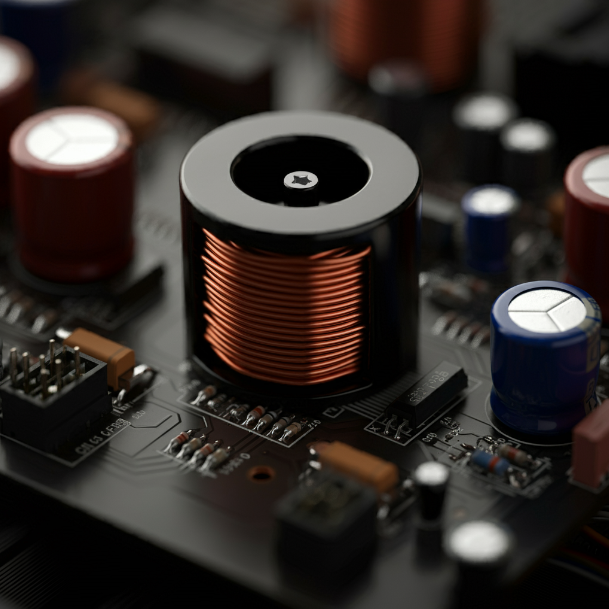
Isolation Transformers Improve Safety and Performance of Modern Electrical Systems
2024-07-05
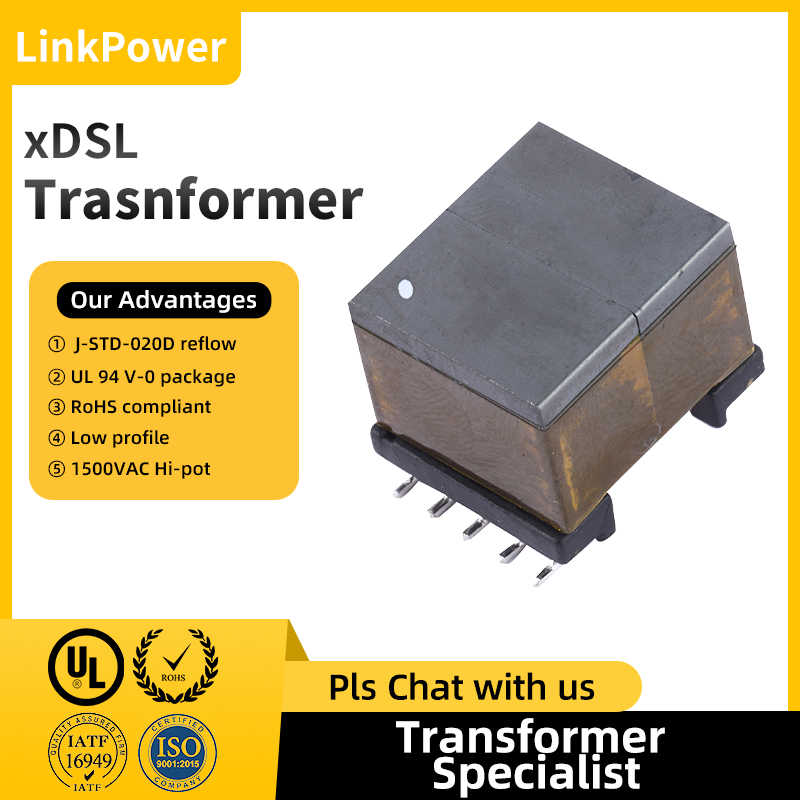
Isolation transformers are becoming increasingly important in modern electrical systems, providing critical functions such as electrical isolation, noise reduction and protection against power surges. These transformers are designed to transfer power between two circuits while isolating them to prevent direct electrical connections, ensuring safety and reliability in a variety of applications.
Leading manufacturers such as SafePower Technologies and Shielded Solutions are at the forefront of developing advanced isolation transformers that meet the needs of a wide range of industries, including healthcare, telecommunications, industrial automation, and renewable energy. These companies utilise innovative materials and design techniques to produce transformers that meet stringent safety and performance standards.
In healthcare, isolation transformers play a vital role in medical equipment and hospital environments. By providing electrical isolation, they help protect sensitive medical equipment from power surges and electrical noise, ensuring accurate and reliable operation. This is particularly important for life-critical systems such as MRI machines, patient monitoring systems and surgical equipment, where electrical interference can have serious consequences.
Telecoms infrastructure also relies heavily on isolation transformers to ensure the integrity and reliability of communications systems. These transformers help mitigate the effects of electrical noise and transients that can disrupt signal transmission and degrade performance. By providing a clean and stable power supply, isolation transformers improve the reliability of telecoms networks, including those supporting 5G and other high-speed data services.
In industrial automation, isolation transformers are used to protect sensitive control systems and machinery from electrical disturbances and voltage spikes. They help maintain stable operation in harsh industrial environments where electrical disturbances are common. This ensures the longevity and reliability of critical equipment and reduces downtime and maintenance costs.
The renewable energy sector also benefits from isolation transformers, especially in solar power systems and wind turbines. These transformers help manage power conversion and distribution, providing isolation between the renewable energy source and the grid. This not only ensures the safe integration of renewable energy into the grid, but also improves the efficiency and reliability of the overall system.
Additionally, isolation transformers are critical in commercial and residential buildings to ensure the safety of electricity and protect electronic equipment from electrical interference. They are commonly used in uninterruptible power supplies (UPS), audiovisual systems and home automation networks to provide stable, isolated power to critical loads.
As the demand for safe and reliable electrical systems continues to grow, the use of isolation transformers is expected to increase in a variety of industries. These transformers are critical for ensuring electrical safety, improving performance and protecting sensitive equipment from electrical interference.
Leading manufacturers such as SafePower Technologies and Shielded Solutions are at the forefront of developing advanced isolation transformers that meet the needs of a wide range of industries, including healthcare, telecommunications, industrial automation, and renewable energy. These companies utilise innovative materials and design techniques to produce transformers that meet stringent safety and performance standards.
In healthcare, isolation transformers play a vital role in medical equipment and hospital environments. By providing electrical isolation, they help protect sensitive medical equipment from power surges and electrical noise, ensuring accurate and reliable operation. This is particularly important for life-critical systems such as MRI machines, patient monitoring systems and surgical equipment, where electrical interference can have serious consequences.
Telecoms infrastructure also relies heavily on isolation transformers to ensure the integrity and reliability of communications systems. These transformers help mitigate the effects of electrical noise and transients that can disrupt signal transmission and degrade performance. By providing a clean and stable power supply, isolation transformers improve the reliability of telecoms networks, including those supporting 5G and other high-speed data services.
In industrial automation, isolation transformers are used to protect sensitive control systems and machinery from electrical disturbances and voltage spikes. They help maintain stable operation in harsh industrial environments where electrical disturbances are common. This ensures the longevity and reliability of critical equipment and reduces downtime and maintenance costs.
The renewable energy sector also benefits from isolation transformers, especially in solar power systems and wind turbines. These transformers help manage power conversion and distribution, providing isolation between the renewable energy source and the grid. This not only ensures the safe integration of renewable energy into the grid, but also improves the efficiency and reliability of the overall system.
Additionally, isolation transformers are critical in commercial and residential buildings to ensure the safety of electricity and protect electronic equipment from electrical interference. They are commonly used in uninterruptible power supplies (UPS), audiovisual systems and home automation networks to provide stable, isolated power to critical loads.
As the demand for safe and reliable electrical systems continues to grow, the use of isolation transformers is expected to increase in a variety of industries. These transformers are critical for ensuring electrical safety, improving performance and protecting sensitive equipment from electrical interference.
EP Transformers Improve Efficiency and Reliability of Power Distribution Systems
Planar Transformers Lead the Way in Efficient Power Solutions
Related Article
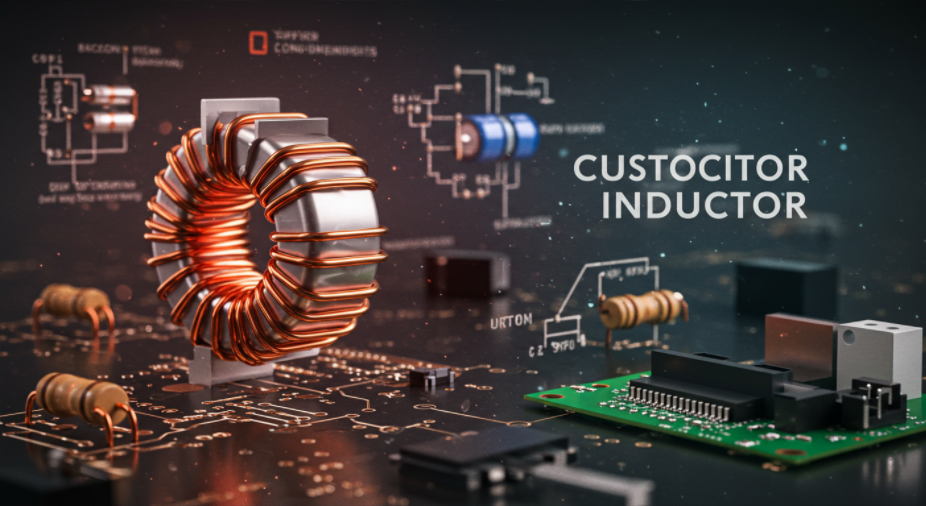
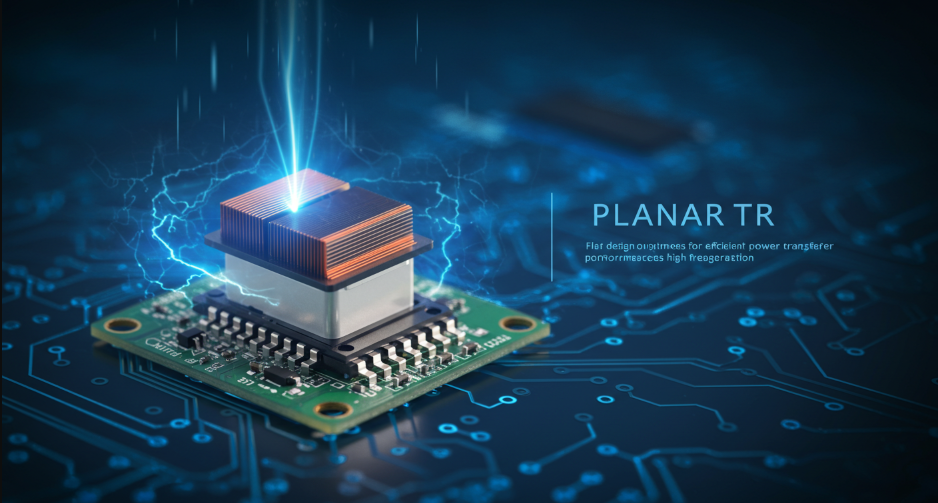
In the design field of high - frequency transformers and inductors, the introduction of an air gap in the magnetic core is a crucial yet delicate technique that requires careful trade - offs. The presence of an air gap not only significantly impacts magnetic properties but also has close relations with thermal stability and efficiency.
Air - Gap Design in High - Frequency Transformers: Trade - offs among Magnetic, Thermal, and Efficiency Aspects