LM2596 DC-DC Converter for Power Management Applications
2024-06-21
LM2596 DC-DC Converter Overview
The LM2596 is a step-down (buck) switching regulator that provides a simple and efficient solution for voltage conversion. It delivers up to 3A of output current and can effectively step down voltages from 4.5V to 40V to lower, more usable levels. This versatility makes it ideal for applications ranging from consumer electronics to industrial systems.
Key Features and Benefits
High Efficiency: The LM2596 achieves up to 92% efficiency, which significantly reduces energy loss and heat generation compared to linear regulators. This high efficiency is critical for battery-powered devices to extend their operating life.
Wide Input Voltage Range: The LM2596's ability to handle a wide input voltage range (4.5V to 40V) makes it suitable for a variety of applications, including those involving automotive, industrial and renewable energy systems.
Ease of Use: The LM2596's straightforward design and minimal external components simplify the engineer's design process. Features such as integrated thermal shutdown and current-limit protection enhance reliability and safety.
Cost-effective: The LM2596's superior performance and ease of integration provide a cost-effective solution to voltage regulation needs, making it attractive for small-scale projects as well as large-scale production.
Applications and Impact
Consumer Electronics: The LM2596 is used in a wide range of consumer electronics products such as smartphones, tablets and laptops, where efficient power conversion is critical for optimal performance and battery life.
Automotive: In automotive applications, the LM2596 helps manage power from the vehicle battery to various electronic subsystems to improve the overall efficiency and reliability of the vehicle electrical system.
Industrial Systems: Industrial equipment often requires a stable and efficient power supply, and the LM2596's ability to handle high input voltages and provide reliable outputs makes it ideal for industrial automation and control systems.
Renewable Energy Systems: As renewable energy sources such as solar panels and wind turbines become more prevalent, there is a growing need for efficient DC-DC converters to manage varying input voltages and convert them to usable levels. the LM2596 is ideally suited for these applications to ensure efficient power conversion.
Industry Trends and Future Outlook
The increasing focus on energy efficiency and sustainable technologies is driving the demand for advanced power management solutions such as the LM2596. As industries seek to reduce their carbon footprint and improve energy efficiency, the role of high-efficiency DC-DC converters becomes even more important.
In addition, advances in semiconductor technology have the potential to improve the performance of DC-DC converters, providing higher efficiency and smaller form factors. This will open up new possibilities for the LM2596 and similar devices in emerging technologies such as electric vehicles, smart grids and IoT applications.
Conclusion
The LM2596 DC-DC converter has proven to be an essential component of modern power management solutions, offering high efficiency, versatility and ease of use. Its wide range of applications in a variety of industries underscores its importance in meeting the ever-changing demands of power systems. As technology continues to advance, the LM2596 is expected to remain a key player in the quest for efficient and sustainable power management solutions.
Isolation transformers in the modern electrical system is increasingly important
Custom-designed transformers drive power system innovation
Related Article
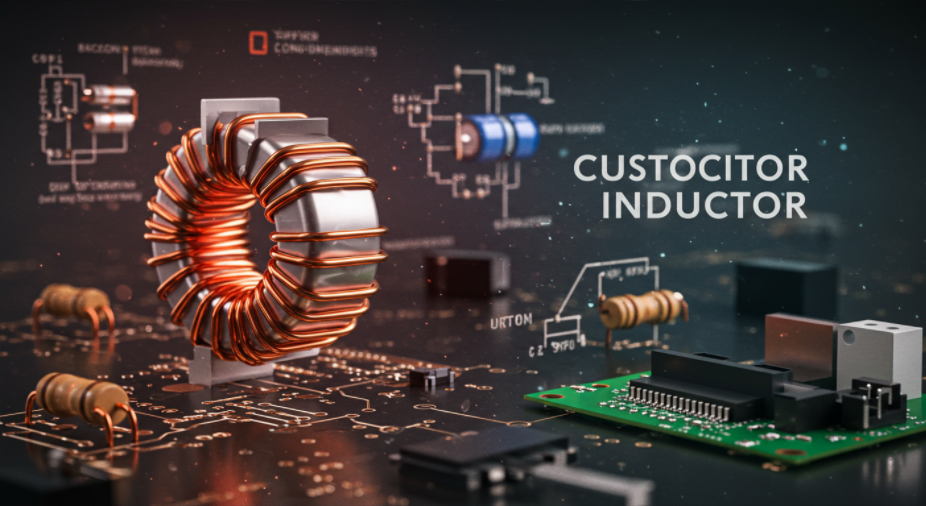
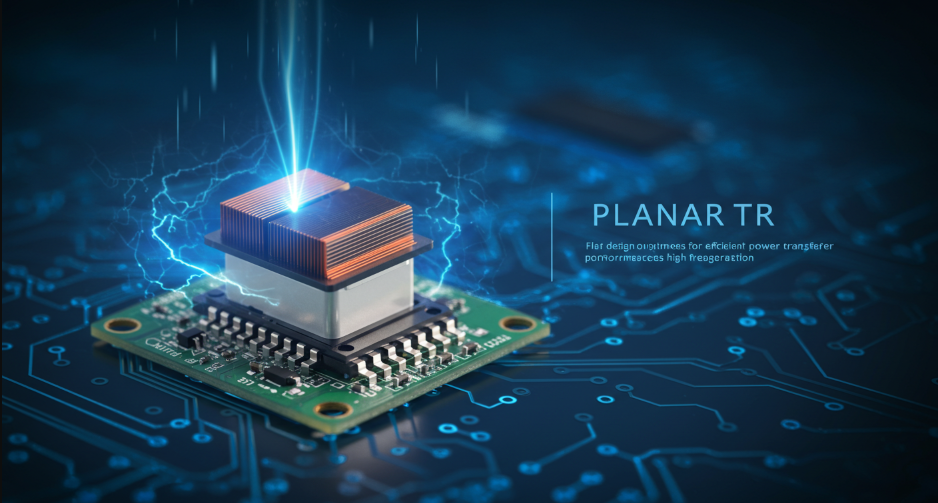
In the design field of high - frequency transformers and inductors, the introduction of an air gap in the magnetic core is a crucial yet delicate technique that requires careful trade - offs. The presence of an air gap not only significantly impacts magnetic properties but also has close relations with thermal stability and efficiency.
Air - Gap Design in High - Frequency Transformers: Trade - offs among Magnetic, Thermal, and Efficiency Aspects