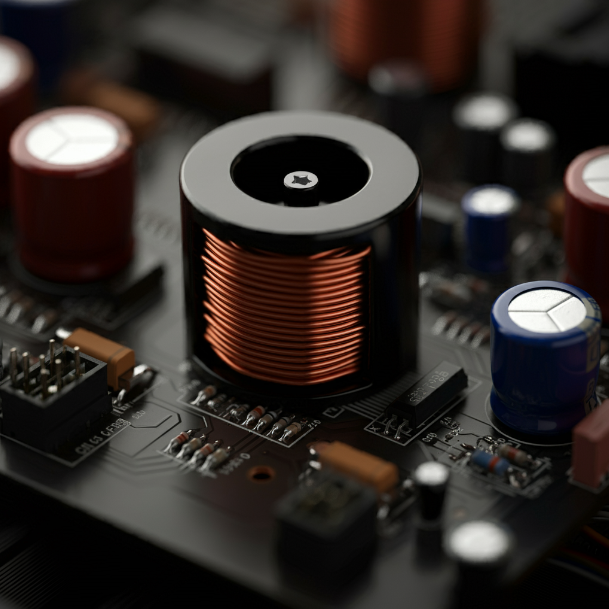
Low Voltage DC Power Transformers Drive Efficiency and Innovation
2024-06-21

Overview of Low Voltage DC Power Transformers
Low-voltage DC power transformers are designed to step down voltages below 48V DC to provide stable and reliable power to sensitive electronic equipment. Unlike conventional AC transformers that convert AC to DC at higher voltages, these transformers operate efficiently at lower voltages, minimising energy loss and optimising power distribution.
Key features and advantages
Energy efficiency: Low-voltage DC power transformers are extremely energy efficient because they eliminate the need for AC to DC conversion, which reduces voltage conversion losses. This energy efficiency is essential for industries to reduce operating costs and achieve sustainable development goals.
Reliability: DC power is inherently stable and less prone to fluctuations than AC power. Low-voltage DC transformers ensure stable and reliable operation of electronic equipment, which is critical for applications in telecommunications, data centres and industrial automation.
Safety: Operating at lower voltages improves safety in installation, maintenance and operation. It minimises the risk of electrical hazards and improves overall workplace safety, especially in residential, commercial and industrial environments.
Integration with Renewable Energy: Low-voltage DC power transformers facilitate seamless integration with renewable energy sources such as solar panels and wind turbines. Low-voltage DC power transformers enable efficient conversion and distribution of DC power in renewable energy systems, supporting the transition to sustainable energy solutions.
Applications and Impact
Telecommunications: Low-voltage DC transformers are critical in telecommunications infrastructures, providing stable power to critical equipment such as routers, switches and base stations. The reliability of DC power ensures uninterrupted communications service, even in challenging environments.
Data Centres: In data centres, where energy efficiency and reliability are critical, low-voltage DC transformers power servers, storage systems and network equipment. DC power increases efficiency, helps reduce operating costs and improves overall data centre performance.
Renewable Energy Systems: In renewable energy installations, LV DC transformers play a key role in converting and distributing power from solar arrays and wind turbines. Efficient operation of LV DC transformers maximises the capture and utilisation of energy and increases the viability of renewable energy solutions.
Industry Trends and Future Prospects
As industries prioritise energy efficiency and sustainability, the demand for LV DC power transformers is expected to grow significantly. Innovations in transformer design, including advances in materials and digital control technologies, will further improve efficiency and reliability. Additionally, integration of smart grid capabilities and energy storage solutions will extend the functionality of LV DC systems, supporting grid stability and increasing flexibility in power management.
Conclusion
LV DC power transformers are the cornerstone of modern power systems, offering unrivalled efficiency, reliability and security. As industries continue to move toward greener, more flexible power solutions, these transformers will play a key role in shaping the future of energy distribution and consumption. As technology continues to advance and the use of LV DC power transformers becomes more widespread across industries, LV DC power transformers are sure to drive innovation and efficiency in the global electrical industry.
AC/DC transformers pave way for efficient power conversion
The Rise of Multi-Tap Transformers in Modern Electrical Systems
Related Article
In the design field of high - frequency transformers and inductors, the introduction of an air gap in the magnetic core is a crucial yet delicate technique that requires careful trade - offs. The presence of an air gap not only significantly impacts magnetic properties but also has close relations with thermal stability and efficiency.
Air - Gap Design in High - Frequency Transformers: Trade - offs among Magnetic, Thermal, and Efficiency Aspects