Breakthrough in Maximum PoE Cable Length: Innovations in Transformer Technology
2024-06-24
Enhanced PoE Capabilities
Traditionally, PoE systems have been limited to a maximum cable length of 100 metres (328 feet) as defined by the IEEE 802.3af/at/bt standard. This limitation has often created challenges for installations requiring longer cables, such as large commercial buildings, industrial complexes, and outdoor applications. However, recent breakthroughs in transformer design have pushed this boundary, extending cable lengths without compromising performance or safety.
Innovations in transformer technology
Key to this advancement has been the development of highly efficient high-frequency transformers designed specifically for PoE applications. These transformers incorporate improved magnetic materials, innovative winding technologies and optimised core designs, which together reduce losses and
improve long-distance power transmission.
One of the outstanding innovations is the use of nanocrystalline cores, which offer superior magnetic properties compared to conventional ferrite cores. Nanocrystalline cores have lower core losses and higher permeability, enabling the transformer to operate efficiently at higher frequencies. This reduces energy dissipation and improves power transfer, allowing PoE systems to operate efficiently over distances exceeding the standard 100-metre limit.
Practical Applications and Benefits
The impact of these advances is huge. In smart building and IoT deployments, the ability to extend PoE cable lengths simplifies network infrastructure by reducing the need for intermediate power supplies and signal boosters. This not only reduces installation costs, but also minimises potential points of failure and improves overall system reliability.
For industrial and outdoor environments where long cable runs are often unavoidable, these new transformers offer a powerful solution. Surveillance systems, access control systems and remote sensors can now be powered and connected over greater distances, resulting in more comprehensive coverage and improved operational efficiency.
Industry Applications and Future Outlook
The introduction of these advanced PoE transformers has been warmly welcomed by a wide range of industries. Manufacturers are rapidly integrating this new technology into their product lines, and early adopters are already witnessing the benefits in their PoE deployments. As the technology matures, it is expected that industry standards will evolve to accommodate these expanded capabilities, further cementing PoE's role in modern network infrastructures.
Looking ahead, the continued refinement of transformer technology is likely to result in higher efficiency and longer cable lengths. This advancement will not only enhance existing applications, but will also open up new possibilities for PoE in areas such as renewable energy systems, smart grids and autonomous transport networks.
Conclusion
Advances in transformer technology that enable longer PoE cable lengths mark a significant leap forward for the industry. By overcoming a fundamental limitation of PoE systems, these innovations promise to enhance connectivity, reduce costs, and improve the reliability of connected devices. As the adoption of this technology grows, we can expect to see a wider range of more versatile PoE applications, driving the next wave of digital transformation across multiple industries.
Advances in PoE Switch Transformer Technology Extend Maximum Distance Capabilities
Overcoming Distance Limitations with PoE Using Transformer Technology Overcoming Distance Limitations with PoE Using Transformer Technology
Related Article
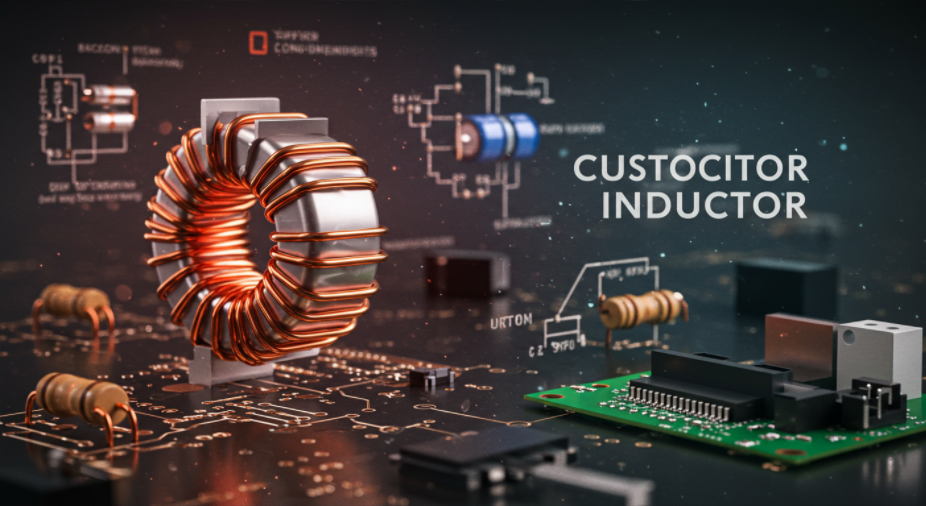
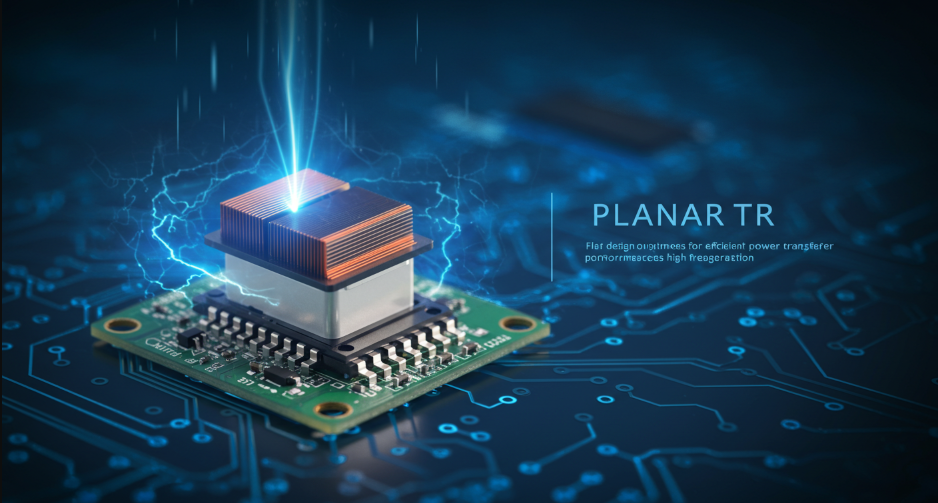
In the design field of high - frequency transformers and inductors, the introduction of an air gap in the magnetic core is a crucial yet delicate technique that requires careful trade - offs. The presence of an air gap not only significantly impacts magnetic properties but also has close relations with thermal stability and efficiency.
Air - Gap Design in High - Frequency Transformers: Trade - offs among Magnetic, Thermal, and Efficiency Aspects