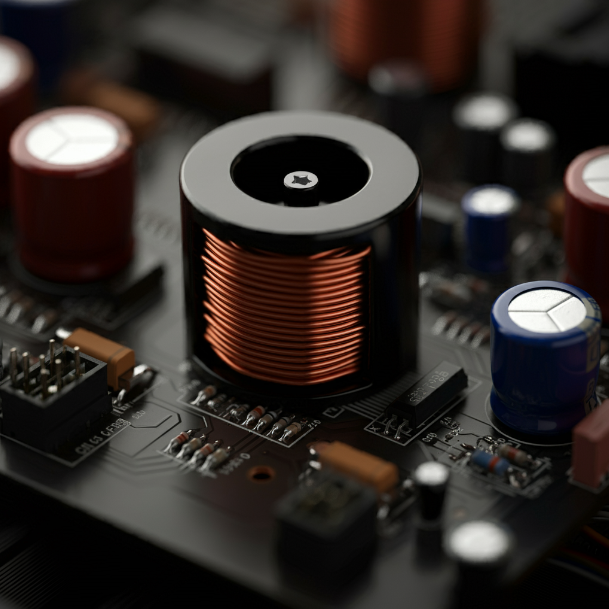
Planar Magnetic Transformers: The Future of Efficient Power Conversion
2024-06-27
Advancing Power Conversion Technology
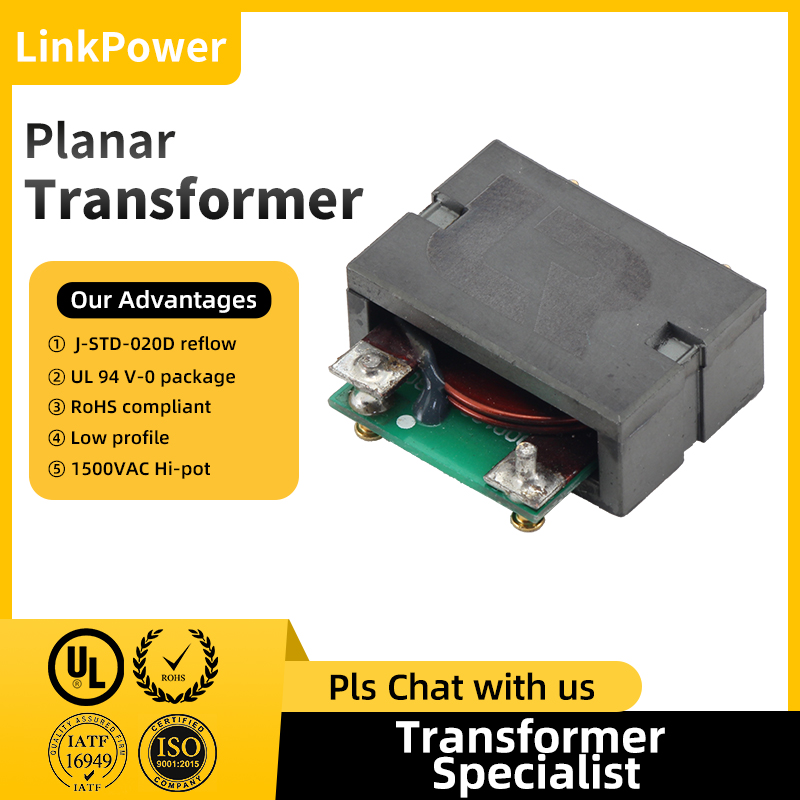
Planar magnetic transformers represent a major leap forward in transformer technology. Unlike traditional wire-wound transformers, planar magnetic transformers use planar laminated windings on printed circuit boards (PCBs) or other flat substrates. This unique design increases efficiency, reduces size and improves thermal management, making it ideal for modern high-performance applications.
Compact and Efficient Design
One of the most significant advantages of planar magnetic transformers is their compact form factor. The planar layered construction allows for a smaller footprint than conventional transformers. This is particularly advantageous for applications where space is limited, such as telecommunications equipment, medical equipment and automotive electronics. Despite their smaller size, planar magnetic transformers maintain high power density and efficiency, making them ideal for a wide range of industries.
Enhanced Thermal Management
Thermal management is a key factor in transformer performance and longevity. Planar magnetic transformers excel in this area due to their large surface area, which facilitates efficient heat dissipation. Planar designs offer better thermal conductivity, reducing the risk of overheating and improving overall reliability. They are therefore suitable for high-power applications where maintaining optimum operating temperatures is critical.
Excellent electrical performance
Planar magnetic transformers offer significant improvements in electrical performance. Their small form factor and precision construction result in lower leakage inductance and higher coupling efficiency. In addition, the planar design minimises electromagnetic interference (EMI), ensuring stable and reliable operation in sensitive electronic environments. These features are especially important in high-frequency applications such as power supplies for data centres and advanced computing systems.
Customisation and Versatility
One of the main advantages of planar magnetic transformers is their versatility. They can be easily customised to meet specific application requirements, providing flexibility in design and performance. Manufacturers can customise the windings, core material and overall geometry to achieve the desired electrical characteristics. This makes planar magnetic transformers suitable for a wide range of applications from industrial automation and renewable energy systems to consumer electronics and aerospace technology.
Driving Industry Innovation
Leading companies in the power electronics industry are investing heavily in the development of planar magnetic transformers. Advances in materials science, manufacturing technology and magnetic design are driving continuous improvements in performance and cost-effectiveness. These innovations are helping to drive the development of planar magnetic transformers as a key technology for the future of power conversion.
A sustainable and cost-effective solution
Planar magnetic transformers also meet the growing demand for sustainable and cost-effective power solutions. Their high efficiency and compact design help to reduce energy consumption and operating costs. In addition, the simplified manufacturing process of planar transformers saves costs for both manufacturers and end-users, making them an excellent choice for companies wishing to enhance sustainability.
Conclusion
The advent of planar magnetic transformers marks a significant advancement in the power electronics industry. With compact dimensions, excellent thermal management and superior electrical performance, these transformers are expected to play a key role in the next generation of efficient power conversion systems. As technology continues to evolve, planar magnetic transformers will play a vital role in meeting the growing demand for reliable, efficient and sustainable power solutions.
For more information on planar magnetic transformers and their applications, visit leading manufacturers' websites and industry forums.
Surface Mount Technology (SMT) Process Transformers: Transforming Power Component Manufacturing
The Emergence of High Power Density Transformers
Related Article
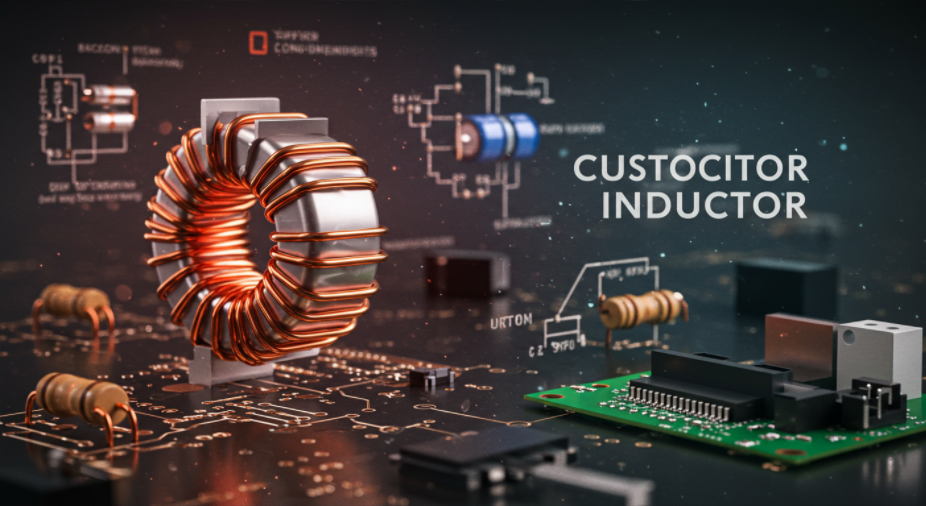
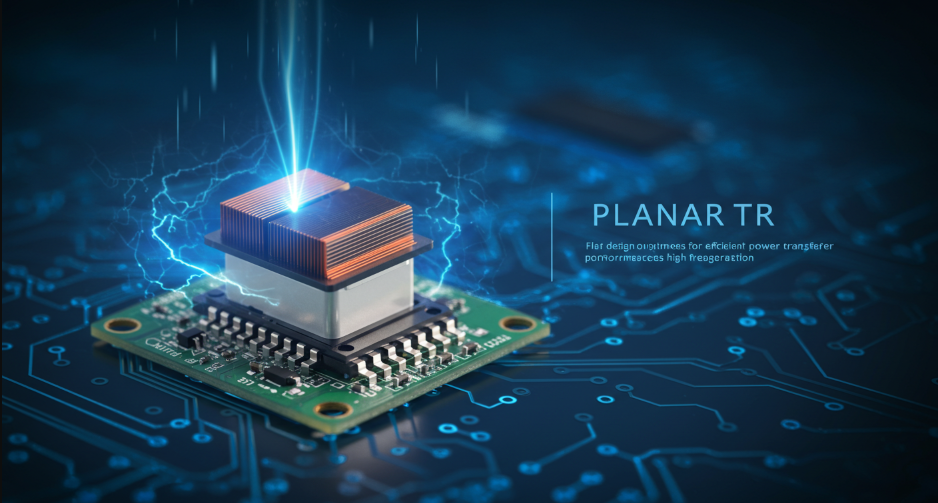
In the design field of high - frequency transformers and inductors, the introduction of an air gap in the magnetic core is a crucial yet delicate technique that requires careful trade - offs. The presence of an air gap not only significantly impacts magnetic properties but also has close relations with thermal stability and efficiency.
Air - Gap Design in High - Frequency Transformers: Trade - offs among Magnetic, Thermal, and Efficiency Aspects