
Planar Transformers Lead the Way in Efficient Power Solutions
2024-07-05

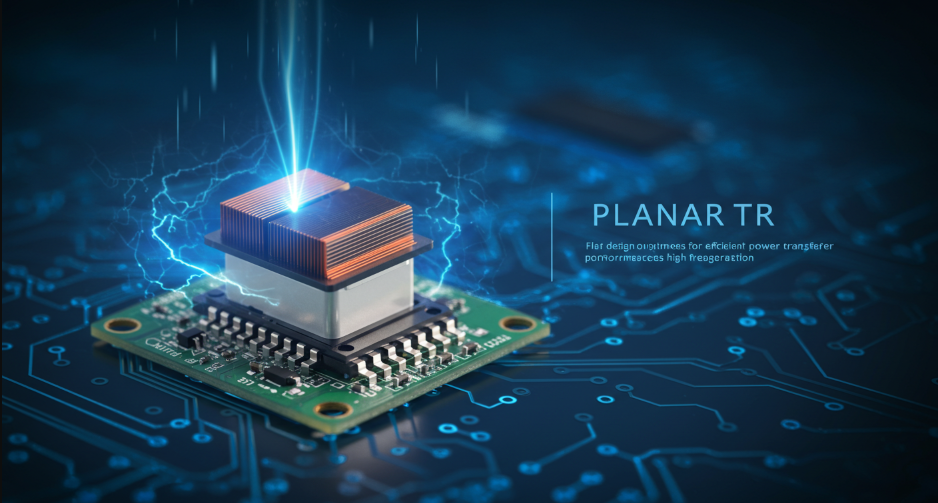
Planar transformers offer a compact and efficient alternative to traditional wire-wound transformers and are gaining traction in the power electronics industry. With their unique construction and advanced materials, planar transformers are revolutionising power management in applications ranging from telecommunications to automotive electronics and renewable energy systems.
With flat windings and flat cores, planar transformers offer a more compact design and higher thermal efficiency than conventional transformers. This innovative construction not only reduces overall size and weight, but also enhances thermal management and electrical performance, and leading companies such as PowerCore Technologies and FlexTrans Solutions are pioneering the development of these transformers, pushing the limits of efficiency and miniaturisation.
In the telecoms sector, planar transformers are critical for the high-frequency, high-efficiency power supplies required for modern network equipment and 5G infrastructure. Their compact design facilitates integration into dense circuit boards, improving space utilisation and heat dissipation. This is critical for the deployment of advanced telecoms networks that require reliable and efficient power management.
The automotive industry also benefits greatly from planar transformers, especially in electric vehicles (EVs) and hybrid electric vehicles (HEVs). Used in on-board chargers and power inverters, planar transformers' high efficiency and compact form factor help improve the overall efficiency and performance of the vehicle. By reducing size and weight, these transformers help to increase the range and battery life of electric vehicles, supporting the industry's shift to more sustainable mobility solutions.
In renewable energy systems, planar transformers play an important role in the power conversion and management of solar inverters and wind turbines. Capable of handling high power densities and improving thermal management, planar transformers are ideal for these applications where efficiency and reliability are critical. This helps to maximise energy harvesting, reduce the overall system footprint and facilitate the integration of renewable energy into the grid.
In addition, planar transformers are increasingly used in medical devices, aerospace and industrial applications where space, weight and efficiency are critical factors. The stable performance and compact design of planar transformers for a wide range of high-performance applications is driving innovation across multiple industries.
As technology continues to evolve, the need for compact, efficient power solutions will drive the adoption of planar transformers. These transformers will play a key role in the next generation of electronic devices, supporting the trend towards miniaturisation, high efficiency and sustainable power management.
With flat windings and flat cores, planar transformers offer a more compact design and higher thermal efficiency than conventional transformers. This innovative construction not only reduces overall size and weight, but also enhances thermal management and electrical performance, and leading companies such as PowerCore Technologies and FlexTrans Solutions are pioneering the development of these transformers, pushing the limits of efficiency and miniaturisation.
In the telecoms sector, planar transformers are critical for the high-frequency, high-efficiency power supplies required for modern network equipment and 5G infrastructure. Their compact design facilitates integration into dense circuit boards, improving space utilisation and heat dissipation. This is critical for the deployment of advanced telecoms networks that require reliable and efficient power management.
The automotive industry also benefits greatly from planar transformers, especially in electric vehicles (EVs) and hybrid electric vehicles (HEVs). Used in on-board chargers and power inverters, planar transformers' high efficiency and compact form factor help improve the overall efficiency and performance of the vehicle. By reducing size and weight, these transformers help to increase the range and battery life of electric vehicles, supporting the industry's shift to more sustainable mobility solutions.
In renewable energy systems, planar transformers play an important role in the power conversion and management of solar inverters and wind turbines. Capable of handling high power densities and improving thermal management, planar transformers are ideal for these applications where efficiency and reliability are critical. This helps to maximise energy harvesting, reduce the overall system footprint and facilitate the integration of renewable energy into the grid.
In addition, planar transformers are increasingly used in medical devices, aerospace and industrial applications where space, weight and efficiency are critical factors. The stable performance and compact design of planar transformers for a wide range of high-performance applications is driving innovation across multiple industries.
As technology continues to evolve, the need for compact, efficient power solutions will drive the adoption of planar transformers. These transformers will play a key role in the next generation of electronic devices, supporting the trend towards miniaturisation, high efficiency and sustainable power management.
Isolation Transformers Improve Safety and Performance of Modern Electrical Systems
Flat Transformers Improve Design and Efficiency of Compact Devices
Related Article
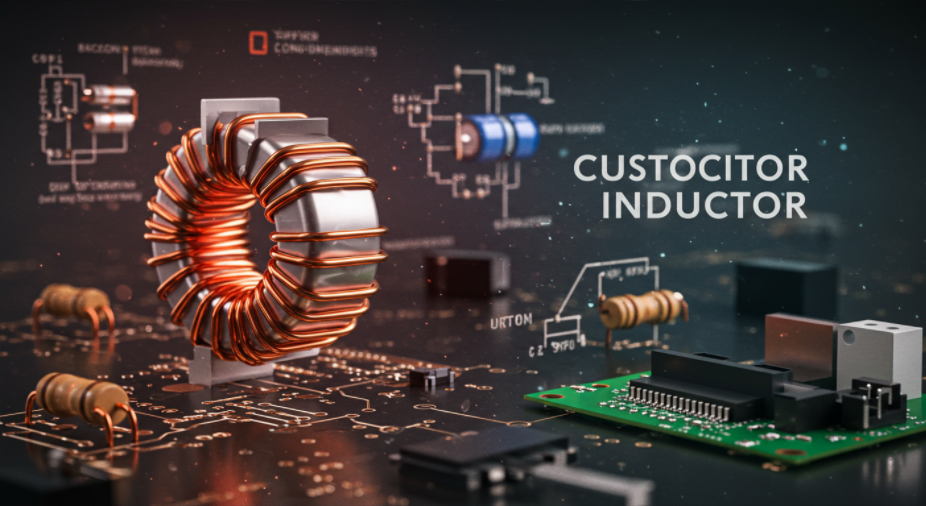
In the design field of high - frequency transformers and inductors, the introduction of an air gap in the magnetic core is a crucial yet delicate technique that requires careful trade - offs. The presence of an air gap not only significantly impacts magnetic properties but also has close relations with thermal stability and efficiency.
Air - Gap Design in High - Frequency Transformers: Trade - offs among Magnetic, Thermal, and Efficiency Aspects