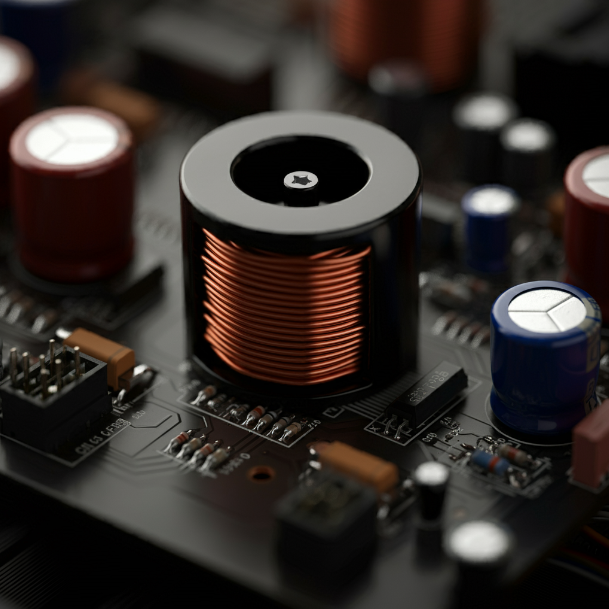
Advances and Challenges in Power over Ethernet (PoE) Transformers
2024-06-25
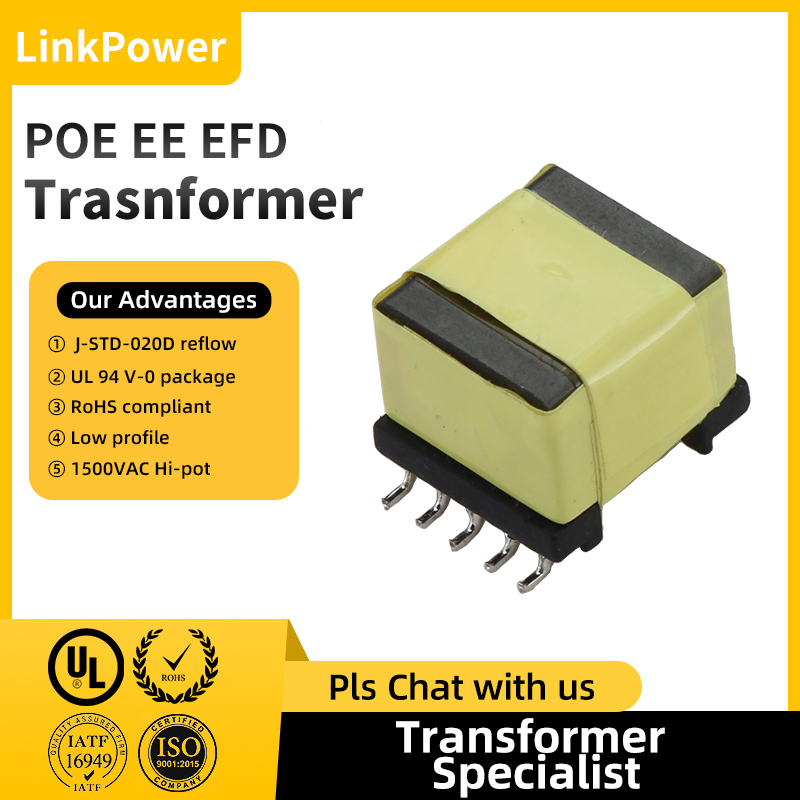
Recent Advances in PoE Transformers
Higher power standards:
The introduction of IEEE 802.3bt (PoE++) marked a major leap forward in PoE technology, delivering up to 100 watts of power. This advancement enables more powerful devices such as high-powered wireless access points, pan-tilt-zoom cameras, and even certain types of lighting and building automation systems to be powered over Ethernet cables. In response, PoE transformer manufacturers have developed more efficient, higher capacity transformers to support these new standards.
Improved Efficiency:
Recent innovations have focused on improving the efficiency of PoE transformers. Advances in magnetic materials and winding technology have reduced energy losses and improved the overall efficiency of power transmission. These improvements are critical to minimising heat generation and ensuring more power reaches the end device.
Recent innovations have focused on improving the efficiency of PoE transformers. Advances in magnetic materials and winding technology have reduced energy losses and improved the overall efficiency of power transmission. These improvements are critical to minimising heat generation and ensuring more power reaches the end device.
Integration with smart technologies:
PoE transformers are increasingly being integrated with smart technologies. Intelligent PoE solutions dynamically allocate power based on device demand, monitor energy consumption in real time, and provide diagnostic information. This integration supports better energy management and proactive maintenance, helping to improve the efficiency and reliability of PoE networks.
PoE transformers are increasingly being integrated with smart technologies. Intelligent PoE solutions dynamically allocate power based on device demand, monitor energy consumption in real time, and provide diagnostic information. This integration supports better energy management and proactive maintenance, helping to improve the efficiency and reliability of PoE networks.
Ongoing Challenges
Heat dissipation:
Despite advances, heat dissipation remains a significant challenge, especially for high-power PoE transformers. Preventing overheating and ensuring the longevity of transformers and the equipment they power requires efficient thermal management solutions. Manufacturers are exploring new materials and designs to improve thermal performance.
Distance limitations:
Due to voltage drops and signal attenuation, PoE transmission distances are typically limited to 100 metres. In larger deployments, this limitation can be a constraint, requiring the use of PoE extenders or repeaters to maintain performance over longer distances. Research is underway to develop solutions that extend the effective range of PoE without compromising power or data integrity.
Due to voltage drops and signal attenuation, PoE transmission distances are typically limited to 100 metres. In larger deployments, this limitation can be a constraint, requiring the use of PoE extenders or repeaters to maintain performance over longer distances. Research is underway to develop solutions that extend the effective range of PoE without compromising power or data integrity.
Compatibility and standardisation:
Ensuring compatibility between different PoE standards and devices remains a challenge. While the IEEE standards provide a framework, differences in device power requirements and proprietary implementations can lead to compatibility issues. The industry as a whole is committed to further standardisation and certification schemes to ensure seamless interoperability.
Ensuring compatibility between different PoE standards and devices remains a challenge. While the IEEE standards provide a framework, differences in device power requirements and proprietary implementations can lead to compatibility issues. The industry as a whole is committed to further standardisation and certification schemes to ensure seamless interoperability.
Electromagnetic Interference (EMI):
PoE transformers are susceptible to EMI, which can affect power transmission and data transfer. Shielding technologies and better cable designs are being developed to mitigate EMI and ensure reliable performance in a variety of environments.
PoE transformers are susceptible to EMI, which can affect power transmission and data transfer. Shielding technologies and better cable designs are being developed to mitigate EMI and ensure reliable performance in a variety of environments.
Market Outlook
The PoE transformer market is expected to grow significantly, driven by the increasing demand for IoT devices, smart building technologies, and simplified network infrastructure. Analysts predict that as PoE technology continues to evolve, the efficiency, power capacity, and versatility of PoE transformers will further improve, opening up new applications and use cases.
Key industry players are investing heavily in R&D to address current challenges and capitalise on emerging opportunities. Collaboration between manufacturers, standards organisations and end users is essential to drive innovation and adoption.
Conclusion
PoE transformers are at the forefront of the networking revolution, powering and connecting a wide range of devices over a single cable. Whilst significant progress has been made, ongoing challenges such as heat dissipation, distance limitations and compatibility still need to be addressed. The industry remains optimistic about the future of PoE and continued innovation will pave the way for more efficient and versatile networking solutions.
Translated with www.DeepL.com/Translator (free version)
Transformative Advances in Power over Ethernet (PoE) Transformers
Power over Ethernet (PoE) Transformers in Action - Case Study
Related Article
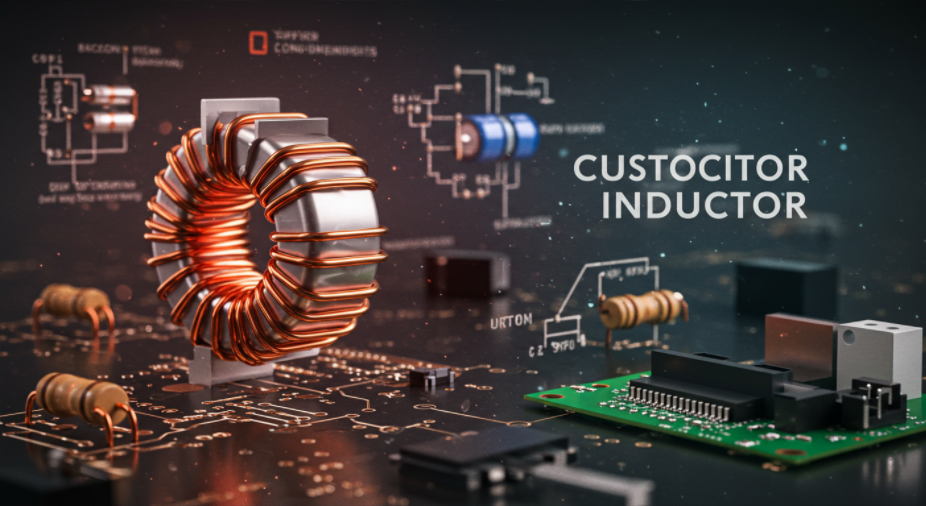
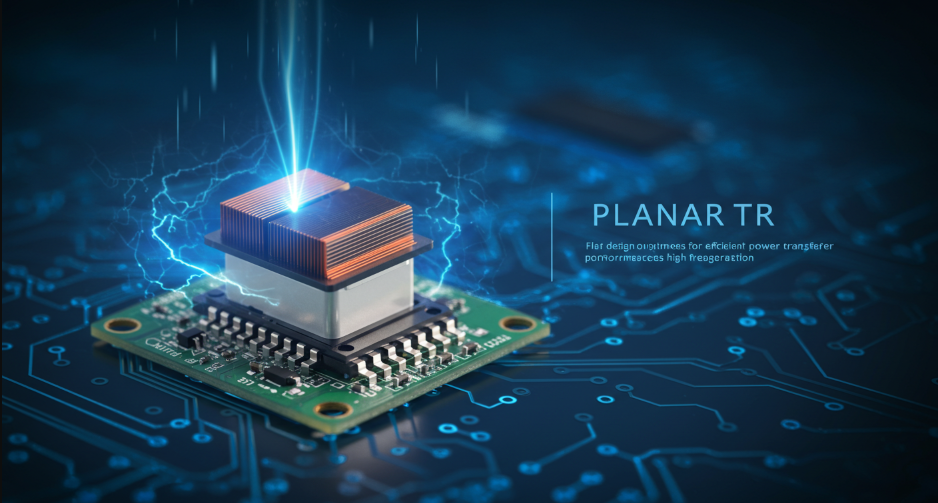
In the design field of high - frequency transformers and inductors, the introduction of an air gap in the magnetic core is a crucial yet delicate technique that requires careful trade - offs. The presence of an air gap not only significantly impacts magnetic properties but also has close relations with thermal stability and efficiency.
Air - Gap Design in High - Frequency Transformers: Trade - offs among Magnetic, Thermal, and Efficiency Aspects