
Power over Ethernet (PoE) Transformers in Action - Case Study
2024-06-25
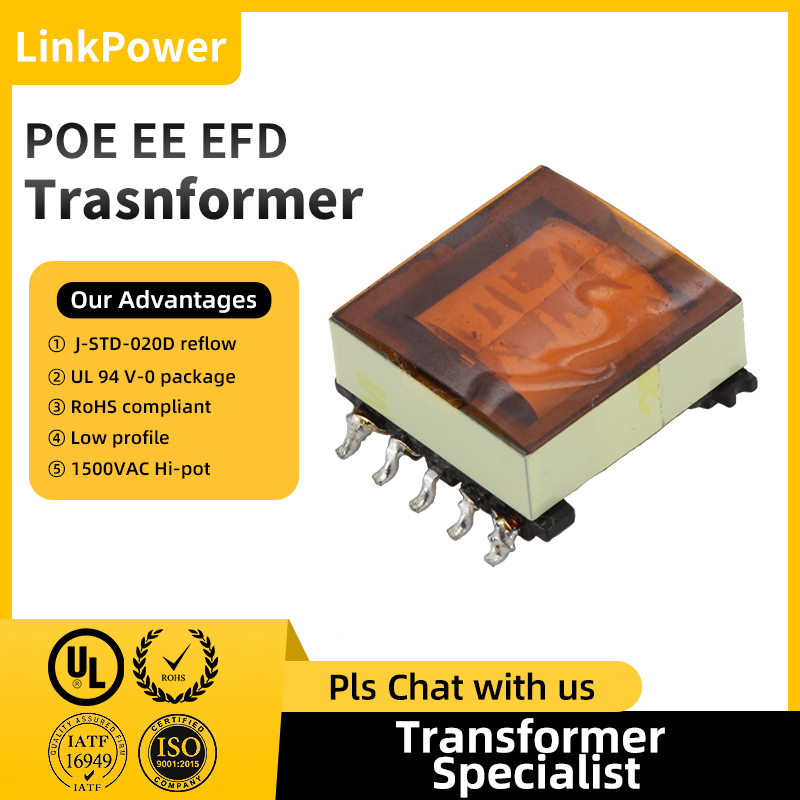
Project Overview: Smart Building Implementation
A leading commercial property developer recently completed the integration of PoE transformers in its city's latest smart building project. The aim of the project was to create a state-of-the-art, energy-efficient workspace that utilises cutting-edge technology to improve occupant comfort and operational efficiency.
The Role of PoE Transformers
PoE transformers played a crucial role in achieving the project's goals. By deploying PoE technology, the building's network infrastructure was streamlined, reducing the need for separate electrical cabling and simplifying the installation process. Key applications for PoE in this project include
Lighting systems: Intelligent LED lighting systems powered by PoE were installed throughout the building. These lighting systems are not only energy efficient, but also offer advanced features such as remote control, dimming, and occupancy sensing, which PoE seamlessly integrates to provide power and communications over a single cable.
Security Cameras: High-definition IP security cameras are deployed throughout the premises, eliminating the need for additional power with PoE technology. This facilitates flexible placement and easy expansion, ensuring comprehensive security coverage.
Wireless Access Points (WAPs): To ensure robust and reliable wireless connectivity, PoE-powered WAPs are strategically placed throughout the building. This setup facilitates installation and maintenance, and enhances the overall user experience with stable, high-speed wireless access.
Building Automation System (BAS): Various sensors and control systems, such as temperature and humidity sensors, access control systems and environmental monitoring devices, are integrated using PoE. This integration supports centralised management and real-time monitoring, contributing to the intelligent functionality of the building.
Realised benefits
The adoption of PoE transformers in the [Project Name] smart building has yielded several significant benefits:
Cost savings: The project achieved significant cost savings by reducing the need for separate electrical cabling and minimising the labour costs associated with installation. The use of PoE also simplified future upgrades and expansion.
Energy Efficiency: PoE technology helps reduce energy consumption by providing centralised control and efficient power management. Intelligent lighting and HVAC systems are optimised with real-time data, making the building more sustainable and environmentally friendly.
Increased Flexibility: PoE technology makes it easy to reconfigure networked devices. As tenants' needs change, devices can be relocated or added without extensive rewiring, providing greater flexibility and adaptability.
Better aesthetics: Reduced wiring clutter and simplified installation improves the overall aesthetics of the building interior, creating a cleaner and more organised environment.
Industry Impact and Future Outlook
The successful deployment of PoE transformers in [Project Name] smart buildings demonstrates the practical benefits and transformative potential of PoE technology in modern commercial property. This case study serves as a benchmark for future projects, demonstrating how PoE can drive innovation in building design and infrastructure.
Industry experts predict that advances in PoE standards and the growing demand for smart building solutions will drive continued growth in PoE adoption. As more organisations recognise the benefits of integrating power and data transmission, PoE will become the cornerstone of network infrastructure in applications ranging from office buildings to industrial complexes.
Advances and Challenges in Power over Ethernet (PoE) Transformers
Examining the Limitations of Power over Ethernet (PoE) Transformers
Related Article
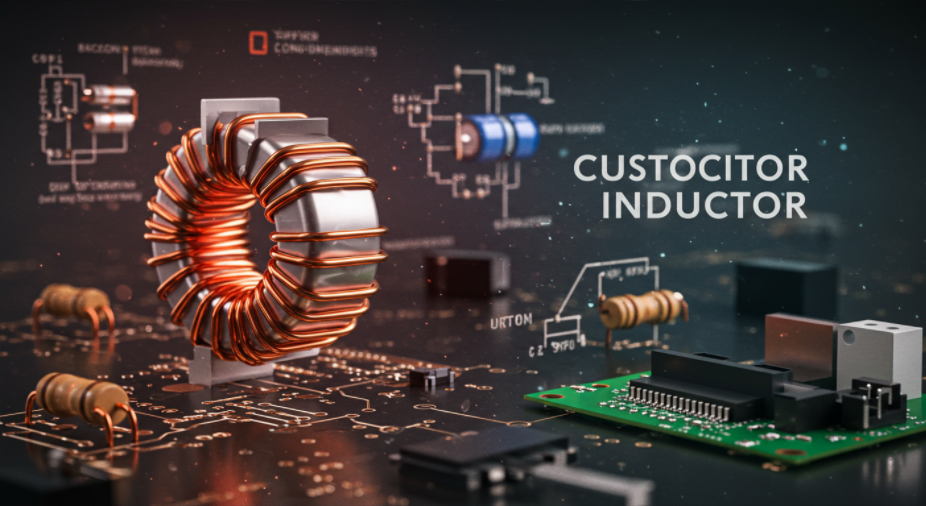
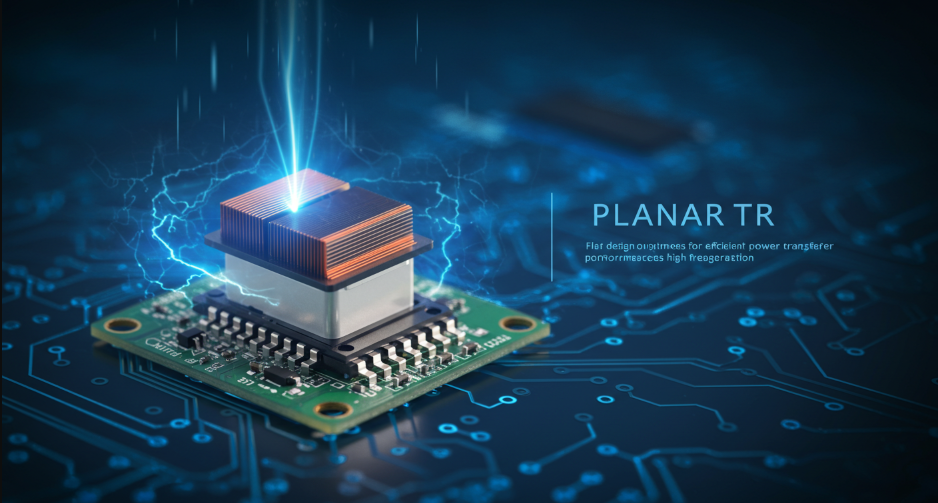
In the design field of high - frequency transformers and inductors, the introduction of an air gap in the magnetic core is a crucial yet delicate technique that requires careful trade - offs. The presence of an air gap not only significantly impacts magnetic properties but also has close relations with thermal stability and efficiency.
Air - Gap Design in High - Frequency Transformers: Trade - offs among Magnetic, Thermal, and Efficiency Aspects