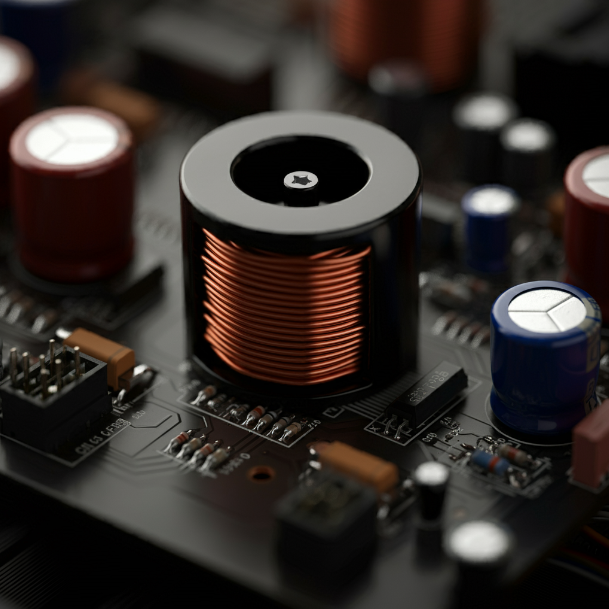
Enhancing PoE Signal Paths with Transformer Technology
2024-06-25
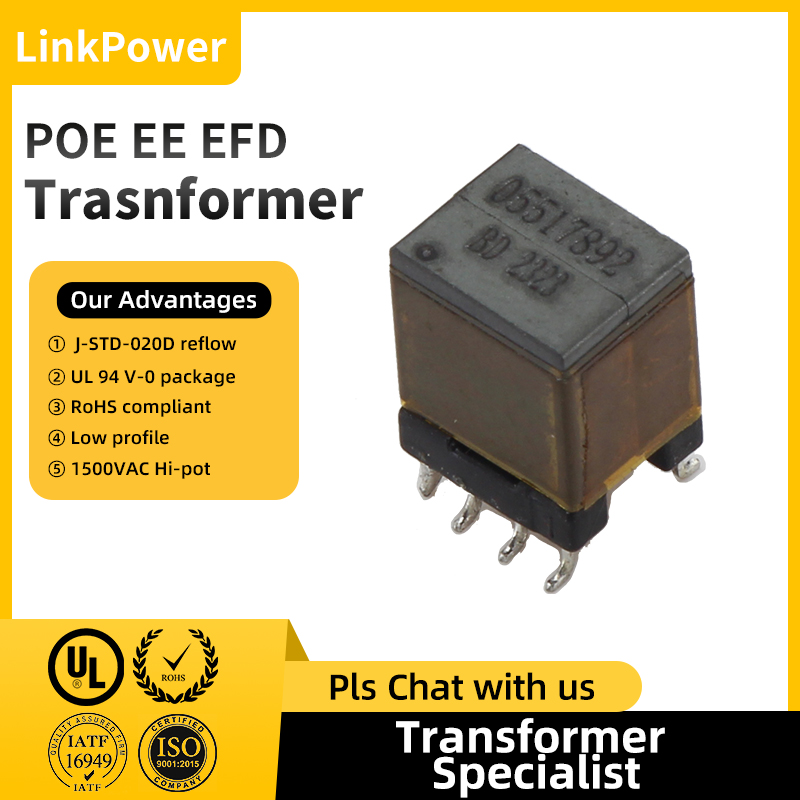
Understanding the PoE Signal Path
The signal path in a PoE system consists of the transmission of power and data signals from the power supply equipment (PSE) to the powered device (PD). Key components along this path include
Power Supply Equipment (PSE):
The PSE injects power into the Ethernet cable and manages the process of transmitting power and data to the connected devices.
Ethernet cable:
Ethernet cable:
Serves as a conduit for power and data signals between the PSE and the PD.
Powered Device (PD):
Powered Device (PD):
Receives power and data from the PSE over the Ethernet cable and uses this energy for operation and communication.
The Role of Transformers in the PoE Signal Path
Transformers play a critical role in ensuring the efficiency and reliability of the PoE signal path:
Voltage Regulation:
The transformer in a PoE system is responsible for stepping up or down the voltage as needed to meet the requirements of the PSE and PD. This voltage regulation helps maintain stable power delivery and ensures compatibility between different devices and PoE standards such as IEEE 802.3af, 802.3at, 802.3bt.
Signal Integrity:
Signal Integrity:
High-quality transformers help maintain the integrity of power and data signals transmitted over Ethernet cables. They minimise signal distortion, noise and electromagnetic interference (EMI) to ensure reliable communication between the PSE and PD.
Isolation and protection:
Isolation and protection:
Transformers provide electrical isolation between the PSE and PD, protecting the equipment from potential surge and ground loop problems. This isolation increases safety and prevents damage to sensitive electronic components.
Advances in Transformer Technology
Recent advances in transformer technology have enhanced the capabilities of PoE systems:
Efficiency Improvements:
Advanced transformer designs use high-efficiency materials and optimised winding techniques to minimise energy loss during power conversion. This improves overall system efficiency and reduces heat generation.
Miniaturised and integrated:
Miniaturised and integrated:
Smaller, more compact transformer designs are easier to integrate into PoE switches, injectors and PDs. This miniaturisation optimises space utilisation and supports the development of leaner PoE solutions.
Enhanced thermal management:
Enhanced thermal management:
Innovations in thermal management, such as improved heat dissipation methods and thermally conductive materials, help maintain optimal operating temperatures for transformers. This ensures reliable performance of the transformer in different environmental conditions.
Future Directions and Industry Impact
As PoE technology continues to evolve, transformers will play a key role in enabling higher power transmission, supporting emerging applications such as high-resolution IP cameras, advanced wireless access points and IoT devices. Future developments are expected to focus on improving power efficiency, enhancing signal processing capabilities, and expanding the range of PoE-compatible devices.
In short, the transformer is a key component in optimising the signal path of a PoE system, ensuring efficient power supply and stable data transmission. Continued advances in transformer technology will surely drive further innovation in PoE, paving the way for more reliable, scalable and energy-efficient network solutions.
Advances in PoE Power Transformers Increase Network Efficiency
Solving PoE Power Limitations with Advanced Transformer Technology
Related Article
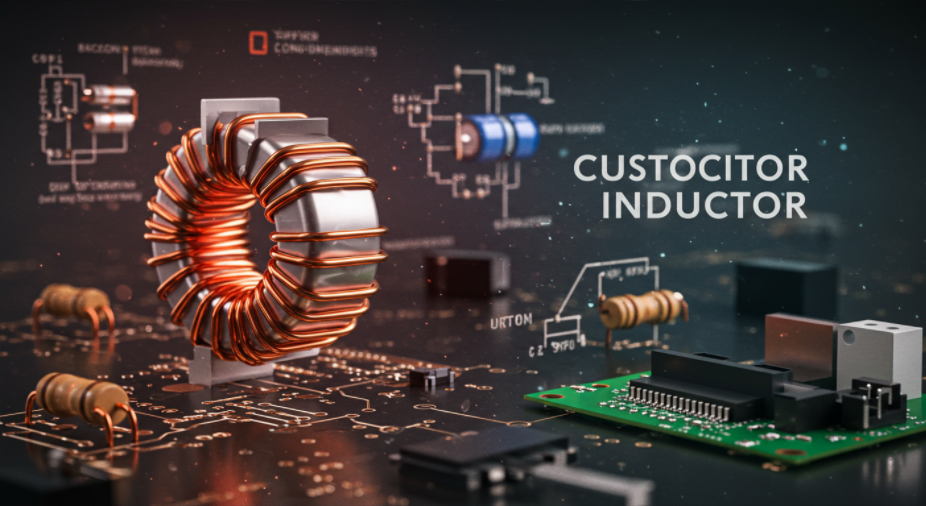
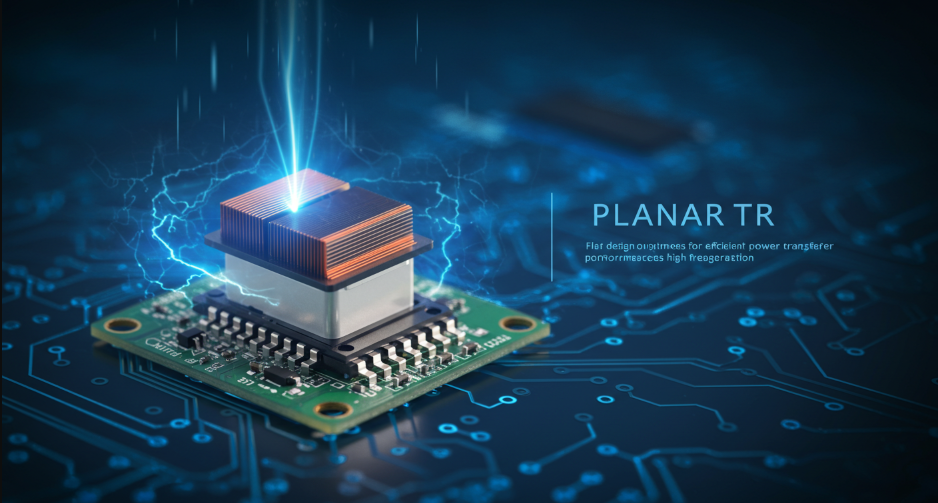
In the design field of high - frequency transformers and inductors, the introduction of an air gap in the magnetic core is a crucial yet delicate technique that requires careful trade - offs. The presence of an air gap not only significantly impacts magnetic properties but also has close relations with thermal stability and efficiency.
Air - Gap Design in High - Frequency Transformers: Trade - offs among Magnetic, Thermal, and Efficiency Aspects