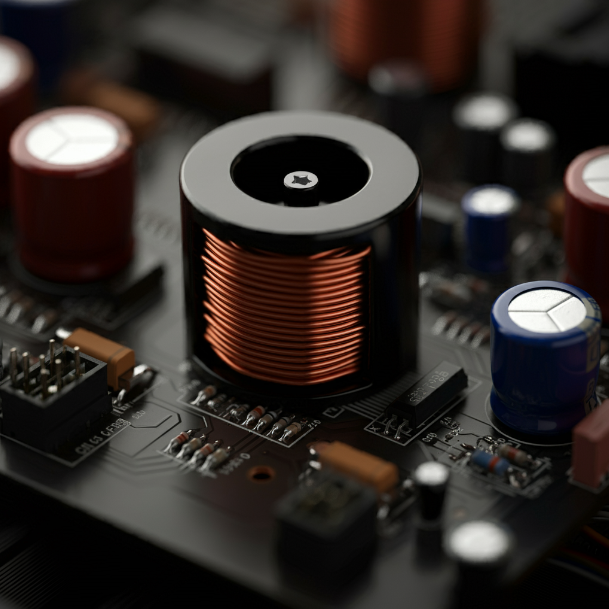
Overcoming PoE Power Limitations with Advanced Transformer Technology
2024-06-25
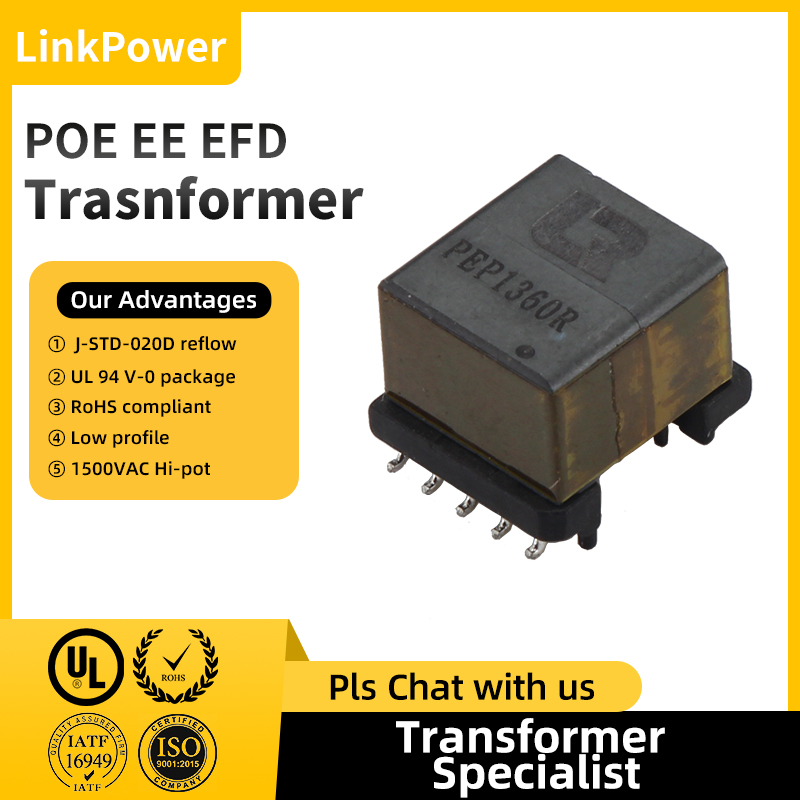
Current PoE Wattage Standards
PoE technology is governed by several IEEE standards, each of which imposes a maximum power transfer limit:
IEEE 802.3af (PoE):
Maximum power: 15.4 watts
Common applications: VoIP phones, basic IP cameras, and simple wireless access points
IEEE 802.3at (PoE+):
Common applications: VoIP phones, basic IP cameras, and simple wireless access points
IEEE 802.3at (PoE+):
Maximum power: 30 watts
Common applications: advanced IP cameras, video phones, and higher performance wireless access points
IEEE 802.3bt (PoE++):
Common applications: advanced IP cameras, video phones, and higher performance wireless access points
IEEE 802.3bt (PoE++):
Type 3: Maximum power: 60 watts
Type 4: Maximum power: 100 watts
Common applications: PTZ cameras, LED lighting, high-performance wireless access points, and some IoT devices
Type 4: Maximum power: 100 watts
Common applications: PTZ cameras, LED lighting, high-performance wireless access points, and some IoT devices
The Role of Transformers in Enhancing PoE Functionality
Transformers are a key component of a PoE system, playing a pivotal role in stepping up or down the voltage to meet the power requirements of connected devices. Innovations in transformer technology are critical to overcoming the power limitations of existing PoE standards.
High-efficiency transformers:
New transformer designs using advanced magnetic materials and improved winding techniques enable higher efficiencies. These high-efficiency transformers reduce energy loss during power conversion, allowing end devices to receive more power without generating excessive heat.
New transformer designs using advanced magnetic materials and improved winding techniques enable higher efficiencies. These high-efficiency transformers reduce energy loss during power conversion, allowing end devices to receive more power without generating excessive heat.
Compact, integrated designs:
The trend toward miniaturisation has led to the development of compact transformers that can be easily integrated into PoE switches and injectors. These smaller transformers make more efficient use of space and increase the overall power density of PoE systems.
The trend toward miniaturisation has led to the development of compact transformers that can be easily integrated into PoE switches and injectors. These smaller transformers make more efficient use of space and increase the overall power density of PoE systems.
Thermal management innovations:
Effective thermal management is critical to maintaining transformer performance, especially at higher power levels. Innovations such as advanced heat sinks, improved airflow design, and the use of thermally conductive materials help manage heat dissipation and ensure reliable PoE system operation.
Effective thermal management is critical to maintaining transformer performance, especially at higher power levels. Innovations such as advanced heat sinks, improved airflow design, and the use of thermally conductive materials help manage heat dissipation and ensure reliable PoE system operation.
Addressing Power Limitation Challenges
Transformers are leading the way in meeting the challenges posed by PoE power limitations. Here's how advanced transformer technology is making a difference:
Extends power delivery:
Through increased efficiency and improved thermal management, transformers can handle higher power loads, effectively pushing the boundaries of existing PoE power limits. This enables support for more power-hungry devices, such as complex security systems and advanced automation equipment.
Through increased efficiency and improved thermal management, transformers can handle higher power loads, effectively pushing the boundaries of existing PoE power limits. This enables support for more power-hungry devices, such as complex security systems and advanced automation equipment.
Ensure signal integrity:
High-performance transformers help maintain signal integrity over longer distances. By minimising voltage drop and EMI, these transformers ensure reliable transmission of power and data, even over the maximum allowable distance.
High-performance transformers help maintain signal integrity over longer distances. By minimising voltage drop and EMI, these transformers ensure reliable transmission of power and data, even over the maximum allowable distance.
Facilitates hybrid solutions:
Transformers are an integral part of hybrid power solutions that combine PoE with supplemental power. These solutions ensure that devices that require more power than allowed by PoE standards can still operate efficiently by drawing additional power from local sources or battery backup.
Transformers are an integral part of hybrid power solutions that combine PoE with supplemental power. These solutions ensure that devices that require more power than allowed by PoE standards can still operate efficiently by drawing additional power from local sources or battery backup.
Future Outlook
Continued advances in transformer technology will further enhance the capabilities of PoE systems. Future IEEE standards may incorporate these innovations to enable higher power transfer and a wider range of applications. The role of transformers in PoE systems will become increasingly important as the demand for power-intensive equipment continues to grow.
In short, transformers are critical to overcoming the power limitations of current PoE standards and enabling more robust and efficient network solutions. The industry's focus on developing advanced transformer technologies is expected to expand the reach and functionality of PoE to support the next generation of connected devices and intelligent systems.
Solving PoE Power Limitations with Advanced Transformer Technology
Transformative Advances in Power over Ethernet (PoE) Transformers
Related Article
In the design field of high - frequency transformers and inductors, the introduction of an air gap in the magnetic core is a crucial yet delicate technique that requires careful trade - offs. The presence of an air gap not only significantly impacts magnetic properties but also has close relations with thermal stability and efficiency.
Air - Gap Design in High - Frequency Transformers: Trade - offs among Magnetic, Thermal, and Efficiency Aspects