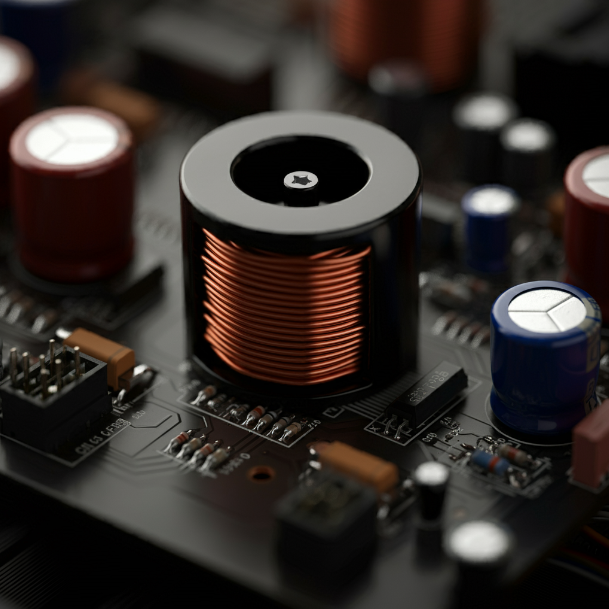
Inductors Improve Power Integrity of Modern Electronic Systems
2024-07-03
The Role of Inductors in Power Integrity
Inductors are important components in power management circuits, playing a key role in filtering, energy storage and voltage regulation. By smoothing out current fluctuations and reducing electromagnetic interference (EMI), inductors help maintain power integrity, which is critical to the stable and efficient operation of electronic devices.
Innovations in Inductor Technology
Advanced Core Materials: The use of high permeability core materials in inductors improves power integrity by increasing their ability to store energy and filter noise. These materials increase inductance, resulting in more efficient energy storage and smoother current flow.
High Efficiency Winding Technology: Innovations in wirewound technology have resulted in inductors with lower resistance and higher efficiency. These advances optimise the structure of the inductor, reducing energy losses and improving overall power output.
Compact Integrated Designs: Modern inductor designs are smaller and more efficient, allowing them to be integrated into compact electronic devices without sacrificing performance. This miniaturisation supports high-density circuit design and helps maintain power integrity in space-constrained applications.
Applications Using Inductors to Ensure Power Integrity
Inductors are critical to ensuring power integrity in a variety of applications:
Telecommunications: Inductors help stabilise power delivery in network equipment and broadband modems, ensuring consistent performance and minimising power-related disruptions.
Automotive Electronics: In electric vehicles (EVs) and other automotive systems, inductors improve power integrity by smoothing voltage fluctuations and reducing EMI to ensure reliable operation of critical components.
Consumer Electronics: Inductors improve power integrity in smartphones, laptops and other consumer devices by filtering noise and stabilising voltage to support efficient and reliable performance.
Industrial Equipment: In manufacturing and automation environments, inductors play a critical role in maintaining the power integrity of control systems and machinery, ensuring stable operation and reducing downtime.
Automotive Electronics: In electric vehicles (EVs) and other automotive systems, inductors improve power integrity by smoothing voltage fluctuations and reducing EMI to ensure reliable operation of critical components.
Consumer Electronics: Inductors improve power integrity in smartphones, laptops and other consumer devices by filtering noise and stabilising voltage to support efficient and reliable performance.
Industrial Equipment: In manufacturing and automation environments, inductors play a critical role in maintaining the power integrity of control systems and machinery, ensuring stable operation and reducing downtime.
Industry Applications and Impact
Industries are rapidly adopting advanced inductors for power integrity. Telecommunications providers, automotive manufacturers and consumer electronics companies are integrating these technologies to improve product performance and ensure reliable power delivery. The use of high-performance inductors is driving the development of more efficient and reliable electronic systems.
Future Trends in Inductor Technology
The future of inductor technology looks promising, with several trends expected to drive further improvements in power integrity:
Smart Inductors: Developing inductors with adaptive features that dynamically adjust their performance based on operating conditions to maintain optimal power integrity.
Integration with emerging technologies: Enhancing the compatibility of inductors with next-generation technologies, such as 5G, IoT and self-driving cars, to ensure that they are capable of meeting high-speed and complex power transfer requirements.
Sustainable materials: Use environmentally friendly materials in inductor manufacturing to reduce the ecological footprint and support the development of green electronics.
Integration with emerging technologies: Enhancing the compatibility of inductors with next-generation technologies, such as 5G, IoT and self-driving cars, to ensure that they are capable of meeting high-speed and complex power transfer requirements.
Sustainable materials: Use environmentally friendly materials in inductor manufacturing to reduce the ecological footprint and support the development of green electronics.
Conclusion
Advances in inductor technology are critical to improving the power integrity of modern electronics. By improving energy storage, filtering capabilities and overall power transfer, these innovations ensure that electronic systems operate efficiently and reliably in a variety of applications.
Improving Signal Integrity with HyperLynx and Advanced Inductor Technology
Inductors pave the way for improved signal integrity in modern electronic devices
Related Article
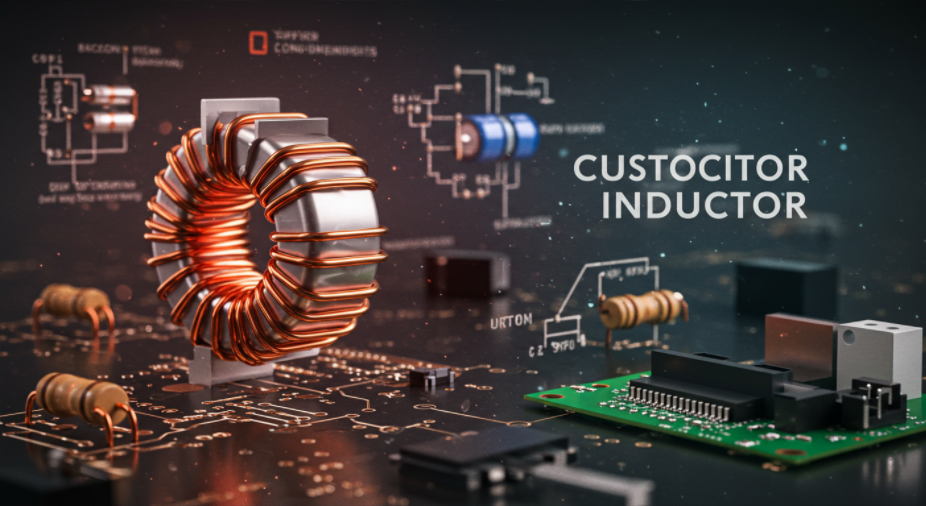
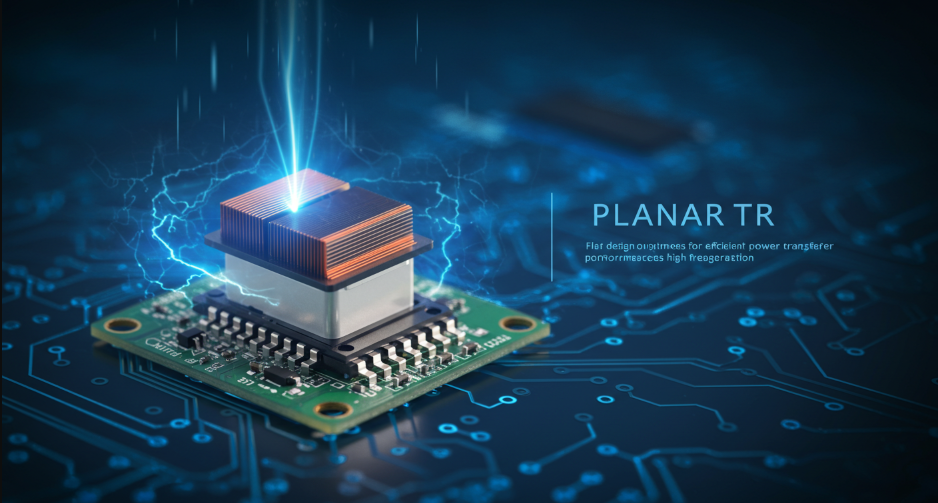
In the design field of high - frequency transformers and inductors, the introduction of an air gap in the magnetic core is a crucial yet delicate technique that requires careful trade - offs. The presence of an air gap not only significantly impacts magnetic properties but also has close relations with thermal stability and efficiency.
Air - Gap Design in High - Frequency Transformers: Trade - offs among Magnetic, Thermal, and Efficiency Aspects