Inductor technology breakthroughs push modern electronics forward
2024-07-31

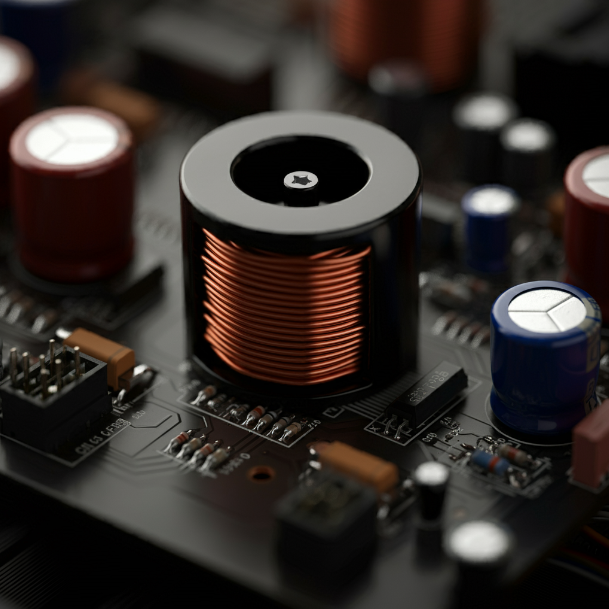
The inductor industry is experiencing a wave of innovation that is driving the advancement of modern electronics. Inductors are critical for energy storage, filtering and power management in electronic circuits, and new technologies are being applied to improve inductor performance and efficiency.
Recent developments have focused on improving the core materials and design of inductors to minimise energy loss and improve performance. For example, high-frequency inductors are incorporating premium cores and precise winding techniques. These improvements are critical for applications that require high-speed data transmission and signal integrity, such as telecommunications and computing.
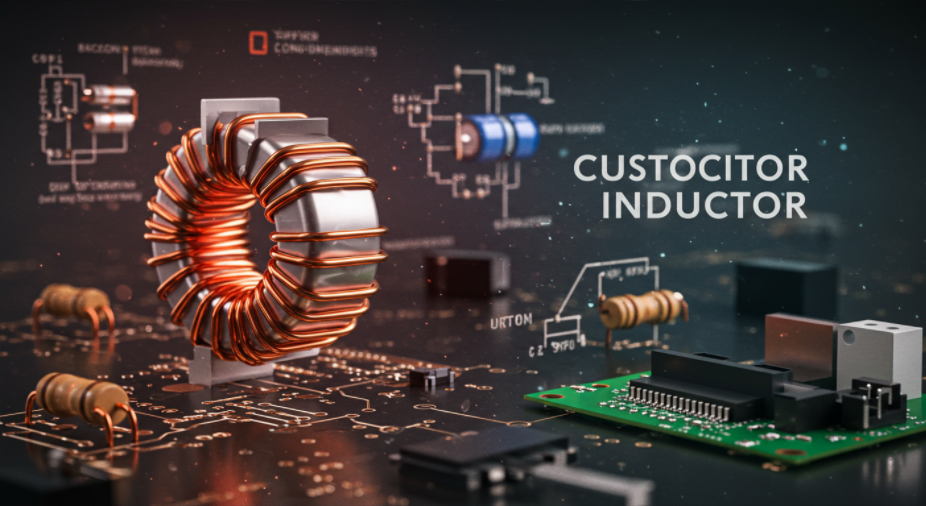
An important trend in the industry is the customisation of inductors to meet specific application requirements. Custom inductors use tailored inductance values, current ratings and form factors to optimise their performance in dedicated electronic systems. This approach is particularly important in industries such as aerospace, automotive and medical devices where precision and reliability are critical.
Thermal management has also become an area of focus. Efficient heat dissipation is critical to maintaining inductor performance and longevity, especially in high-power applications. To address these challenges, innovations have been made in materials and design to enhance thermal conductivity and ensure reliable operation of inductors under varying conditions.
The drive for miniaturisation continues to influence the inductor market. Driven by the growing demand for smaller, more efficient electronic devices, engineers are creating more compact inductors without sacrificing performance. This trend is evident in the development of portable and wearable technologies, where space constraints are a major factor.
Sustainability is another important aspect of the evolving inductor industry. Manufacturers are increasingly adopting eco-friendly materials and energy-efficient production processes to reduce the environmental impact of their products. This shift coincides with global efforts to improve energy efficiency and promote sustainability in the electronics manufacturing industry.
In addition, there is an emerging trend to integrate smart technologies in inductors. Smart inductors equipped with sensors and communication capabilities provide real-time monitoring and adaptive control for enhanced system management and reliability. Such innovations are particularly suited to complex industrial and automotive applications, where varying operating conditions can have a significant impact on performance.
As electronic systems become more complex and demanding, advances in inductor technology will play a vital role in addressing these challenges. These innovations will support the development of next-generation electronics, ensuring efficient energy storage, signal processing and power management in a wide range of applications.
Cutting-edge xDSL transformers enhance broadband connectivity and performance
Revolutionary PoE Transformer Revolutionises Power and Data Transmission in Network Systems
Related Article
In the design field of high - frequency transformers and inductors, the introduction of an air gap in the magnetic core is a crucial yet delicate technique that requires careful trade - offs. The presence of an air gap not only significantly impacts magnetic properties but also has close relations with thermal stability and efficiency.
Air - Gap Design in High - Frequency Transformers: Trade - offs among Magnetic, Thermal, and Efficiency Aspects