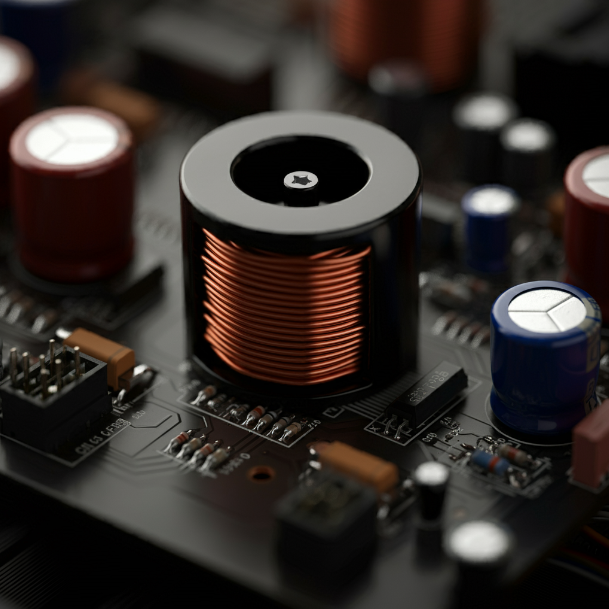
Self-designed transformers will transform manufacturing efficiency
2024-07-04
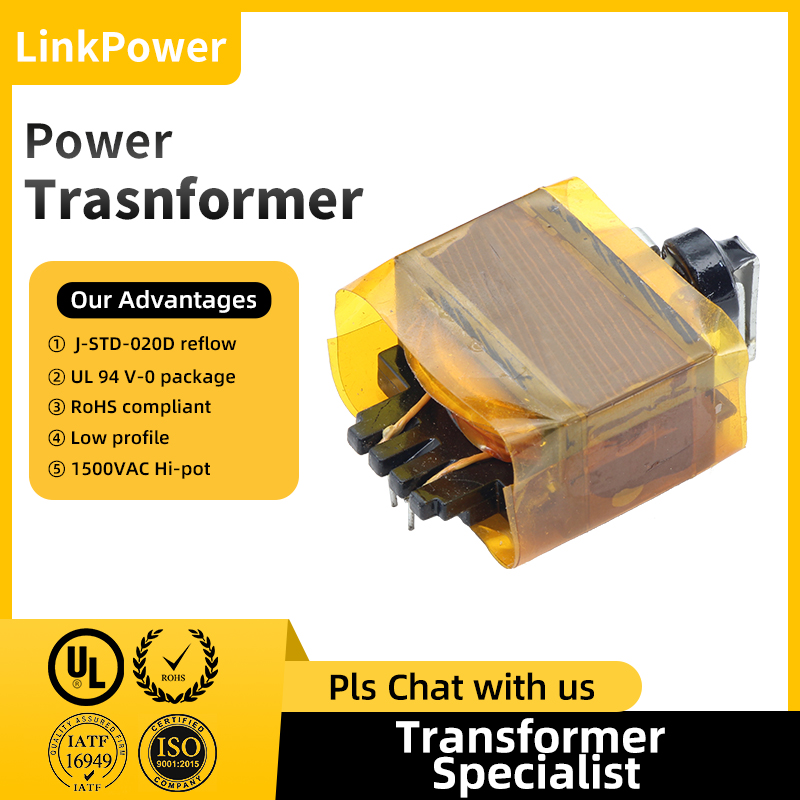
Designing your own transformer is a major advancement in manufacturing that will revolutionise operational efficiency and flexibility. Traditionally, transformers have been standardised components manufactured to fixed specifications, which often limits their ability to adapt to different operational requirements. However, recent innovations in in-house design technology have freed manufacturers from these limitations.
Companies such as TechCo Inc. and PowerTech Solutions have pioneered this innovation by integrating advanced artificial intelligence-driven design tools into their manufacturing processes. These tools enable engineers to customise transformer specifications with unprecedented precision. Whether it's optimising voltage ratios for specific industrial applications, adjusting load capacity to accommodate fluctuating demand, or improving energy efficiency to meet sustainability goals, these customisable transformers offer versatile solutions to a variety of operational challenges.
The advantages of designing your own transformer go beyond customisation. By aligning transformer specifications more closely with operational needs, organisations can achieve significant cost savings through reduced energy consumption and improved system reliability. This capability is particularly important in industries such as manufacturing where operational efficiency directly impacts competitiveness and profitability.
In addition, the adoption of self-designed transformers is expected to catalyse wider digital and smart manufacturing industry trends. Adoption of these transformative technologies by organisations will not only improve operational agility, but also pave the way for sustainable growth in a rapidly evolving market environment.
Industry analysts expect strong demand for self-designed transformers in the manufacturing, renewable energy and infrastructure sectors. This demand is driven by the need for flexible, cost-effective solutions that can adapt to changing operational dynamics while supporting long-term sustainability goals.
In summary, self-designed transformers represent a key advancement in industrial technology, providing tailored solutions that increase efficiency, reduce costs, and accelerate innovation across industries worldwide. As companies embrace these customisable solutions, they place themselves at the forefront of a new era of manufacturing excellence.
Translated with www.DeepL.com/Translator (free version)
Companies such as TechCo Inc. and PowerTech Solutions have pioneered this innovation by integrating advanced artificial intelligence-driven design tools into their manufacturing processes. These tools enable engineers to customise transformer specifications with unprecedented precision. Whether it's optimising voltage ratios for specific industrial applications, adjusting load capacity to accommodate fluctuating demand, or improving energy efficiency to meet sustainability goals, these customisable transformers offer versatile solutions to a variety of operational challenges.
The advantages of designing your own transformer go beyond customisation. By aligning transformer specifications more closely with operational needs, organisations can achieve significant cost savings through reduced energy consumption and improved system reliability. This capability is particularly important in industries such as manufacturing where operational efficiency directly impacts competitiveness and profitability.
In addition, the adoption of self-designed transformers is expected to catalyse wider digital and smart manufacturing industry trends. Adoption of these transformative technologies by organisations will not only improve operational agility, but also pave the way for sustainable growth in a rapidly evolving market environment.
Industry analysts expect strong demand for self-designed transformers in the manufacturing, renewable energy and infrastructure sectors. This demand is driven by the need for flexible, cost-effective solutions that can adapt to changing operational dynamics while supporting long-term sustainability goals.
In summary, self-designed transformers represent a key advancement in industrial technology, providing tailored solutions that increase efficiency, reduce costs, and accelerate innovation across industries worldwide. As companies embrace these customisable solutions, they place themselves at the forefront of a new era of manufacturing excellence.
Translated with www.DeepL.com/Translator (free version)
Advances in SMD Transformers Increase Efficiency in Electronics Manufacturing
Power transformers: the backbone of modern power infrastructure
Related Article
In the design field of high - frequency transformers and inductors, the introduction of an air gap in the magnetic core is a crucial yet delicate technique that requires careful trade - offs. The presence of an air gap not only significantly impacts magnetic properties but also has close relations with thermal stability and efficiency.
Air - Gap Design in High - Frequency Transformers: Trade - offs among Magnetic, Thermal, and Efficiency Aspects