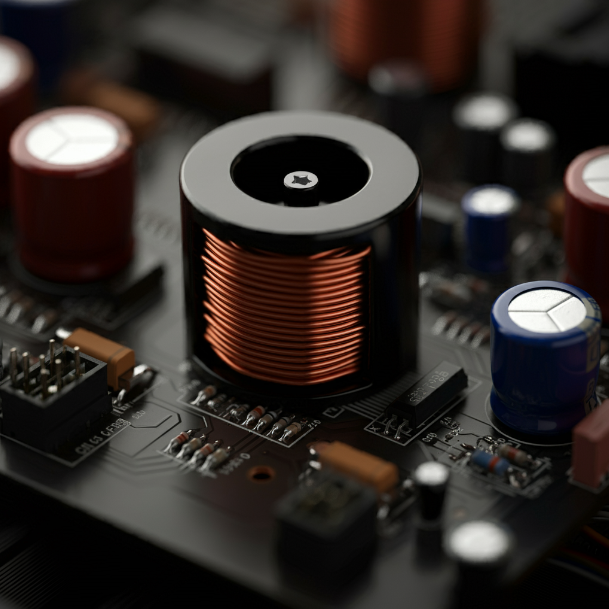
Surface Mount Technology (SMT) Process Transformers: Transforming Power Component Manufacturing
2024-06-27

The Rise of SMT Process Transformers
Surface mount technology has long been a staple in the production of electronic circuits, allowing components to be mounted directly onto the surface of printed circuit boards (PCBs). SMT process transformers designed specifically for this technology are becoming an important innovation in this field. SMT process transformers offer a number of advantages over traditional through-hole transformers, including reduced size, improved performance and simplified manufacturing processes.
Miniaturisation and space efficiency
One of the most significant advantages of SMT process transformers is their ability to support miniaturisation. These transformers help save valuable board space by eliminating the need for leads and allowing components to be mounted directly to the printed circuit board. This is critical for modern electronic devices, which are becoming increasingly compact and feature-rich. Applications ranging from smartphones and wearables to advanced medical devices and automotive electronics can greatly benefit from the space efficiency offered by SMT process transformers.
Higher performance and reliability
SMT process transformers are designed to deliver high performance and reliability, and the precise placement and soldering processes used in the SMT manufacturing process result in a strong mechanical bond and excellent electrical connections. This enhances the durability and reliability of the transformer, making it ideal for high-performance and mission-critical applications. In addition, the reduction of lead inductance and parasitic capacitance associated with SMT components contributes to improved electrical performance and signal integrity.
Streamlined Manufacturing Process
The use of SMT process transformers also brings significant advantages to the manufacturing process. the high degree of automation in SMT assembly reduces labour costs and minimises the potential for human error. the automation and high precision of the SMT placement machines result in faster cycle times and more consistent quality, ensuring that each transformer meets stringent performance standards. This streamlined production process is particularly suited to high-volume production environments such as consumer electronics and telecommunications equipment.
Thermal Management and Dissipation
Effective thermal management is critical to maintaining the performance and longevity of electronic components, and SMT process transformers excel in this area due to their low-profile design and direct contact with the printed circuit board, which facilitates effective heat dissipation. Improved heat dissipation helps prevent overheating and ensures stable operation even under harsh conditions. As a result, SMT process transformers are suitable for applications requiring robust thermal management, such as power supplies and industrial control systems.
Versatility and customisation
SMT process transformers are highly versatile and customisable. Manufacturers can customise the design of these transformers to meet specific application requirements, including different voltage levels, power ratings and form factors. This flexibility enables dedicated solutions for optimum performance in a wide range of electronic devices and systems. From consumer gadgets to complex industrial machinery, SMT process transformers can be customised to meet the unique needs of each application.
Future Prospects and Industry Impact
The adoption of SMT process transformers will have a profound impact on the electronics manufacturing industry. As the demand for smaller, more efficient, and more reliable electronic components continues to grow, SMT process transformers will play a critical role in meeting these needs, and will be a key technology for the future of electronics because of their ability to improve performance, simplify manufacturing processes, and support miniaturisation.
Conclusion
Surface mount technology (SMT) process transformers are revolutionising the power electronics industry with unrivalled advantages in size, performance and manufacturing efficiency. As electronic devices continue to evolve and demand more advanced power solutions, SMT process transformers will be at the forefront of change. The adoption of SMT process transformers is critical to driving innovation and achieving new levels of excellence for manufacturers and designers looking to stay ahead of the curve in the highly competitive electronics market.
Leading the Next Wave of Automotive Innovation
Planar Magnetic Transformers: The Future of Efficient Power Conversion
Related Article
In the design field of high - frequency transformers and inductors, the introduction of an air gap in the magnetic core is a crucial yet delicate technique that requires careful trade - offs. The presence of an air gap not only significantly impacts magnetic properties but also has close relations with thermal stability and efficiency.
Air - Gap Design in High - Frequency Transformers: Trade - offs among Magnetic, Thermal, and Efficiency Aspects