
Step-up Conversion Transformers Improve Power Efficiency for Modern Applications
2024-06-20
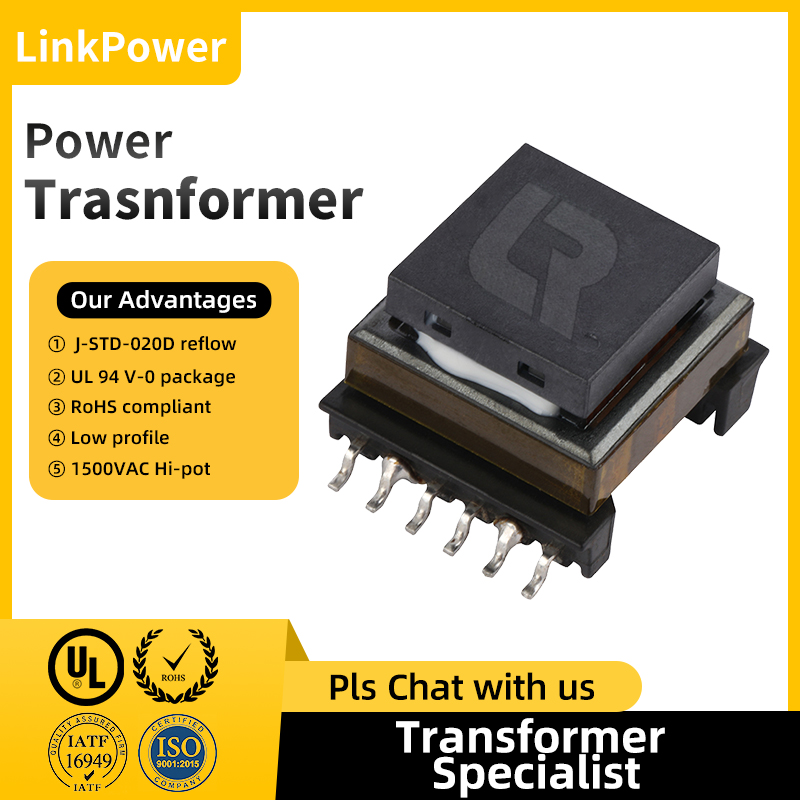
Key technological advances
The latest innovations in step-up converter transformers offer significant improvements in performance and efficiency:
High Efficiency: Utilising advanced materials such as silicon carbide (SiC) and gallium nitride (GaN), these transformers offer excellent efficiency, minimising energy loss and heat generation.
Compact design: New winding technologies and high-frequency operation result in smaller, lighter transformers that are ideal for space-constrained applications.
Increased Durability: Improved insulation and thermal management systems ensure that these transformers can withstand harsh environments and long periods of use.
Intelligent features: The integration of digital control systems enables real-time monitoring, diagnostics and optimisation to improve overall performance and reliability.
Compact design: New winding technologies and high-frequency operation result in smaller, lighter transformers that are ideal for space-constrained applications.
Increased Durability: Improved insulation and thermal management systems ensure that these transformers can withstand harsh environments and long periods of use.
Intelligent features: The integration of digital control systems enables real-time monitoring, diagnostics and optimisation to improve overall performance and reliability.
Impact on Industries
The introduction of advanced step-up converter transformers will bring significant benefits to a wide range of industries:
Renewable Energy: These transformers play a vital role in the efficient conversion and transmission of solar and wind power, optimising energy harvesting and reducing losses.
Electric Vehicles: Boost-conversion transformers are vital in the charging infrastructure of electric vehicles, increasing voltage levels as needed for fast and efficient charging.
Telecoms: In the telecoms sector, these transformers help to maintain a steady supply of power to critical infrastructure, ensuring uninterrupted service and improving network reliability.
Industrial Automation: In industrial applications, these transformers support the efficient operation of machinery and control systems, increasing productivity and reducing downtime.
Electric Vehicles: Boost-conversion transformers are vital in the charging infrastructure of electric vehicles, increasing voltage levels as needed for fast and efficient charging.
Telecoms: In the telecoms sector, these transformers help to maintain a steady supply of power to critical infrastructure, ensuring uninterrupted service and improving network reliability.
Industrial Automation: In industrial applications, these transformers support the efficient operation of machinery and control systems, increasing productivity and reducing downtime.
Industry Applications and Response
Leaders in the renewable energy, automotive and telecoms industries are rapidly adopting these advanced step-up converter transformers. major players such as ABB, Siemens and General Electric are incorporating these products into their latest offerings to highlight their superior efficiency and compact design.
Future outlook
The future of step-up converter transformers is promising, with current research focusing on further improving their efficiency, durability and smart features. Emerging technologies such as artificial intelligence and the Internet of Things are expected to drive even greater innovation, leading to more advanced and efficient power management solutions.
In conclusion, the development of advanced step-up conversion transformers marks a significant advancement in power electronics. With their high efficiency, compact design and reliability, these transformers are bound to revolutionise various industries, driving improvements in energy efficiency, operational reliability and overall performance. As adoption of these transformers increases, they will play a key role in shaping the future of power management, contributing to a more efficient and sustainable world.
Voltage Converters Pave the Way for Efficient Power Solutions
Advanced Low Voltage DC Power Transformers Bring Efficiency Revolution
Related Article
In the design field of high - frequency transformers and inductors, the introduction of an air gap in the magnetic core is a crucial yet delicate technique that requires careful trade - offs. The presence of an air gap not only significantly impacts magnetic properties but also has close relations with thermal stability and efficiency.
Air - Gap Design in High - Frequency Transformers: Trade - offs among Magnetic, Thermal, and Efficiency Aspects