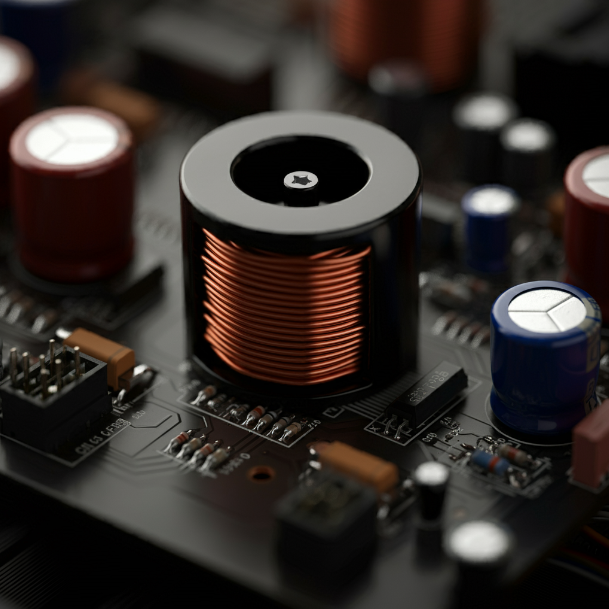
Surface Mount Transformers Revolutionise Electronic Design
2024-07-08
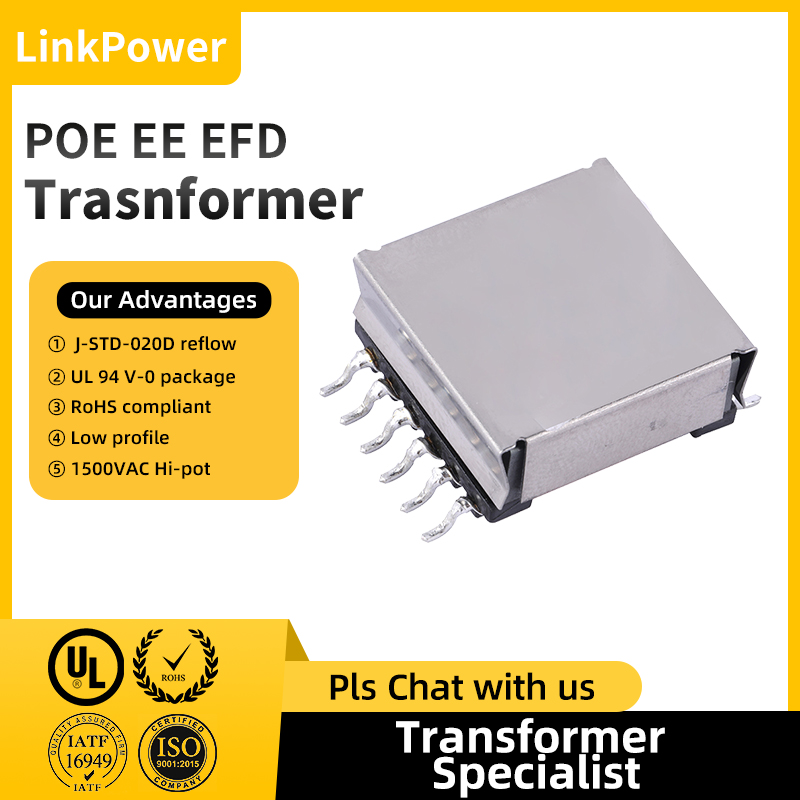
Surface Mount Transformers (SMT) are a major advancement in the field of electronic design, featuring small size, high efficiency and reliability for a wide range of applications. These transformers are indispensable components in modern electronic devices, providing essential functions such as voltage conversion, impedance matching and isolation in a space-saving manner.
Key features and applications:
Compact design: SMT can be mounted directly onto a printed circuit board, minimising space requirements and enabling dense board layouts. This compact design is critical for portable electronics, telecommunications equipment and miniaturised devices.
High-frequency performance: SMTs are optimised for high-frequency operation, making them suitable for applications such as RF (radio frequency) circuits, telecommunication and data transmission equipment that require fast signal processing.
Efficient power management: These transformers efficiently manage power conversion and distribution, helping to improve the overall energy efficiency of equipment such as power supplies, converters and inverters.
Reliable Performance: With advances in materials and manufacturing processes, SMT is characterised by stable performance, low electromagnetic interference (EMI) and high reliability to meet the stringent requirements of industrial automation, automotive electronics and consumer electronics.
Wide range of applications: SMT is widely used in various industries, including
Telecommunications: Modems, routers and network equipment to ensure reliable data transmission and signal integrity.
Consumer Electronics: Power management and signal processing in devices such as smartphones, tablets and wearable technology.
Automotive: In vehicle communication systems, power electronics and infotainment systems to support advanced vehicle connectivity and functionality.
Industrial Automation: For efficient power conversion and noise suppression in control systems, motor drives, and robotics applications.
Market Trends and Innovations:
Consumer Electronics: Power management and signal processing in devices such as smartphones, tablets and wearable technology.
Automotive: In vehicle communication systems, power electronics and infotainment systems to support advanced vehicle connectivity and functionality.
Industrial Automation: For efficient power conversion and noise suppression in control systems, motor drives, and robotics applications.
Market Trends and Innovations:
The SMT market is fuelled by the growing demand for smaller and more efficient electronic devices across a wide range of industries. Manufacturers continue to innovate to enhance SMT performance, reduce size and improve reliability. Key trends include
Miniaturisation: Continuous efforts to reduce the footprint of SMT while maintaining or improving performance characteristics.
Advanced Materials: Integration of advanced magnetic materials to improve efficiency and reduce losses.
High Frequency Capability: Developing SMTs that can operate at higher frequencies to support next-generation communication standards and faster data rates.
Future Outlook:
Advanced Materials: Integration of advanced magnetic materials to improve efficiency and reduce losses.
High Frequency Capability: Developing SMTs that can operate at higher frequencies to support next-generation communication standards and faster data rates.
Future Outlook:
The use of surface mount transformers is expected to grow as technology evolves and applications demand higher performance in smaller form factors. These transformers will continue to play a key role in the development of innovative electronic products with greater functionality, efficiency and reliability.
Advances in High Frequency Transformer Design Drive Electronics Innovation
Network Transformers Drive Modern Communication Systems
Related Article
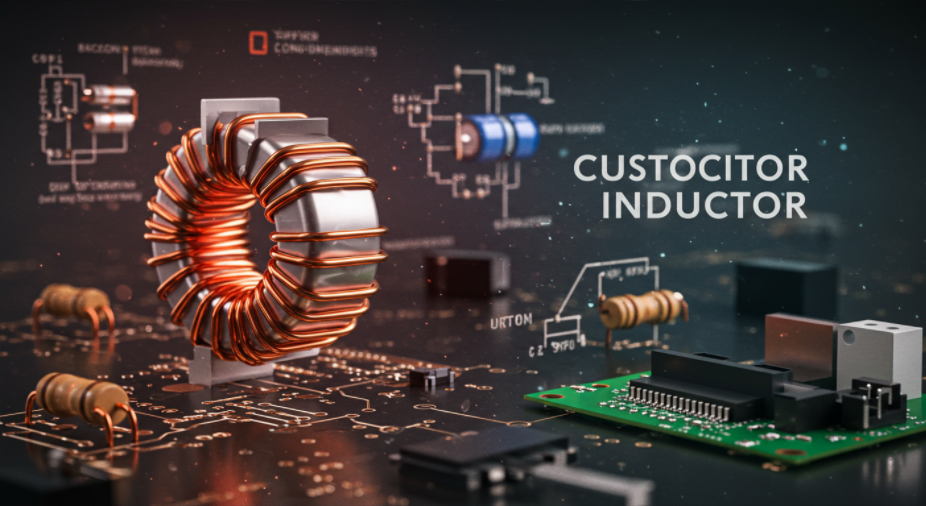
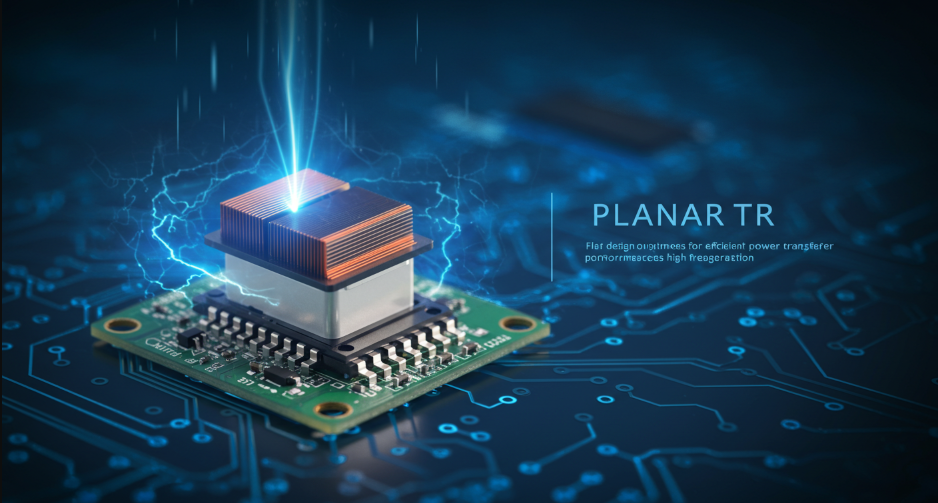
In the design field of high - frequency transformers and inductors, the introduction of an air gap in the magnetic core is a crucial yet delicate technique that requires careful trade - offs. The presence of an air gap not only significantly impacts magnetic properties but also has close relations with thermal stability and efficiency.
Air - Gap Design in High - Frequency Transformers: Trade - offs among Magnetic, Thermal, and Efficiency Aspects