
Transformer integration on circuit boards: Improving electrical efficiency and performance
2024-07-02

Improving Electrical Efficiency
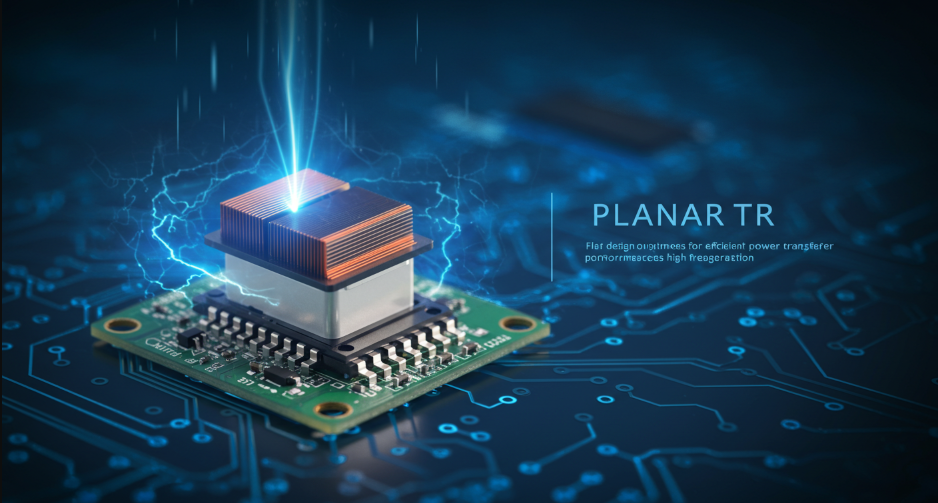
By integrating the transformer onto the board, engineers can minimise the power losses associated with traditional external transformers. This integration optimises power distribution in compact spaces, improves energy efficiency and reduces long-term operating costs.
Optimise space and reduce footprint
Integrating the transformer into the circuit board eliminates the need for bulky external components, reducing the overall footprint of the electronic device. This space-saving design is particularly beneficial in industries where compactness and portability are key factors, such as consumer electronics and IoT devices.
Improved Performance and Reliability
Direct integration of transformers enhances signal integrity and reduces electromagnetic interference (EMI), resulting in improved performance and reliability of electronic systems. Such improvements are critical to maintaining stable operation in sensitive applications such as telecommunications, medical devices and industrial automation.
Technological Advances and Applications
Technological advances in transformer integration on circuit boards include advanced materials and manufacturing techniques that ensure robustness and durability. These innovations enable transformers to operate efficiently at various frequencies and voltage levels to support a wide range of electronic applications.
Applications and Market Impact
Transformers integrated into circuit boards are gaining momentum in a wide range of industries seeking to streamline manufacturing processes and improve product performance. This trend is driven by the need for smaller, more efficient electronic devices that meet stringent performance requirements.
Future Outlook
Looking ahead, further innovation in transformer integration is expected to focus on increasing power density, increasing frequency capability and enabling seamless integration with emerging technologies such as artificial intelligence and 5G. These developments will continue to reshape electronic design and manufacturing, paving the way for more compact and efficient devices.
Conclusion
The integration of transformers onto circuit boards represents a major advancement in the field of electrical engineering, increasing efficiency, reducing footprint and improving performance in a variety of electronic applications. This innovation highlights the critical role of transformers in driving technological advances and the development of smart, connected systems in the digital age.
Broadband Modem Transformers: Pioneering Connectivity Enhancements
Transformative Advances in xDSL Modem Technology: Enhancing Broadband Connectivity
Related Article
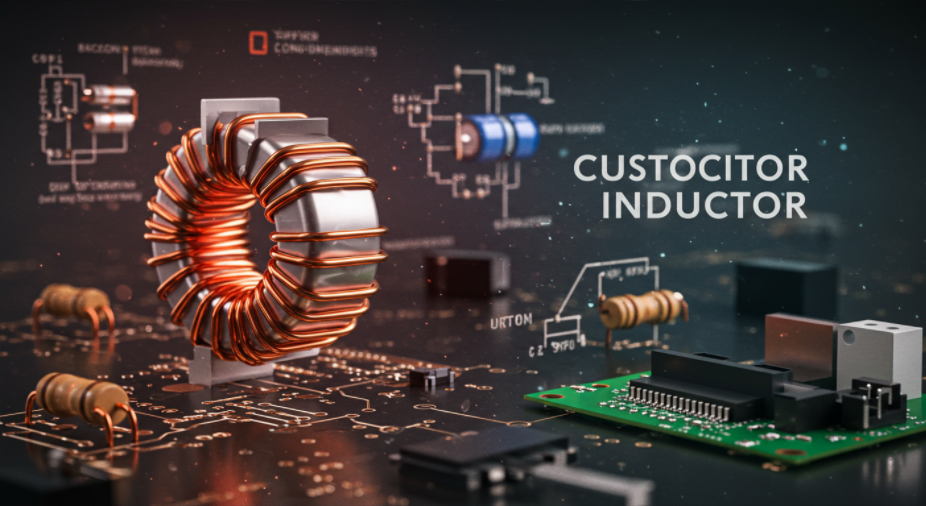
In the design field of high - frequency transformers and inductors, the introduction of an air gap in the magnetic core is a crucial yet delicate technique that requires careful trade - offs. The presence of an air gap not only significantly impacts magnetic properties but also has close relations with thermal stability and efficiency.
Air - Gap Design in High - Frequency Transformers: Trade - offs among Magnetic, Thermal, and Efficiency Aspects