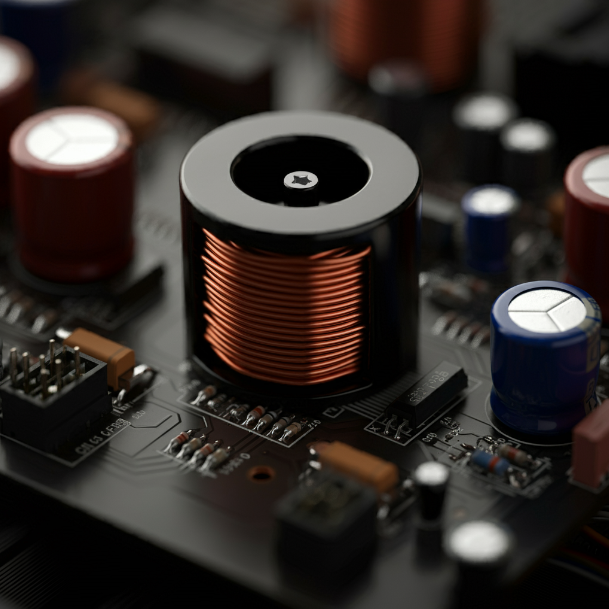
Transformative Advances in Power over Ethernet (PoE) Transformers
2024-06-25
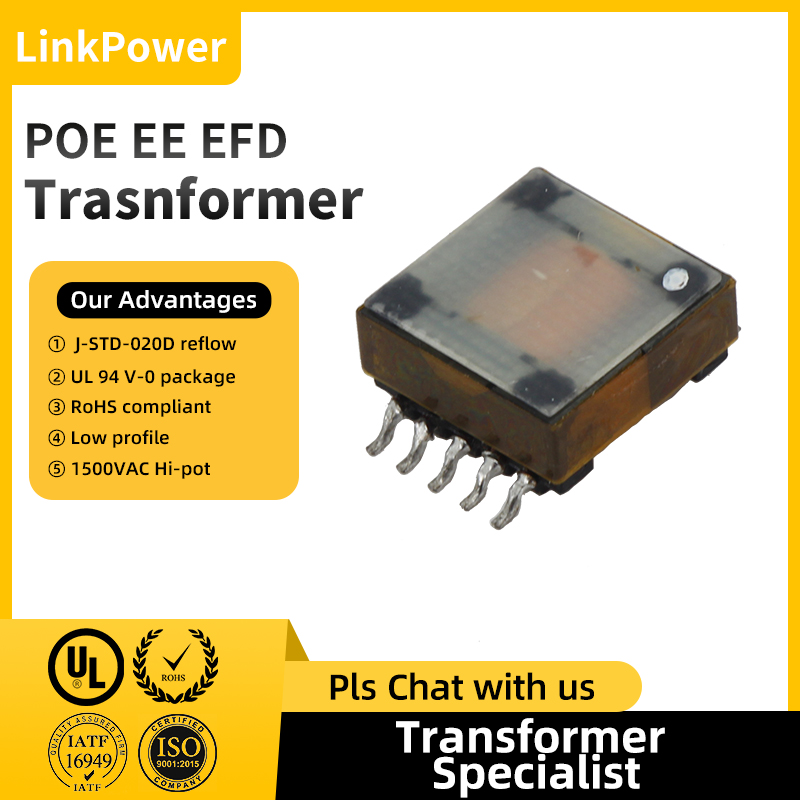
Cutting-edge innovations in PoE transformers
Enhanced power supply capabilities:
The development of the IEEE 802.3bt standard has significantly increased the power output capacity of PoE transformers to support up to 100 watts. This higher power capacity supports a wider range of applications, including advanced security systems, smart lighting solutions, and industrial automation equipment. These high-power PoE transformers are designed to meet the growing energy demands of modern devices while maintaining efficient power delivery.
Improved Energy Efficiency:
Recent advances in PoE transformers have focused on reducing energy losses and improving overall efficiency. Innovations in core materials (such as the use of nanocrystalline alloys) and advances in winding technology have led to significant improvements in transformer efficiency. These developments help to minimise heat generation, reduce operating costs and improve the performance of PoE networks.
Recent advances in PoE transformers have focused on reducing energy losses and improving overall efficiency. Innovations in core materials (such as the use of nanocrystalline alloys) and advances in winding technology have led to significant improvements in transformer efficiency. These developments help to minimise heat generation, reduce operating costs and improve the performance of PoE networks.
Miniaturisation and integration:
The trend toward miniaturisation has also had an impact on PoE transformers. Smaller, more compact transformer designs are now available that can be more easily integrated into various devices and enclosures. This miniaturisation is particularly beneficial for space-constrained applications such as surveillance cameras, compact wireless access points and other IoT devices.
The trend toward miniaturisation has also had an impact on PoE transformers. Smaller, more compact transformer designs are now available that can be more easily integrated into various devices and enclosures. This miniaturisation is particularly beneficial for space-constrained applications such as surveillance cameras, compact wireless access points and other IoT devices.
Smart PoE solutions:
Intelligent PoE transformers with advanced monitoring capabilities are becoming a key innovation. These intelligent solutions dynamically adjust power delivery to the requirements of connected devices, monitor energy consumption in real time, and provide detailed diagnostic data. This level of intelligence supports proactive maintenance and improves the reliability and efficiency of PoE networks.
Intelligent PoE transformers with advanced monitoring capabilities are becoming a key innovation. These intelligent solutions dynamically adjust power delivery to the requirements of connected devices, monitor energy consumption in real time, and provide detailed diagnostic data. This level of intelligence supports proactive maintenance and improves the reliability and efficiency of PoE networks.
Addressing the Challenges
Thermal Management:
Managing heat dissipation remains a key challenge for PoE transformers, especially those delivering higher power. To address this issue, we are developing advanced thermal management solutions such as improved heat sinks, thermal interface materials, and active cooling systems. Efficient thermal management is critical to ensure the longevity and reliability of PoE transformers and connected devices.
Distance and signal integrity:
While PoE technology is typically limited to 100 metres, progress is being made to extend transmission distances without compromising signal integrity or power delivery. Innovative solutions such as powered fibre optic cables and advanced signal processing technologies are being explored to overcome these limitations and enable wider, more flexible network deployments.
While PoE technology is typically limited to 100 metres, progress is being made to extend transmission distances without compromising signal integrity or power delivery. Innovative solutions such as powered fibre optic cables and advanced signal processing technologies are being explored to overcome these limitations and enable wider, more flexible network deployments.
Compatibility and Interoperability:
Ensuring compatibility between different PoE standards and devices remains a challenge. Efforts are underway to develop more robust and versatile PoE transformers that can operate seamlessly with a wide range of devices and comply with multiple standards. Industry collaboration and certification schemes also play an important role in improving interoperability.
Ensuring compatibility between different PoE standards and devices remains a challenge. Efforts are underway to develop more robust and versatile PoE transformers that can operate seamlessly with a wide range of devices and comply with multiple standards. Industry collaboration and certification schemes also play an important role in improving interoperability.
Electromagnetic Compatibility (EMC):
Addressing electromagnetic interference (EMI) is critical to the reliable operation of PoE systems. Improved shielding techniques, better cable designs and advanced filtering solutions are being implemented to mitigate EMI and ensure stable performance in different environments.
Addressing electromagnetic interference (EMI) is critical to the reliable operation of PoE systems. Improved shielding techniques, better cable designs and advanced filtering solutions are being implemented to mitigate EMI and ensure stable performance in different environments.
Market Impact and Future Prospects
Advances in PoE transformer technology are having a profound impact on a wide range of industries, from commercial property and smart cities to healthcare and industrial automation. The ability to deliver higher power levels, coupled with greater efficiency and intelligent features, is expanding the range of applications for PoE technology.
Looking ahead, the PoE transformer market is expected to grow significantly as more and more industries adopt PoE solutions to enhance their network infrastructure. Continuous innovation and collaboration among industry players will be key to overcoming existing challenges and opening up new opportunities.
Overcoming PoE Power Limitations with Advanced Transformer Technology
Advances and Challenges in Power over Ethernet (PoE) Transformers
Related Article
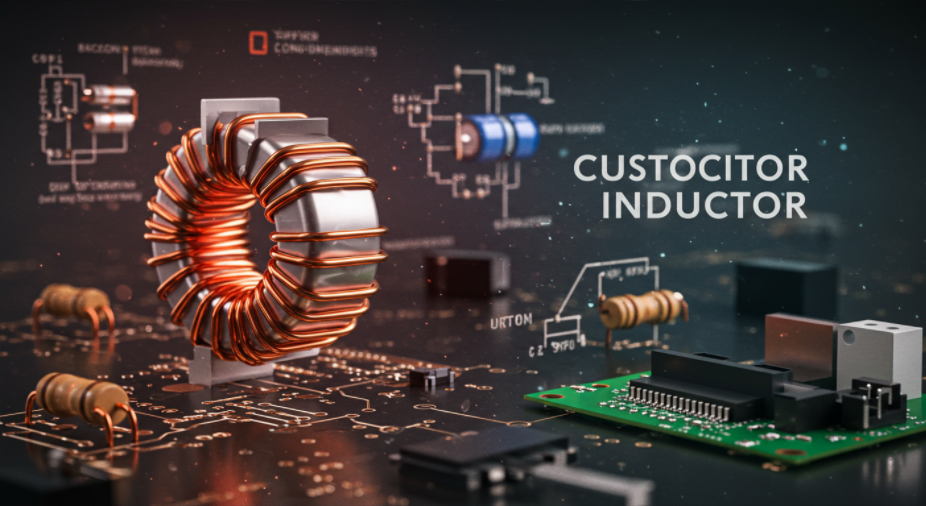
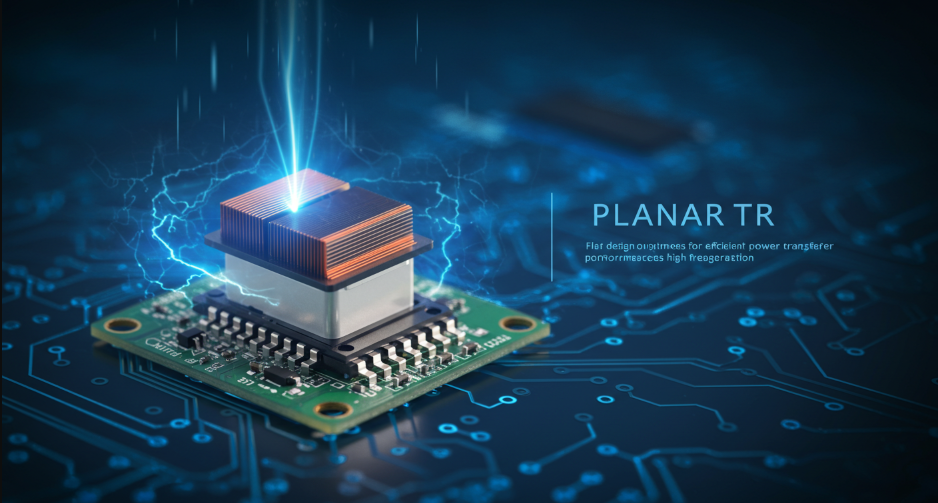
In the design field of high - frequency transformers and inductors, the introduction of an air gap in the magnetic core is a crucial yet delicate technique that requires careful trade - offs. The presence of an air gap not only significantly impacts magnetic properties but also has close relations with thermal stability and efficiency.
Air - Gap Design in High - Frequency Transformers: Trade - offs among Magnetic, Thermal, and Efficiency Aspects