
Innovations in Power Transformer Technology Improve Energy Efficiency and Reliability
2024-07-31

The power transformer industry is experiencing significant growth, driven by the need for efficient and reliable energy distribution across a wide range of industries. Power transformers are essential for regulating voltage and ensuring stable energy delivery, making them indispensable for industrial, commercial and residential applications.
The latest technological developments in power transformers focus on improving performance through advanced materials and optimised design. These innovations are designed to meet the growing demand for energy-efficient, reliable power solutions. The use of high-grade magnetic cores and precision winding technology has resulted in transformers with higher efficiencies and reduced energy losses, ensuring optimum performance in a wide range of applications.
A major breakthrough in the power transformer industry has been the integration of smart technology. Modern transformers are now equipped with in-built sensors and control systems that provide real-time monitoring and dynamic adjustment. This capability enables precise regulation of voltage and current, improving system stability and reducing the risk of power-related problems.
The trend towards miniaturisation is also influencing the design of power transformers. Engineers are developing more compact, lighter-weight transformers that maintain high performance while adapting to space-constrained environments. This trend is particularly relevant to applications in portable devices and compact electronic systems, where efficient use of space is critical.
Thermal management continues to be the focus of power transformer innovation. New thermal solutions are being adopted in transformer design to ensure efficient heat dissipation and prevent overheating. These advances are helping to improve the reliability and lifetime of transformers, especially in high-power applications where thermal conditions are challenging.
Sustainability is becoming an increasingly important consideration in transformer development. Manufacturers are adopting environmentally friendly materials and energy-efficient production processes to minimise the environmental impact of their products. This is in line with a wider industry trend towards more sustainable and energy-efficient technologies.
In addition, power transformers designed for renewable energy applications are gaining traction. Transformers for solar and wind energy systems are being developed to meet the special requirements of these technologies, such as higher power levels and variable operating conditions. These specialised transformers support the efficient conversion and distribution of renewable energy sources and contribute to the development of sustainable power solutions.
As the power and distribution sectors continue to evolve, advances in power transformer technology are critical to improving efficiency, reliability and adaptability. These innovations will support the development of modern energy systems and contribute to efficient power management in a variety of applications.
Custom Inductors Revolutionise Performance and Efficiency for Professional Applications
Advanced VDSL Transformers Drive High-Speed Internet Connections
Related Article
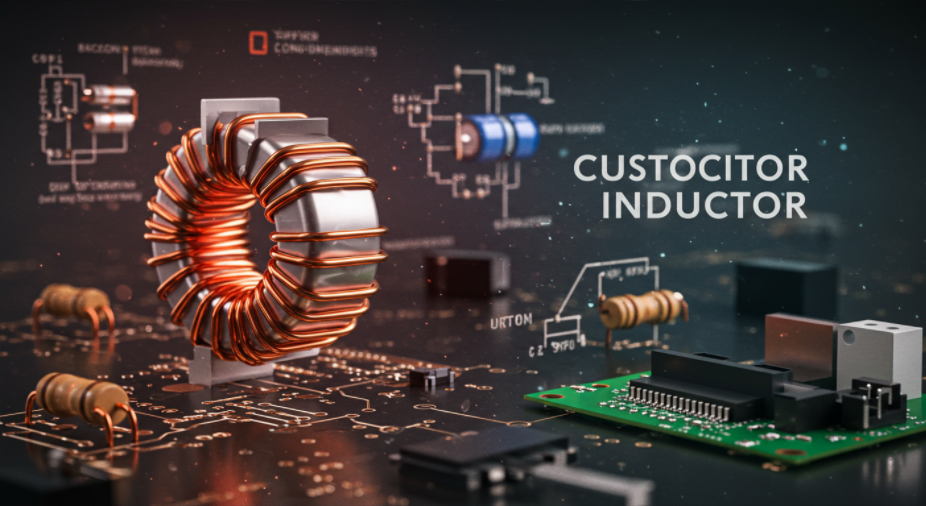
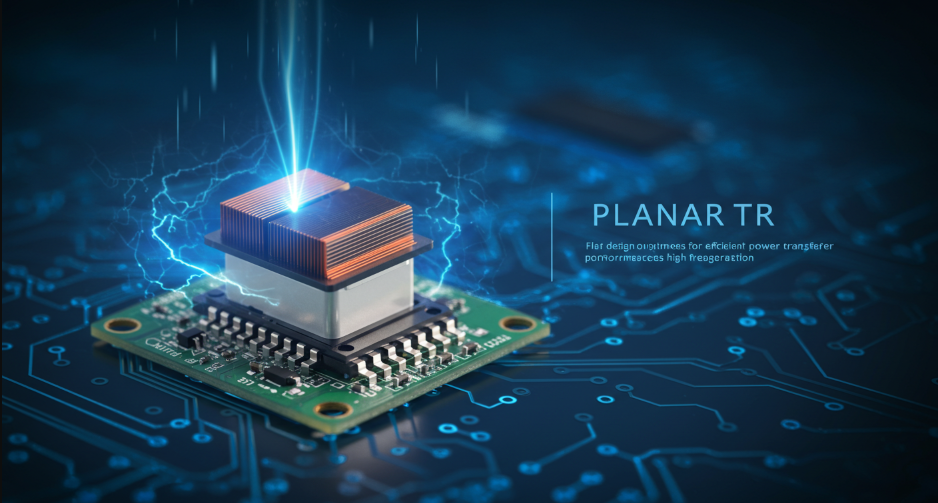
In the design field of high - frequency transformers and inductors, the introduction of an air gap in the magnetic core is a crucial yet delicate technique that requires careful trade - offs. The presence of an air gap not only significantly impacts magnetic properties but also has close relations with thermal stability and efficiency.
Air - Gap Design in High - Frequency Transformers: Trade - offs among Magnetic, Thermal, and Efficiency Aspects