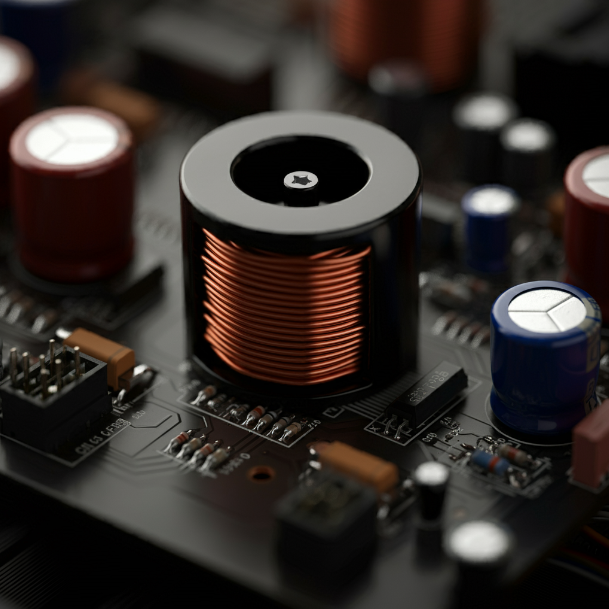
Voltage Converters Pave the Way for Efficient Power Solutions
2024-06-20
Innovative Technology Developments
Voltage converters are experiencing significant advances driven by innovations designed to improve efficiency, reliability and adaptability:
Efficiency optimisation: Advanced semiconductor materials such as silicon carbide (SiC) and gallium nitride (GaN) are increasing the efficiency of voltage converters, reducing energy losses and improving overall performance.
Compact design: Innovations in core materials and compact winding technology are making voltage converters smaller and lighter for space-constrained applications.
Intelligent integration: Digital control systems and intelligent algorithms are integrated into the voltage converter, enabling real-time monitoring, adaptive control and predictive maintenance to maximise uptime and efficiency.
Environmental Resilience: Improved thermal management and robust construction techniques ensure that the voltage converter operates reliably in a wide range of environmental conditions, from extreme temperatures to challenging industrial environments.
Impact on Industries
The widespread adoption of advanced voltage converters will bring significant benefits to major industries:
Renewable Energy: Contribute to a cleaner, more sustainable energy ecosystem by facilitating efficient power conversion and grid integration of renewable energy sources such as solar and wind.
Electric Vehicles: Supporting the transition to electric vehicles by establishing fast and efficient charging infrastructure, extending vehicle range and improving overall performance.
Telecoms: Ensuring a stable, high-quality power supply to telecoms networks is critical to maintaining reliable communications services in the digital age.
Industrial Automation: Improving the efficiency and reliability of automated production processes, optimising energy use and increasing industrial productivity.
Industry Applications and Future Outlook
Key players in the power electronics industry, including leading manufacturers and technology companies, are increasingly investing in and deploying advanced voltage converters. companies such as ABB, Siemens and Schneider Electric are at the forefront of integrating these cutting-edge technologies into their portfolios to meet growing market demand.
Looking ahead, current R&D efforts are focused on further improving the efficiency, reliability and adaptability of voltage converters. Emerging trends such as Artificial Intelligence (AI) and the Internet of Things (IoT) are expected to further accelerate innovation and pave the way for smarter, more connected power solutions.
In conclusion, voltage converters are a key component in the evolution towards more efficient and sustainable energy systems. Their advanced capabilities are driving significant improvements across industries, shaping a future where reliable, efficient power distribution is critical to global technological advancement.
Custom-designed transformers drive power system innovation
Step-up Conversion Transformers Improve Power Efficiency for Modern Applications
Related Article
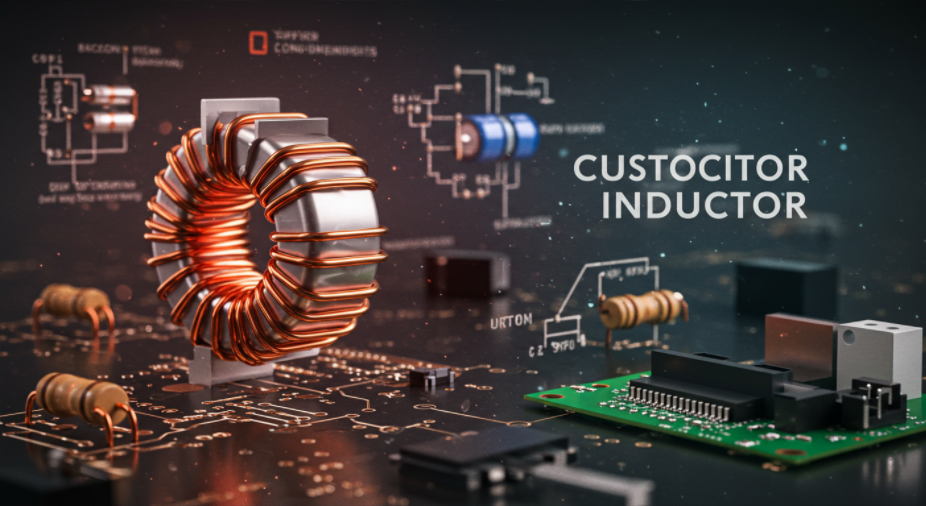
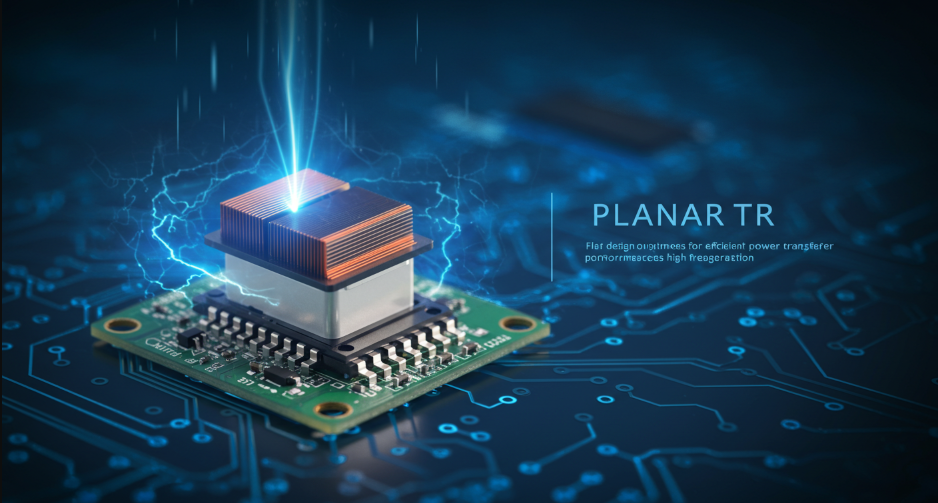
In the design field of high - frequency transformers and inductors, the introduction of an air gap in the magnetic core is a crucial yet delicate technique that requires careful trade - offs. The presence of an air gap not only significantly impacts magnetic properties but also has close relations with thermal stability and efficiency.
Air - Gap Design in High - Frequency Transformers: Trade - offs among Magnetic, Thermal, and Efficiency Aspects