
Planar transformers are a crucial component in the electronic industry, providing high performance and reliable power transfer.
2024-05-06
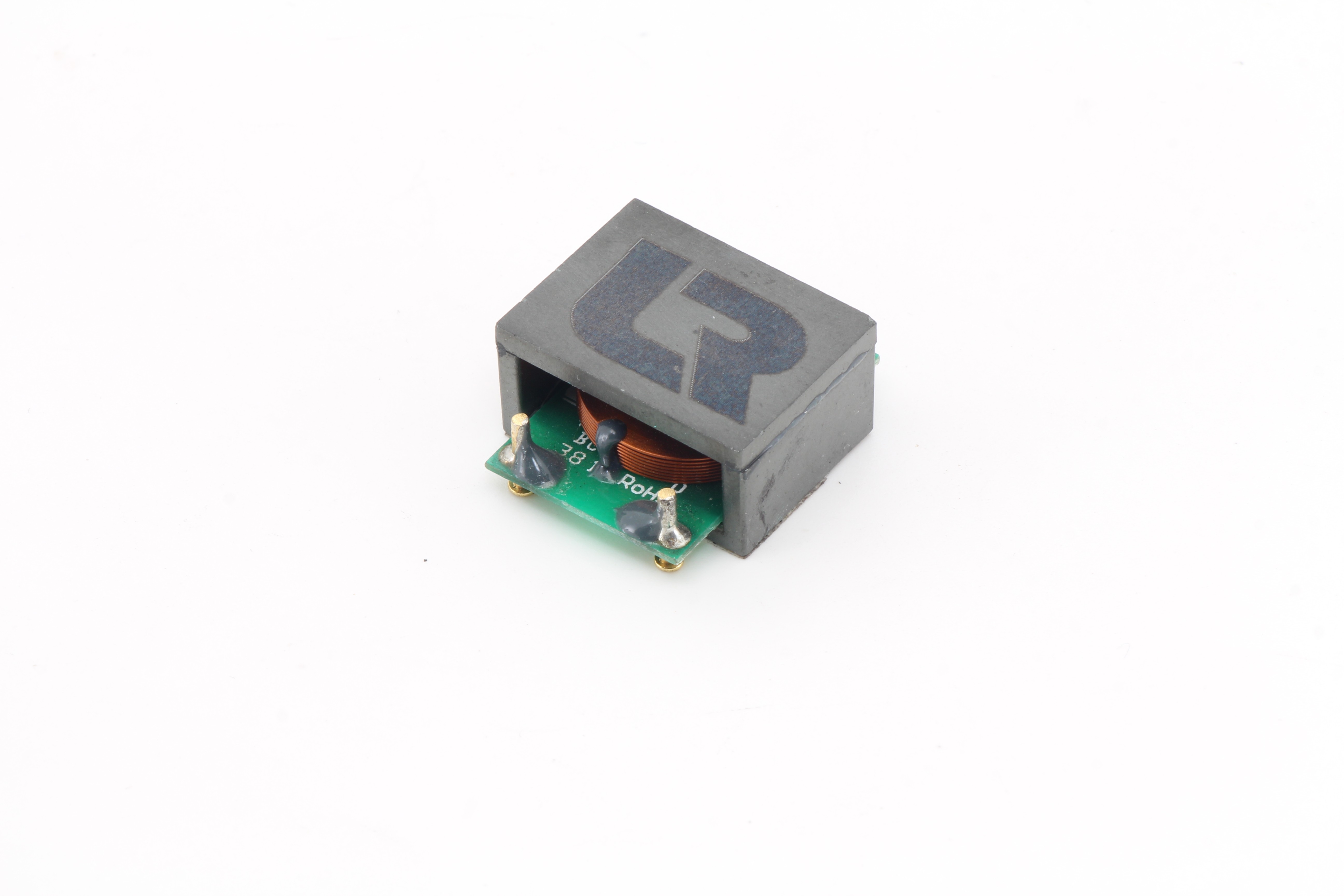
Planar transformers are a crucial component in the electronic industry, providing high performance and reliable power transfer. Planar transformer design, in particular, has been rapidly advancing in recent years, driving innovation and creating new opportunities in the industry.
Planar transformer design involves the use of laminated magnetic cores, which makes them more efficient and compact compared to traditional wire-wound transformers. This has resulted in reduced power losses, higher-frequency range capacity, and better thermal management capabilities, making them ideal for use in a range of applications, including switch-mode power supplies, lighting, and industrial automation systems.
Manufacturers of planar transformer designs have focused on creating products that are more efficient and reliable, while also incorporating advanced features such as better thermal management and smaller form factors. The latest designs use innovative materials and construction techniques, often involving multi-layer PCBs, to provide better performance and higher power densities while also reducing costs.
Planar transformer design has also played a vital role in developing advanced electronic technologies, such as electric vehicle charging stations and high-frequency communications systems. These applications require smaller, more efficient, and higher power density transformers, creating new opportunities for innovation.
In conclusion, the advancements in planar transformer design have driven innovation and created tremendous opportunities in the electronic industry. As the industry continues to evolve, manufacturers will continue to push the boundaries of what is possible with planar transformer design, allowing for more efficient and cost-effective electronic devices.
Planar transformer design involves the use of laminated magnetic cores, which makes them more efficient and compact compared to traditional wire-wound transformers. This has resulted in reduced power losses, higher-frequency range capacity, and better thermal management capabilities, making them ideal for use in a range of applications, including switch-mode power supplies, lighting, and industrial automation systems.
Manufacturers of planar transformer designs have focused on creating products that are more efficient and reliable, while also incorporating advanced features such as better thermal management and smaller form factors. The latest designs use innovative materials and construction techniques, often involving multi-layer PCBs, to provide better performance and higher power densities while also reducing costs.
Planar transformer design has also played a vital role in developing advanced electronic technologies, such as electric vehicle charging stations and high-frequency communications systems. These applications require smaller, more efficient, and higher power density transformers, creating new opportunities for innovation.
In conclusion, the advancements in planar transformer design have driven innovation and created tremendous opportunities in the electronic industry. As the industry continues to evolve, manufacturers will continue to push the boundaries of what is possible with planar transformer design, allowing for more efficient and cost-effective electronic devices.
XDSL transformers have become an essential component in the telecommunications industry, providing efficient power conversion for digital subscriber line (DSL) technology.
Planar transformer PCB technology has become a critical component in the electronic and power industries.
Related Article
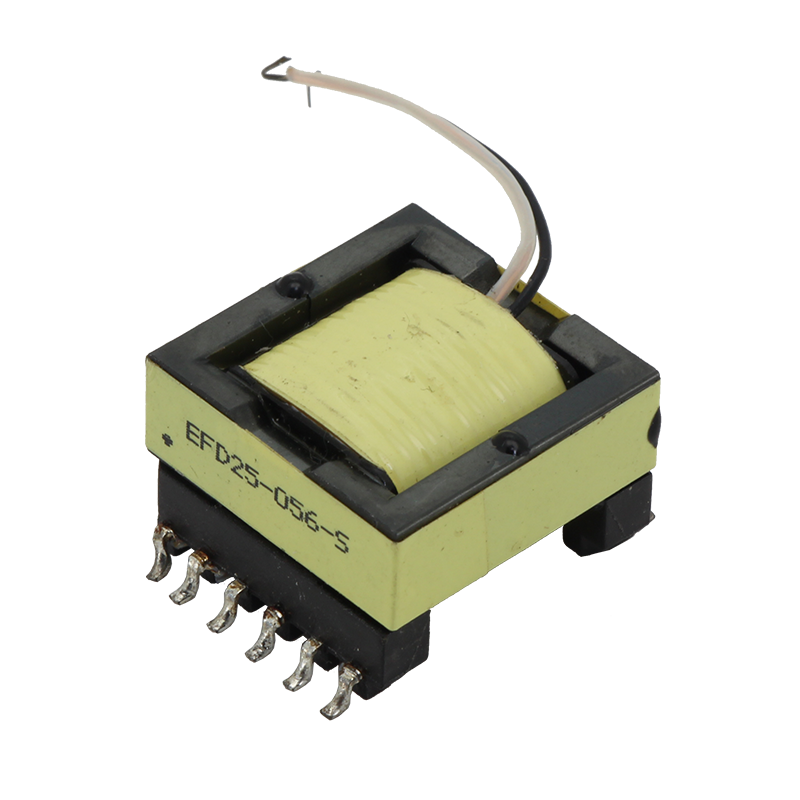
Inductors and transformers for power electronics have been evolving to meet the increasing demand for smaller, more efficient, and cost-effective designs.
Inductors and transformers are vital components in the power electronics industry, providing reliable energy storage and transfer.
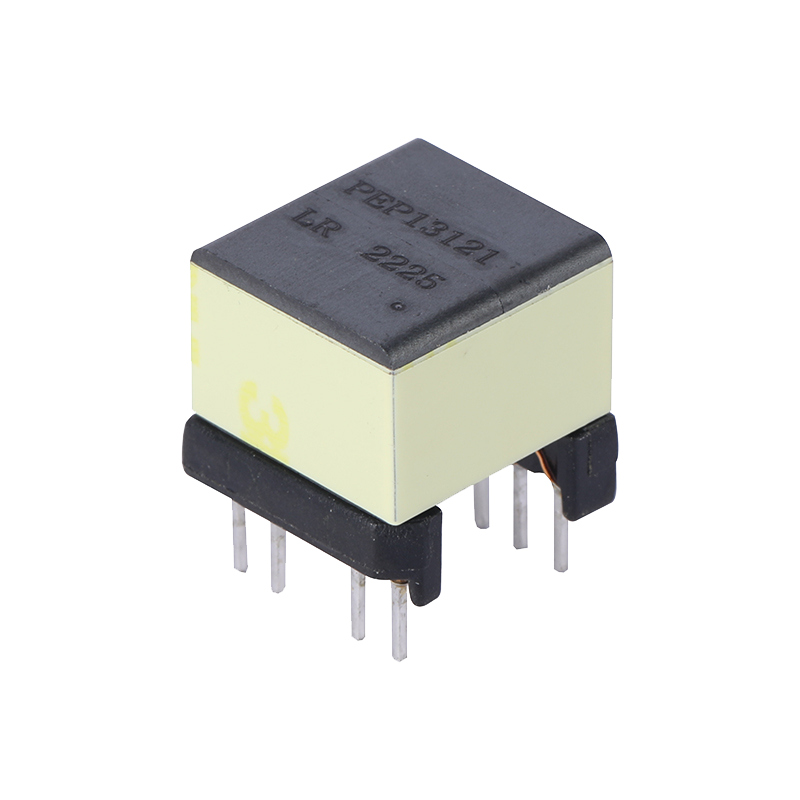
ADSL transformers are designed to operate at high frequencies, allowing for the transmission of high-speed data over traditional telephone lines.
ADSL transformers are a vital component in the telecommunications industry, providing efficient power conversion and data transmission for Asymmetric Digital Subscriber Line (ADSL) technology.
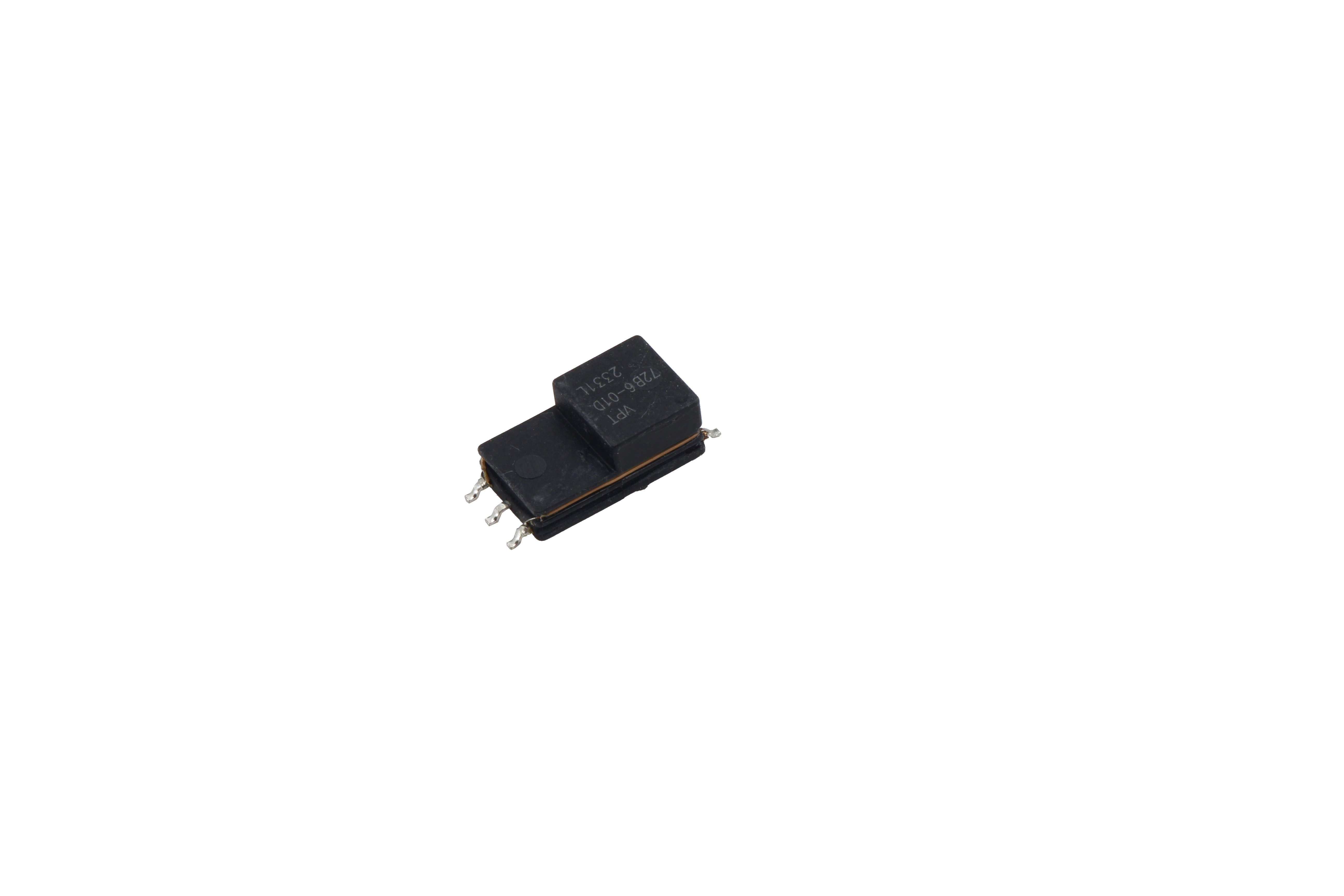
Transformer inductors operate on the principle of electromagnetic induction, converting electrical energy from one circuit to another.
Transformer inductors are a critical component in the electronic industry
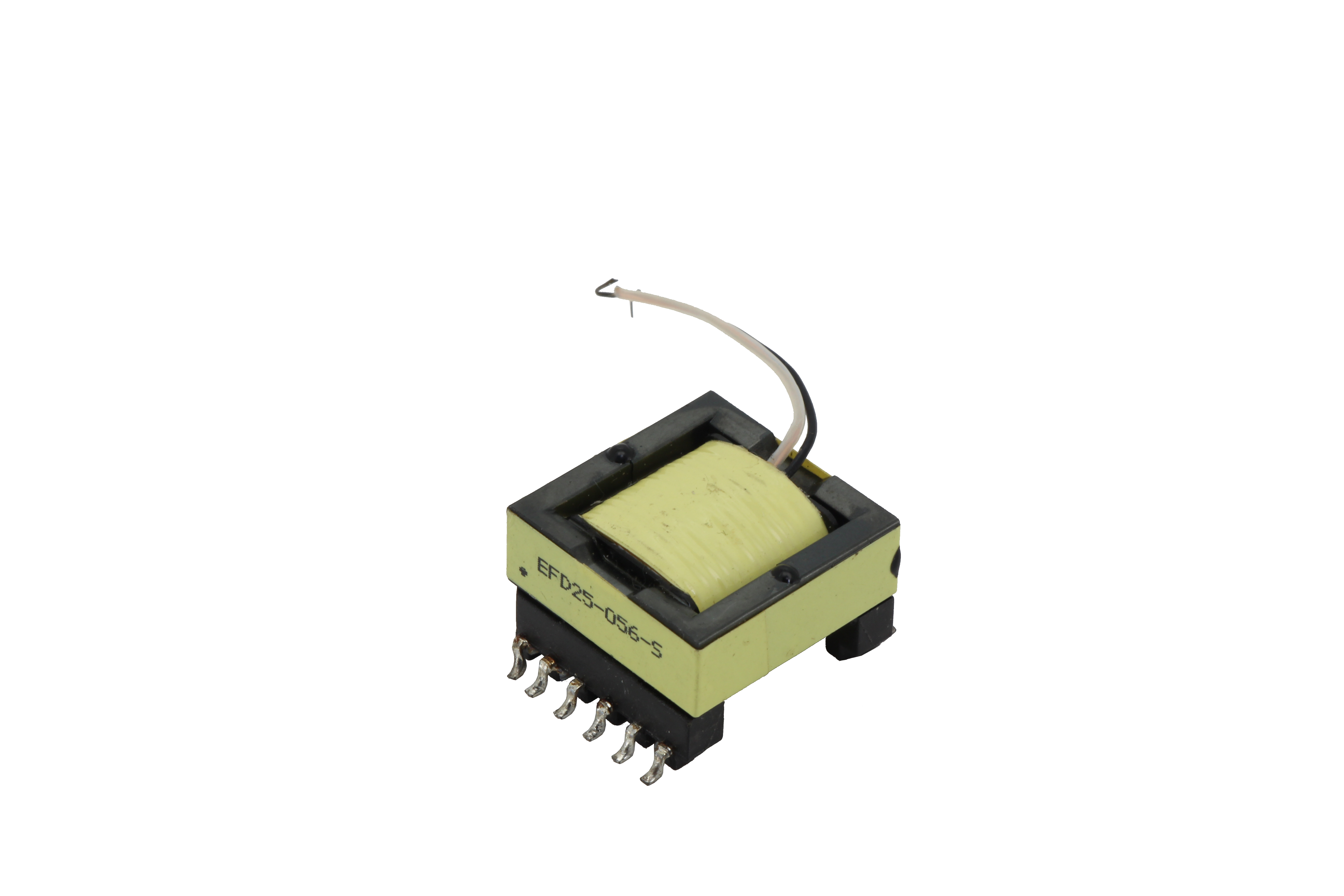
Power supply transformer manufacturers have been continuously innovating to improve the performance of their products.
Power supply transformers are a critical component in the electronic industry, providing efficient and reliable power transfer for a broad range of applications, including computers, household appliances, medical equipment, and industrial machinery.