Unraveling the Science of Inductor Coils: Function, Types, and Applications
Inductor coils play a pivotal role in modern electronics, serving as fundamental components in countless devices. From power supplies to communication systems, these versatile components are essential for managing energy, filtering signals, and stabilizing circuits. In this article, we’ll explore the science behind inductor coils, their various types, and applications, and highlight how customized solutions can cater to specific industry needs.

What are Inductor Coils?
Inductor coils, often referred to simply as inductors, are passive electrical components designed to store energy in a magnetic field when current flows through them. They consist of a wire wound into a coil, which creates the inductance required for energy storage and manipulation.
How Do Inductor Coils Work?
When electrical current flows through the wire in an inductor coil, it generates a magnetic field around it. This magnetic field resists changes in current, making inductors particularly useful for filtering, energy storage, and controlling current flow in electrical circuits. The inductance value, measured in henries (H), depends on factors such as the number of coil turns, core material, and coil dimensions.

Common Types of Inductor Coils
1. Air-Core Inductors
These inductors do not have a magnetic core, relying on air or a non-magnetic material. They are ideal for high-frequency applications due to their low core losses.
Applications:
- RF circuits
- Wireless communication systems
2. Iron-Core Inductors
Iron-core inductors use a ferromagnetic core to increase inductance. They are widely used in power applications where higher energy storage is required.
Applications:
- Transformers
- Audio equipment
3. Ferrite-Core Inductors
Ferrite-core inductors are highly efficient at suppressing high-frequency noise. Their compact size and lightweight nature make them suitable for modern electronic devices.
Applications:
- EMI suppression
- Power supplies
4. Toroidal Inductors
These inductors have a doughnut-shaped core, offering high efficiency and minimal electromagnetic interference (EMI).
Applications:
- AC power systems
- Industrial electronics

Applications of Inductor Coils
Energy Storage and Conversion
Inductors store energy in their magnetic fields, making them vital for DC-DC converters and inverters.
Signal Filtering
Inductors filter out unwanted noise and stabilize signals in communication and audio systems.
Electromagnetic Interference (EMI) Suppression
Ferrite-core inductors effectively block high-frequency noise, ensuring smooth operation of electronic devices.
Transformers
In transformer applications, inductor coils facilitate efficient energy transfer between circuits.
Why Choose Custom Inductors?
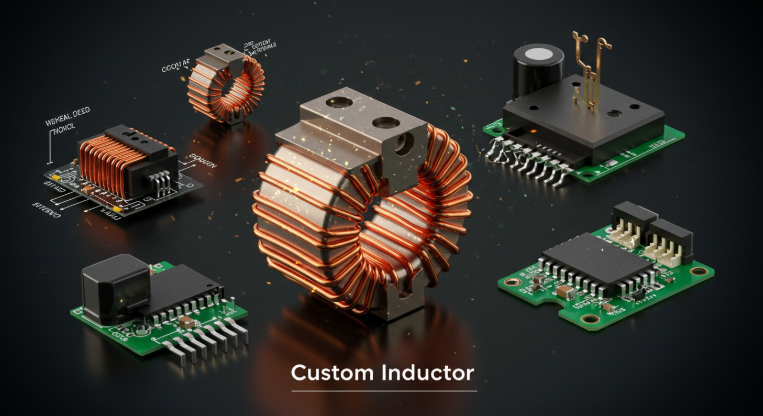
While standard inductor coils meet the needs of many applications, custom inductors provide tailored solutions that maximize performance. Industries such as automotive, telecommunications, and renewable energy often require inductors designed for specific operational conditions.

Link-Power's Custom Inductor Solutions
At Link-Power, we specialize in delivering custom inductor solutions that align with your unique requirements. Our Custom Inductor series is designed to provide:
- High precision and reliability
- Compatibility with demanding environments
- Flexible design options for specific applications
Why Partner with Link-Power?
- Over 15 years of experience in designing cutting-edge inductors
- Advanced manufacturing facilities with rigorous quality control
- Comprehensive support from design to delivery
Whether you need inductors for energy storage, EMI suppression, or high-frequency filtering, Link-Power's Custom Inductors are the perfect solution.
Call to Action
Discover the benefits of tailored inductor solutions for your applications. Contact us today to learn more about Link-Power’s custom inductor series!
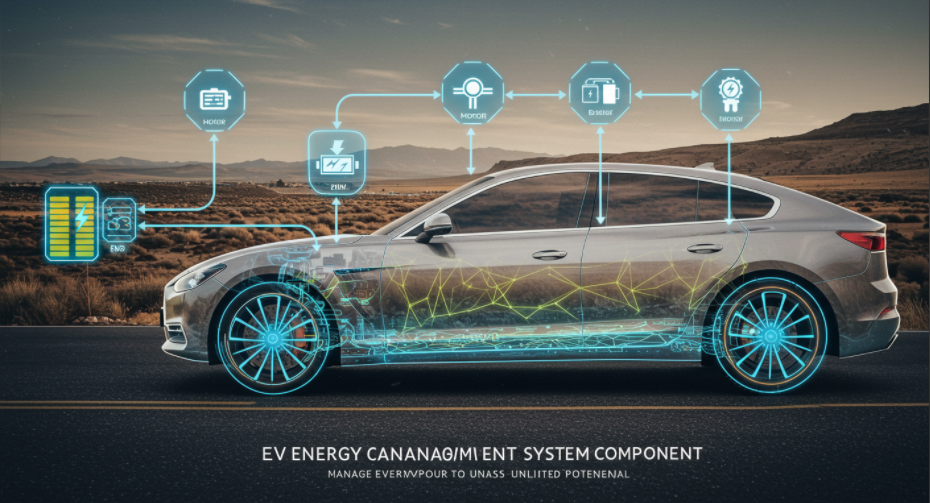
Understanding EV Energy Management System Components: Key to Efficient Electric Vehicles
Related Article