Understanding EV Energy Management System Components: Key to Efficient Electric Vehicles
As the world transitions toward sustainable transportation, electric vehicles (EVs) have become a cornerstone of innovation. Central to the efficiency and performance of these vehicles is the EV Energy Management System (EV EMS). This sophisticated system ensures optimal energy distribution, maximizing battery life, performance, and overall efficiency. Let’s explore the essential components of an EV energy management system and how they work together to keep electric vehicles running smoothly.
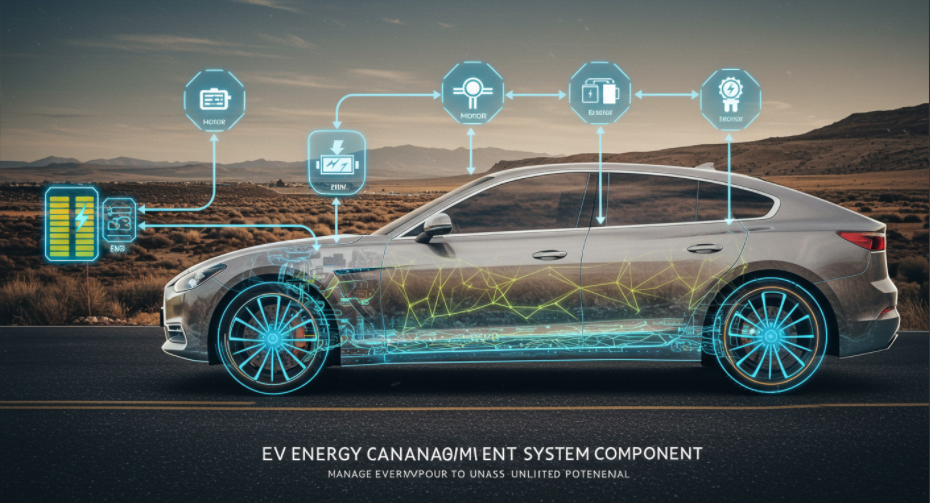
What is an EV Energy Management System (EMS)?
An EV Energy Management System is the brain of an electric vehicle’s power system. It oversees the energy flow between various components such as the battery, electric motor, and auxiliary systems. By optimizing energy usage, the EMS enhances the vehicle's range, efficiency, and safety while minimizing energy waste.
Key Components of an EV Energy Management System
1. Battery Management System (BMS)
The Battery Management System is a vital component that monitors and controls the battery's state. It ensures the battery operates within safe parameters, manages charging and discharging cycles, and balances cells for optimal performance.
Key Functions:
- Monitoring battery health and temperature
- Preventing overcharging or over-discharging
- Maximizing battery lifespan
2. Power Electronics
Power electronics act as the intermediary between the battery and the electric motor, converting energy into usable forms. These include inverters, converters, and rectifiers, which ensure the smooth operation of high-voltage systems.
Key Functions:
- Converting DC energy from the battery to AC for the motor
- Managing voltage levels for auxiliary systems
- Enhancing energy efficiency during acceleration and regenerative braking
3. Electric Drive Controller
This component regulates the operation of the electric motor based on driver input. It translates commands from the accelerator pedal into precise power output, ensuring a seamless driving experience.
Key Functions:
- Managing torque and speed control
- Synchronizing energy flow between the battery and motor
- Improving energy efficiency during variable load conditions
4. Charging System
The charging system, including onboard chargers and connectors, is critical for replenishing the EV battery. Advanced EV EMS designs integrate smart charging features for optimized energy usage.
Key Features:
- Fast charging capabilities
- Energy recovery during braking
- Integration with renewable energy sources
5. Thermal Management System
Maintaining an optimal temperature is crucial for the efficient operation of batteries, power electronics, and the motor. A robust thermal management system ensures safe and reliable performance under various conditions.
Key Functions:
- Cooling high-power components
- Enhancing system reliability
- Reducing energy losses due to overheating
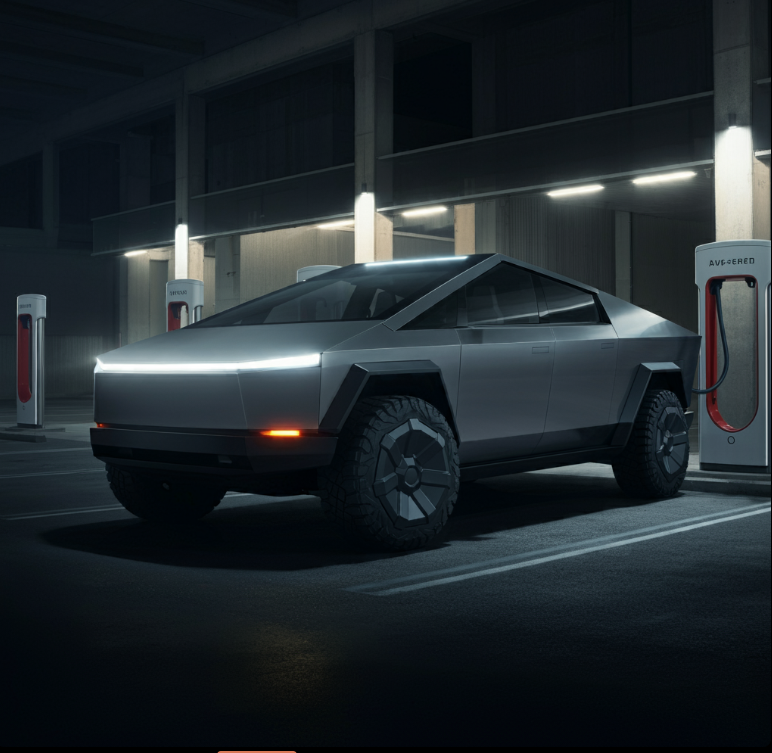
Emerging Trends in EV Energy Management Systems
As EV technology advances, energy management systems are becoming more sophisticated:
- Integration with AI and IoT: Real-time monitoring and predictive analytics are enhancing system efficiency.
- Renewable Energy Integration: EMS now facilitates the use of solar or wind power for charging.
- Bidirectional Charging: Future systems will allow energy transfer between vehicles and the grid (V2G).
Why EV EMS Components Matter
Efficient EV energy management relies on the seamless interaction of its components. A well-designed EMS optimizes energy flow, prevents waste, and extends the vehicle’s lifespan. For manufacturers and consumers alike, the right components ensure better performance, reliability, and sustainability.
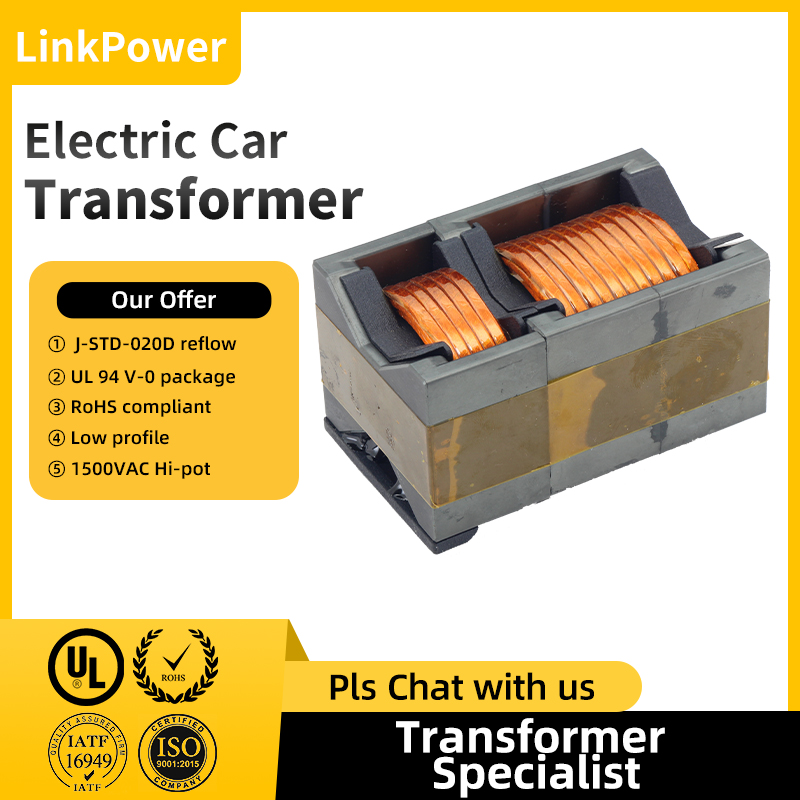
How Link-Power Supports EV Energy Systems
At Link-Power, we specialize in providing advanced electric vehicle transformers tailored for EMS applications. Our products are designed to ensure high-efficiency energy transfer, reliability under high power demands, and compact designs that suit the unique requirements of EV systems.
Key Features of Link-Power EV Transformers:
- High-frequency operation for efficient energy conversion
- Robust thermal management for demanding conditions
- Customizable designs to fit specific EMS applications
Whether you’re developing new EV systems or optimizing existing ones, Link-Power’s transformer solutions are your partner in powering the future of electric vehicles.
Call to Action
Ready to optimize your EV energy management system? Contact us today to learn how Link-Power’s transformers can elevate your EV performance and efficiency.
Unraveling the Science of Inductor Coils: Function, Types, and Applications
Planar Transformer Design: Advancing Efficiency and Compactness in Power Solutions
Related Article