Understanding the Components of EMS in Electric Vehicles (EVs)
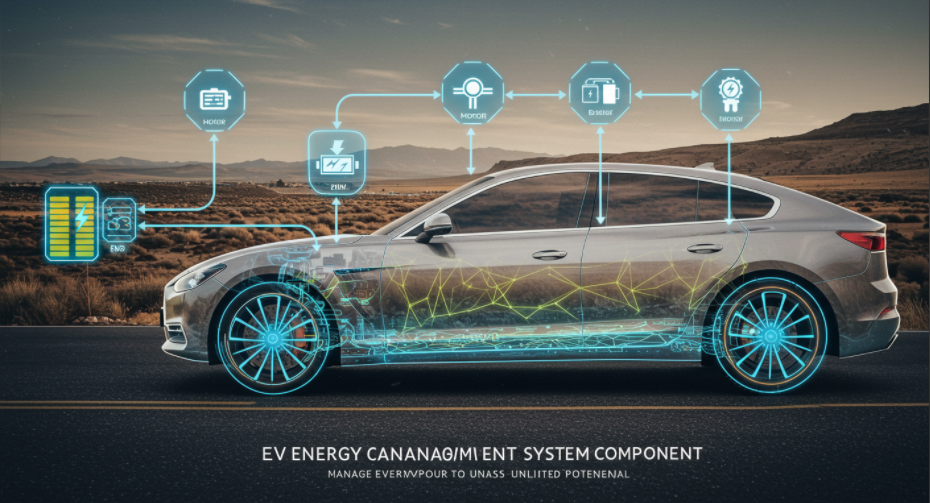
Electric vehicles (EVs) are revolutionizing the automotive industry, not just for their environmental benefits but also for the sophisticated systems that make them run efficiently. One critical yet often overlooked part of this system is the Energy Management System (EMS), which ensures that power is effectively utilized throughout the vehicle. Let’s dive into the key components of EMS in electric vehicles and understand how they contribute to a seamless driving experience.
What Is an EMS in Electric Vehicles?
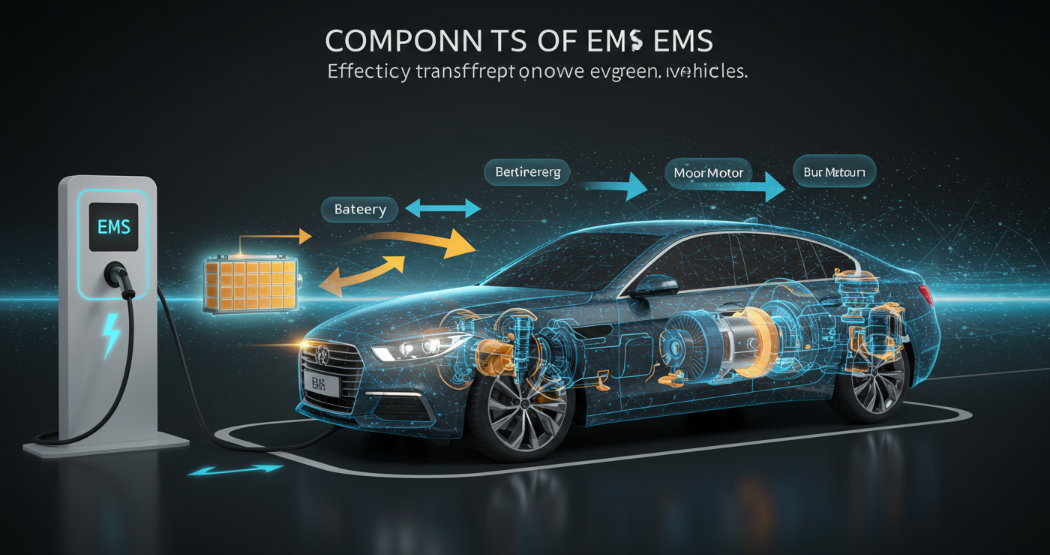
The EMS in EVs is responsible for managing energy flow, ensuring the battery and associated components work efficiently to power the vehicle. It controls how energy is stored, distributed, and consumed, optimizing performance while extending battery life.
Key Components of EMS in EVs
-
Battery Management System (BMS)
At the heart of the EMS is the Battery Management System, which monitors the health, temperature, and state-of-charge (SOC) of the battery pack. It ensures the battery operates within safe limits, preventing overcharging, overheating, or deep discharging. -
Electric Vehicle Transformer (EV Transformer)
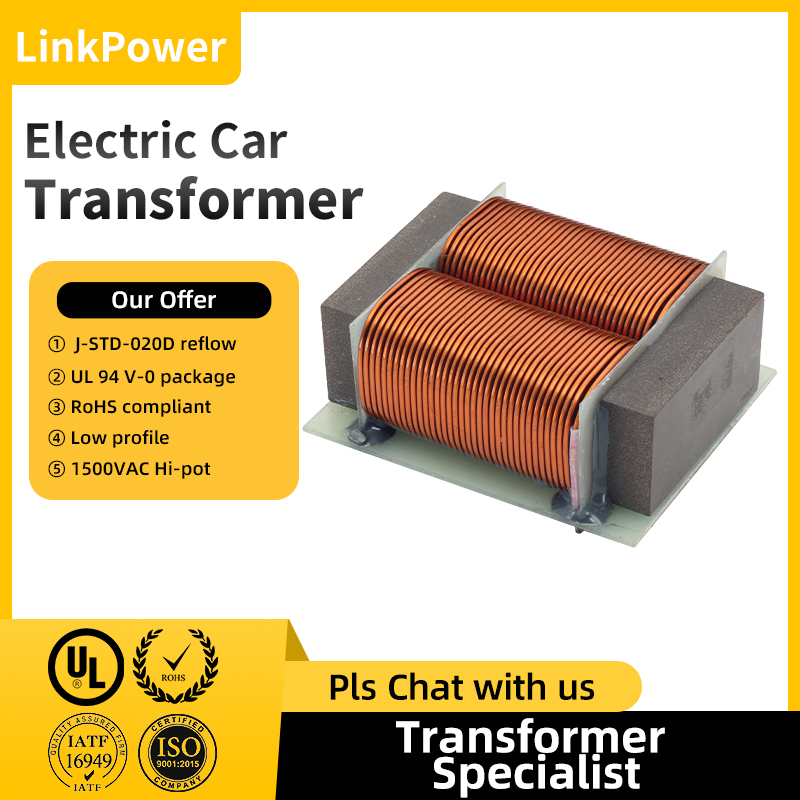
EV Transformers are crucial for voltage regulation and power conversion. These components ensure efficient energy transfer between the battery, motor, and auxiliary systems. A high-quality transformer minimizes energy loss and enhances the overall efficiency of the vehicle. -
Power Inverters
Power inverters convert DC power from the battery into AC power required by the motor. Advanced inverters improve energy efficiency, resulting in smoother performance and increased driving range. -
Onboard Chargers
These systems convert AC power from charging stations into DC power for the battery. The efficiency of the onboard charger determines how quickly and effectively the vehicle can recharge. -
Thermal Management Systems
Thermal management is vital for maintaining the optimal operating temperature of the battery and other components. Effective cooling systems enhance performance and prolong the lifespan of critical parts. -
Energy Distribution Unit (EDU)
The EDU distributes energy to different components, such as the motor and auxiliary systems, ensuring seamless operation. It acts as the central hub for energy flow management within the vehicle.
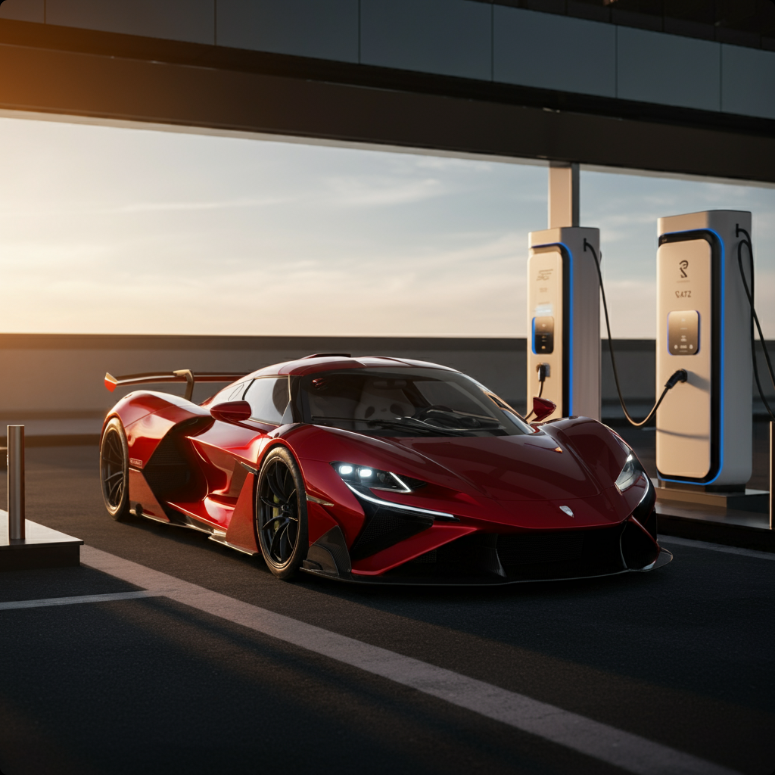
Why High-Quality Components Matter in EMS
A well-designed EMS with premium components ensures:
- Improved Efficiency: Maximizing energy use reduces waste and extends the vehicle’s range.
- Safety: Properly managed energy flow minimizes risks like overheating or short circuits.
- Durability: Quality components withstand wear and tear, providing long-term reliability.
Link-Power's EV Transformers: Driving Innovation in EMS
At Link-Power, we understand the critical role that EV Transformers play in modern electric vehicles. Our transformers are engineered to:
- Enhance Voltage Regulation: Ensure stable power flow to motors and auxiliary systems.
- Optimize Energy Efficiency: Reduce losses and improve overall system performance.
- Meet Global Standards: Comply with industry certifications, ensuring safety and reliability.
With years of expertise in transformer technology, Link-Power provides solutions tailored to the unique demands of the electric vehicle industry. Whether you're designing an advanced EV or upgrading existing systems, our transformers deliver unparalleled performance and durability.
Conclusion
Understanding the components of EMS in electric vehicles highlights the complexity and innovation behind these machines. Each component, from the BMS to the EV Transformer, plays a pivotal role in ensuring efficiency, safety, and reliability. As EV adoption continues to grow, investing in high-quality components like those offered by Link-Power can make all the difference in creating superior electric vehicles.
What is xDSL? Understanding the Technology Behind Modern Broadband
What Are Planar Transformers?
Related Article