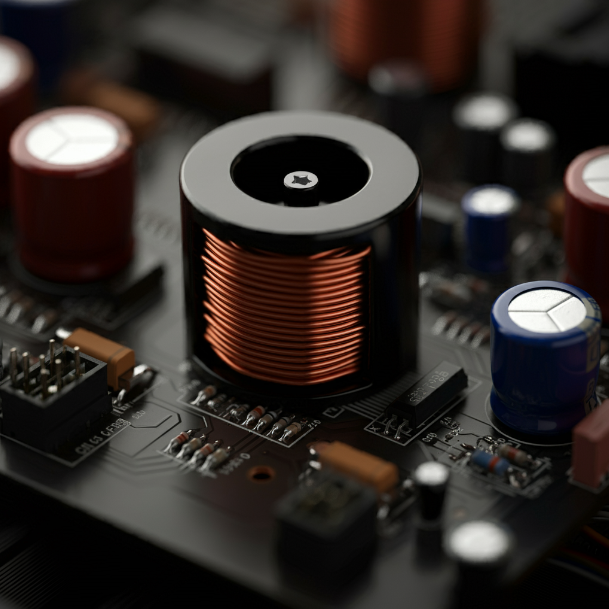
EP Transformers Improve Efficiency and Reliability of Power Distribution Systems
2024-07-05
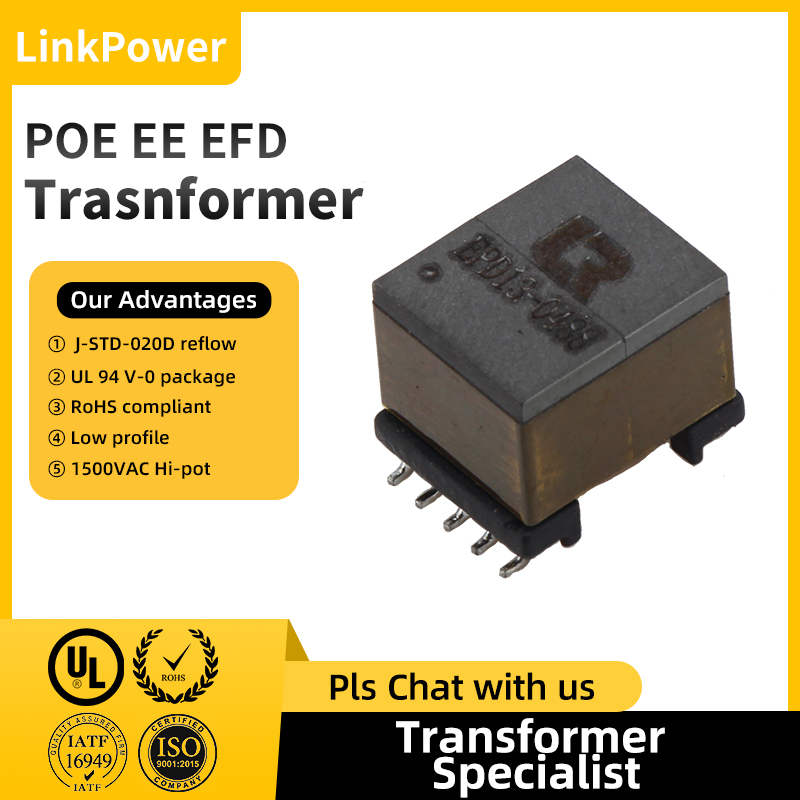
EP transformers, also known as cast epoxy transformers, play a key role in improving the efficiency and reliability of power distribution systems in various industries. These transformers are characterised by their robust construction, with the windings and core encapsulated in epoxy resin to withstand environmental factors and mechanical stresses.
EP transformers are widely used in industrial automation, telecommunications, renewable energy and transport infrastructure where reliability and durability are essential. Epoxy potting provides excellent insulation properties and ensures reliable operation even in harsh environments such as high humidity, temperature variations and mechanical vibrations.
Leading manufacturers such as EpoTech Solutions and PowerGuard Industries specialise in EP transformers that meet stringent performance standards. By utilising advanced materials and manufacturing processes, these companies improve the thermal and electrical performance of transformers, optimising efficiency and minimising energy loss.
In industrial automation, EP transformers play a vital role in powering control systems, machinery and robots. Their robust design ensures stable and reliable power distribution, which is essential for maintaining productivity and minimising downtime in production facilities.
Telecom networks rely on EP transformers to ensure the integrity and reliability of communications equipment and data centres. These transformers provide clean, stable power and protect sensitive electronic components from electrical noise and interference that can disrupt signal transmission and data integrity.
Renewable energy systems, including solar inverters and wind turbines, benefit from EP transformers because of their ability to withstand harsh environmental conditions while efficiently converting and distributing power. The encapsulated design protects the transformer from humidity, dust and temperature fluctuations, ensuring stable performance and a long service life for renewable energy installations.
In transport infrastructure, EP transformers are used in railway systems, electric vehicles (EVs) and charging stations. They contribute to the efficient operation of power converters and distribution systems, supporting the electrification of transport and improving energy efficiency.
In addition, EP transformers are used in commercial buildings to provide reliable power distribution for HVAC systems, lighting controls, and other critical infrastructure.EP transformers are designed to be compact and rugged for space-constrained environments, ensuring reliable operation and safety.
The demand for EP transformers is expected to grow as industries continue to prioritise the efficiency, reliability and sustainability of power distribution systems. These transformers are critical to supporting modern infrastructure and technological advancements, driving innovation and improving operational efficiency across a wide range of industries.
Coil Transformers Increase Versatility and Efficiency in Power Applications
Isolation Transformers Improve Safety and Performance of Modern Electrical Systems
Related Article
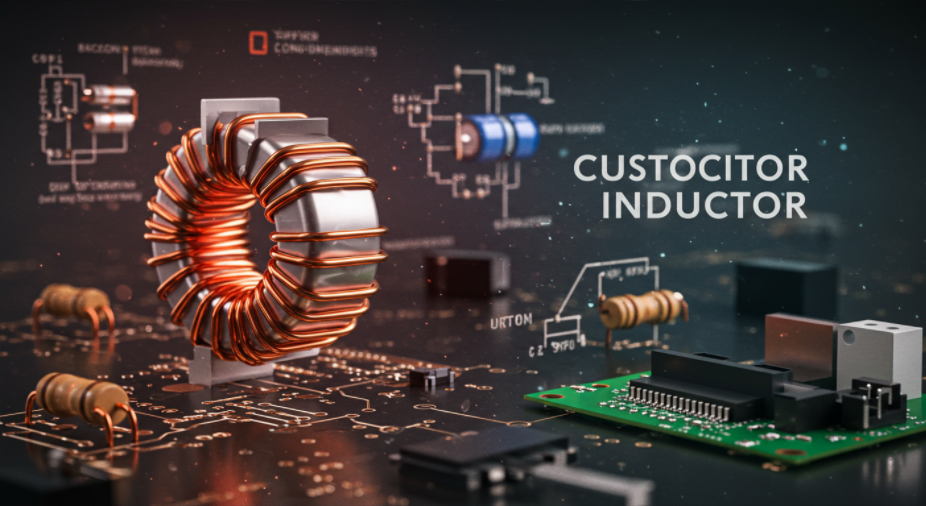
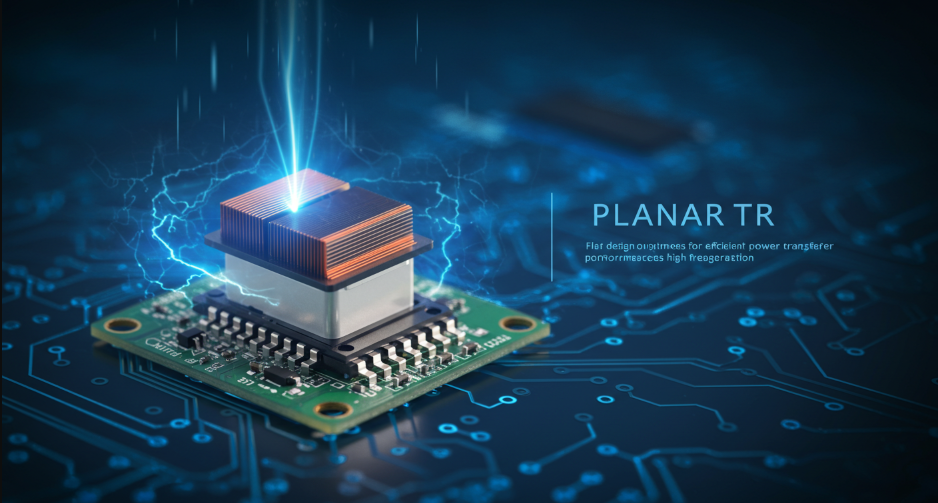
In the design field of high - frequency transformers and inductors, the introduction of an air gap in the magnetic core is a crucial yet delicate technique that requires careful trade - offs. The presence of an air gap not only significantly impacts magnetic properties but also has close relations with thermal stability and efficiency.
Air - Gap Design in High - Frequency Transformers: Trade - offs among Magnetic, Thermal, and Efficiency Aspects